
CRYPTO
MetaMask Card Expands Across 13 Latin American Countries
MetaMask Card now works in 13 more Latin American countries. Utexo data shows crypto card transactions grew 2.7x with no link to Bitcoin’s price.

MetaMask expanded its crypto debit card to 13 new Latin American countries on June 11, 2026, bringing the card’s reach past 50 markets globally. The new list includes Chile, El Salvador, Peru, and Uruguay, and takes a self-custody, wallet-funded Mastercard product into a region where stablecoins already serve as the primary tool for users facing inflation, currency volatility, and cross-border payment needs.
The announcement landed a day before Utexo’s 76-week analysis of 16 crypto card issuers showed that transaction volumes have grown 2.7-fold since January 2025, with median top-ups shrinking from roughly $165 to about $100. The data points to a shift toward routine spending, with users topping up to cover typical purchases rather than parking capital for speculation.
Thirteen New Markets, One Mastercard Network
MetaMask’s June 11 announcement named the 13 newly added countries: Costa Rica, Chile, El Salvador, the Dominican Republic, Honduras, Guatemala, Nicaragua, Guyana, Paraguay, Panama, Peru, Uruguay, and Suriname. The card was already available to users in Argentina, Brazil, Colombia, and Mexico.
- Costa Rica
- Chile
- El Salvador
- Dominican Republic
- Honduras
- Guatemala
- Nicaragua
- Guyana
- Paraguay
- Panama
- Peru
- Uruguay
- Suriname
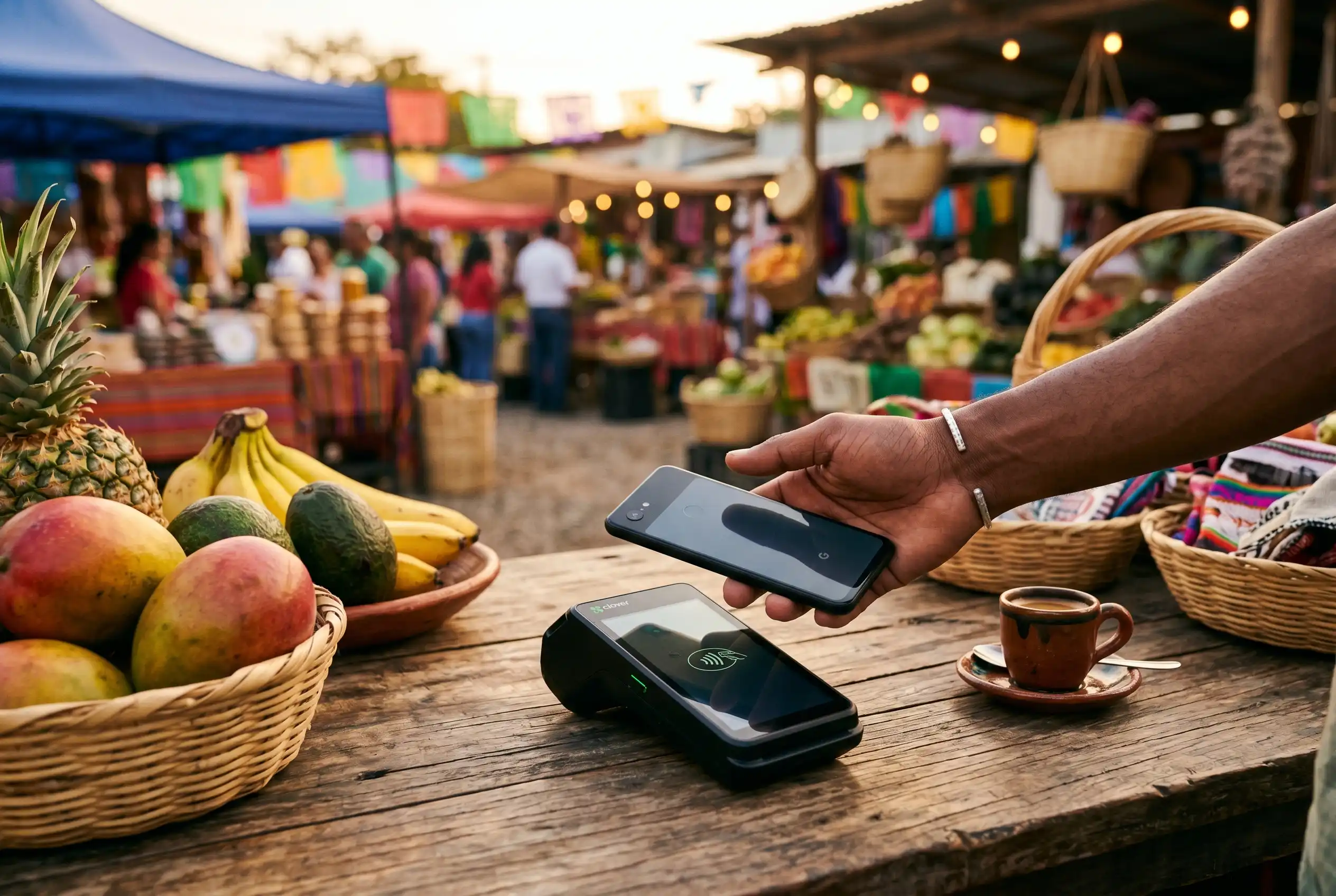
Users in the new markets can apply for the card through the MetaMask app and spend at more than 150 million merchant locations on the Mastercard network, online and in store. The card works with Apple Pay and Google Pay, so most cardholders can begin spending before a physical card arrives. A free virtual card and a $199-per-year Metal tier are both offered.
How the Card Actually Works
The MetaMask Card runs on a self-custody model that is unusual for the category. Most crypto cards require users to pre-load funds into a custodial balance held by the issuer, with a third party controlling the assets until the user spends. MetaMask’s setup keeps the crypto in the user’s own wallet until the point of sale, and a smart contract performs the token-to-fiat conversion at Mastercard’s rates at the moment of payment. No MetaMask fee applies on the conversion.
The card supports 9 tokens at launch: mUSD, amUSD, wETH, EURe, GBPe, USDC, aUSDC, aBasUSDC, and USDT. Settlement runs on the Linea, Monad, Base, or Solana networks. The card is issued by Cross River Bank and operates on infrastructure from Mastercard and Baanx (now Monavate), the crypto payment firm that handles the program.
| Feature | Virtual Card | Metal Card |
|---|---|---|
| Annual fee | Free | $199 per year |
| Cashback | 1% in mUSD on all spending | 3% in mUSD on first $10,000 of annual spend, then 1% |
| Daily spending limit | $15,000 | $30,000 |
| ATM withdrawal | Up to $1,000 per day | Up to $5,000 per day, no MetaMask fee |
The Data Behind the Push
The Utexo analysis, published June 12 by the firm’s head of research, Alex Oblakevich, covered 76 weeks of transactions across 16 crypto card issuers, including RedotPay, Cypher, EtherFi Cash, and GnosisPay, from January 2025 to June 2026. Three findings stood out.
First, transaction counts grew 2.7-fold across the sample, with no correlation to Bitcoin’s price; people spent crypto during both bull and bear markets. Second, median top-ups shrank from a winter peak of about $165 to about $100, with the typical range settling between $90 and $135. Cardholders stopped parking large balances on the card and began topping up frequently to cover specific purchases. Third, the ratio of the average top-up to the median fell from about 6 to about 4, a sign that whale users were losing influence and the user base was distributing more evenly.
The product is moving from the early-adopter phase into the mainstream.
That shift, from speculative tool to payment utility, is what Oblakevich’s analysis pointed to. He framed the conclusion plainly: crypto cards have become infrastructure for daily and instant spending. The supporting data came from a 76-week sweep of card transaction logs across the 16 issuers, not a single card or a single market.
- 2.7x: increase in crypto card transactions across 16 issuers, January 2025 to June 2026
- $100: median top-up as of mid-2026, down from a winter peak of about $165
- 4: ratio of average to median top-up, down from about 6, signalling a more even user base
- 0: correlation between transaction growth and Bitcoin’s price
Why Latin America, Why Now
The region has become one of the more active crypto card fronts this year, in part because of structural demand. CriptoNoticias reported that Latin America accumulated around $1.5 trillion in crypto transaction volume between July 2022 and June 2025, with stablecoins serving as the primary tool for users navigating inflation, currency volatility, and cross-border payment needs. A self-custody card that converts at the point of sale fits that pattern: users keep control of their assets while accessing Mastercard’s merchant network.
MetaMask is also stepping into a competitive field. Binance Card, Lemon Cash, Ripio Card, and ByBit Card all operate in the region, mostly routed through custodial exchange balances. MetaMask’s pitch is the self-custody model itself, control of the underlying assets until the moment of purchase, which lines up with the way many Latam users already hold stablecoins in their own wallets. The competitive angle is not price or cashback; it is who holds the funds between top-up and swipe.
A Self-Custody Card With a KYC Step
The card’s design carries one tension. Setting up a MetaMask Card requires identity verification through a process handled by Crypto Life, the third party that processes KYC data under its own privacy policy. The requirement is non-negotiable; Mastercard’s network rules and anti-money-laundering regulations do not allow anonymous card issuance, and the KYC step has drawn criticism from parts of the MetaMask community that built the brand on self-custody and the absence of identity checks.
MetaMask has said it doesn’t have access to the personal data users provide to Crypto Life and that the information isn’t sold. The KYC step is the price of putting a non-custodial card on a regulated payments rail, and it is the reason the card can settle in fiat at any Mastercard merchant without the user pre-loading a custodial balance. The trade-off, control of the assets versus a verified identity at sign-up, is the same one competing cards make; MetaMask’s twist is keeping the assets in the user’s wallet until the swipe.
Gal Eldar, Product Lead at MetaMask, framed the goal in the company’s February 2026 US launch announcement: the card is designed to “make crypto disappear” and become “so seamlessly woven into daily life that the line between onchain and offchain fades away entirely.”
Frequently Asked Questions
Which countries did MetaMask add?
Costa Rica, Chile, El Salvador, the Dominican Republic, Honduras, Guatemala, Nicaragua, Guyana, Paraguay, Panama, Peru, Uruguay, and Suriname, per MetaMask’s June 11 announcement. The card was already available in Argentina, Brazil, Colombia, and Mexico.
How much does the MetaMask Card cost?
The virtual card is free, with 1% cashback in mUSD on every purchase. The Metal card costs $199 per year, with 3% cashback on the first $10,000 of annual spending and 1% after that.
What tokens does the card support?
Nine tokens at launch: mUSD, amUSD, wETH, EURe, GBPe, USDC, aUSDC, aBasUSDC, and USDT. The card settles on the Linea, Monad, Base, or Solana networks.
Does MetaMask have access to my funds or personal data?
MetaMask Card is self-custodial, so the company does not hold your crypto; the assets stay in your MetaMask wallet until the point of sale. MetaMask has said it doesn’t have access to the personal data users provide to Crypto Life, the third party that handles KYC.
Why are crypto card transactions growing without a Bitcoin rally?
According to Utexo’s 76-week analysis of 16 issuers, transaction counts grew 2.7-fold from January 2025 to June 2026, with no correlation to BTC’s price. Users are topping up for routine purchases, not parking capital for speculation.
Disclaimer: This article is for informational purposes only and is not financial advice. Card features, fees, and availability change frequently; confirm the latest terms directly with MetaMask before signing up. Figures and dates are accurate as of publication.


Tomb Raider: Legacy of Atlantis First Hands-On Leans Into Whimsy

Zee5 to Stream Every 2026 FIFA World Cup Match in India

How to Enable the One UI 9 Network Speed Indicator on Your Galaxy

VICI Stock’s $28.52 Price and the $17.6B Caesars Take-Private Deal

HYPE Genesis Whale Sends 576,148 Tokens to Coinbase

This 2026 AI Travel Gadgets List Still Suggests a Dead Product

How Provably Fair Technology Runs the Aviator Crash Game

Abridge Secures Eli Lilly Investment, Expands Beyond AI Scribe

UMass Lowell Grad Built an AI Course Advisor and Landed at Nvidia

IDC: iPhone Fold Will Take a Third of Foldable Value in Year One

Andreessen Horowitz Bets $2.2B on Crypto’s Quiet Cycle

Cathie Wood Calls SpaceX IPO Demand ‘Voracious’ Ahead Of $1.75T Debut

VinRobotics’ VR-H3 Debuts at Vienna, VinFast Is Next

Anthropic Hits $965 Billion Valuation, Edges Past OpenAI

Apple Strikes Preliminary Deal For Intel To Make iPhone And Mac Chips

Ghana CSA Plants Office In Ho As Volta Cybercrime Climbs

Trump’s AI Memo Strips Vendors of Veto Power Over Military

Google’s Buried Page Reveals 500 Niche Websites Still Making Cash

Hormuud Bets $19 Down Will Finally Pull Somalia Online

The $6.3 Billion Business of Media Monitoring, Explained
-
 CRYPTO1 month ago
Andreessen Horowitz Bets $2.2B on Crypto’s Quiet Cycle
-
 CRYPTO1 month ago
Cathie Wood Calls SpaceX IPO Demand ‘Voracious’ Ahead Of $1.75T Debut
-
 AI1 week ago
VinRobotics’ VR-H3 Debuts at Vienna, VinFast Is Next
-
 AI2 weeks ago
Anthropic Hits $965 Billion Valuation, Edges Past OpenAI
-
 NEWS1 month ago
Apple Strikes Preliminary Deal For Intel To Make iPhone And Mac Chips
-
 NEWS1 month ago
Ghana CSA Plants Office In Ho As Volta Cybercrime Climbs
-
 AI1 week ago
Trump’s AI Memo Strips Vendors of Veto Power Over Military
-
APPS1 month ago
Google’s Buried Page Reveals 500 Niche Websites Still Making Cash