
Connect with us

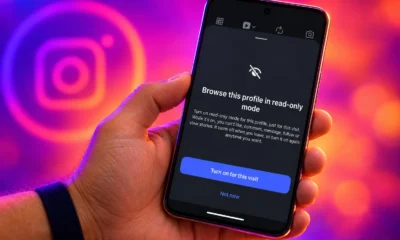

Instagram Plus strings point to a read-only profile lock that blocks likes and Stories, after the paid tier already sold quieter Story previews.


Sam Altman still splits with Anthropic on residual AI harm, after OpenAI notified over 100 organizations and backed outside lab reviewers.


Google paused OSS VRP product reports after invalid AI submissions, leaving real Go and Angular bugs without a paid private path until Q1.


Mastercard is scoring AI-started payments while merchants still see agents in 3% of checkouts, because permission and catalogs, not wallets.

Turkey crypto custody permits went to three banks, while most exchanges still sit on an SPK list that is not a license.

Formula-trained personal statements now mimic chatbots, so colleges treat AI as fraud while dropping essay scores and leaving most applicants without a clear rule.


Electricians and school boards are cashing the AI boom's checks, while the rest of U.S. growth barely moves without data-center spend.


ConnX will run Intel Core Ultra Series 3 inside MaestroIQ so operators can act on live site data, with joint proofs due to start in 90...
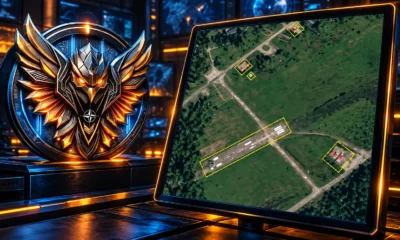

Maven helped strike 13,000 Iran targets in 38 days, then the Pentagon blacklisted Anthropic for keeping safety limits on Claude.
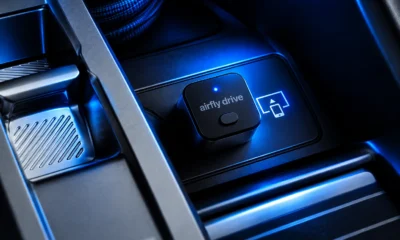

Twelve South's $39.99 AirFly Drive turns factory wired CarPlay wireless, a branded cube for cars Apple and automakers never upgraded.


