
NEWS
Pakistan Cuts Mobile Phone Import Duty by 20%, Effective July 1
Pakistan cut regulatory duty on imported phones by 20% from July 1, 2026. FBR chairman says relief mostly hits high-end flagship imports, with Rs 14,000 off.

Pakistan’s federal government cut the regulatory duty on imported mobile phones by 20 percent from July 1, 2026, a change the Federal Board of Revenue (FBR) framed as consumer relief under the 2026-27 budget. FBR Chairman Rashid Mahmood Langrial told the National Assembly Standing Committee on Finance that the cut is part of the broader tariff rationalization policy, with expected savings of Rs. 14,000 per high-end imported device. The reform sits inside a five-layer tax stack that, before the amendments, could push the combined burden on a phone’s base price to roughly 63 percent, National Assembly member Qasim Gilani said. Per Langrial’s own data, only 5 percent of phones in use in Pakistan are imported; the local share is 95 percent.
The reach of that cut is narrow once you look at the actual device base. The legal import segment that does benefit grew fast over the past year, but it still accounts for the minority of phones. The mass-market price story in Pakistan runs through local assembly, and customs-side duties cover a small slice of phones in use.
What Pakistan Just Did to Imported Phone Prices
The federal government’s decision reduces the regulatory duty on imported mobile phones by 20 percent, with the change implemented from July 1, 2026. The FBR’s official implementation notice confirms the cut was approved as part of the budget for the financial year 2026-27 and applies across the imported smartphone range. The reform covers all imported smartphones, including the entry segment, the mid-range band, and the high-end flagship tier. The aim, per the FBR, is consumer relief, encouragement of legal imports, and a more balanced tax-and-duty system.
FBR Chairman Langrial told the committee the relief at the high end works out to roughly Rs. 14,000 per device. Market participants told Pakistani outlets they expect the cut to flow into retail prices within days if importers pass it on. Gilani called the package an important step in the right direction, while flagging that he wanted more from the budget’s treatment of phones. The relief is part of the FBR’s broader tariff rationalization push for the 2026-27 budget. Lawmakers from the National Assembly and Senate finance committees pushed for these changes through Finance Bill 2026 amendments.
While the measures are not entirely satisfactory, they represent an important step in the right direction.
National Assembly member Qasim Gilani announced the duty change on social media and called the relief positive for connectivity and access to technology. Gilani said the Parliamentary Finance Committee had recommended in March that phones be treated as a basic necessity, a position the original budget did not adopt. Lawmakers challenged the 25 percent luxury GST and other import barriers through amendments to the Finance Bill; the FBR accepted several of those proposals.
How Pakistan Taxes an Imported Phone, Layer by Layer
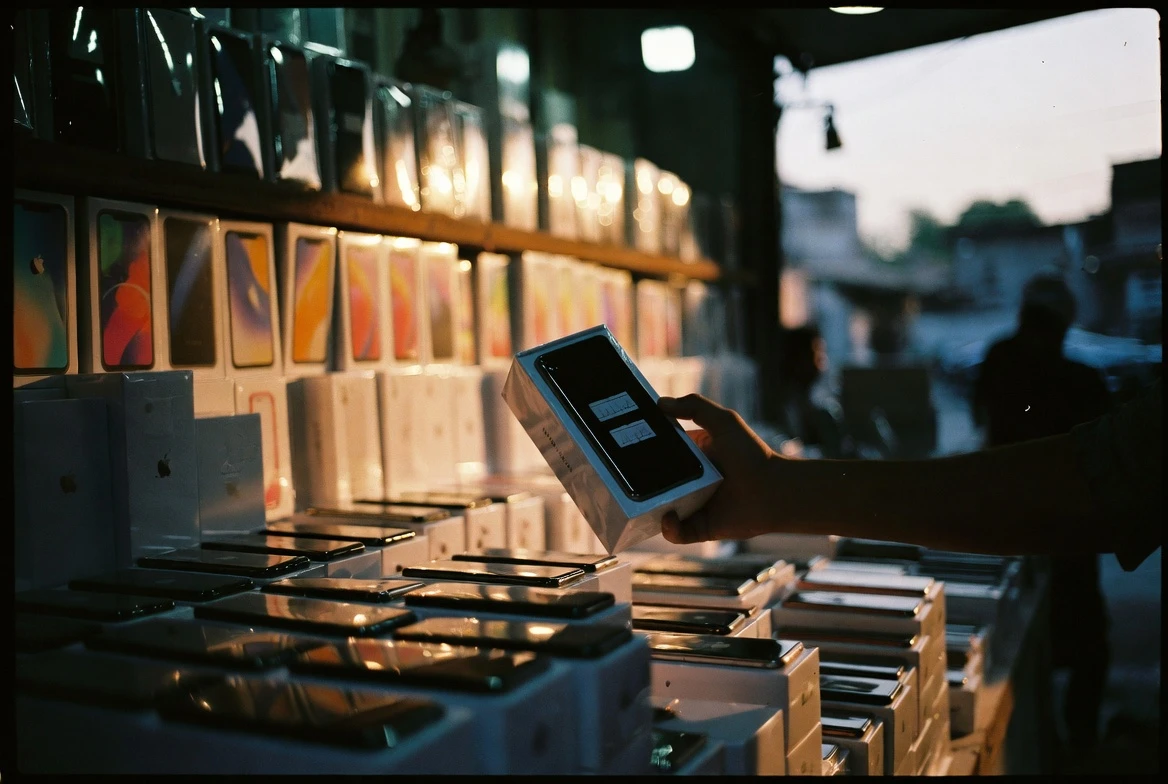
The 20 percent cut targets one slice of a tax stack that already carries five levies on the same device. The FBR’s published outline lists the five taxes that imported phones carry on top of the base price. The full stack applies before any retailer markup, which is why legal imports are sold in Pakistani shops at prices far above the factory list. The combined pre-amendment tax burden could reach about 63 percent of a phone’s base price, Gilani told the committee.
- Regulatory duty
- Customs duty
- Sales tax
- Income tax
- PTA registration fee
For a PKR 200,000 device, the total tax stack could hit around PKR 106,000 in that scenario. The 20 percent regulatory-duty cut, applied to all imported smartphones, is the FBR’s main concession in the Finance Act 2026-27. Phones above $500 still carry the 25 percent luxury GST alongside the cut.
The table below shows the expected price reduction by phone band after the cut. Actual savings depend on brand, model, and the other duties that remain in place.
| Mobile Phone Price (PKR) | Expected Price Reduction (PKR) |
|---|---|
| 50,000 | 4,000 to 6,000 |
| 100,000 | 8,000 to 10,000 |
| 150,000 | 10,000 to 12,000 |
| 200,000 | 12,000 to 14,000 |
| 300,000 | 15,000 to 20,000 |
| 400,000 | 20,000 to 25,000 |
| 500,000 and above | 25,000 to 35,000 |
Flagship smartphones priced above $500 still face the 25 percent luxury GST, in addition to the cut. The headline Rs. 14,000 relief is the floor for a top-end flagship; the luxury GST layer remains on top of that. FBR also approved a separate amendment for the mid-range $200 to $300 band, which dominates Pakistan’s smartphone sales. Officials said the mid-range concession has a revenue impact of about Rs. 1 billion.
The Rs. 14,000 Win at the Top of the Market
The biggest savings sit at the very top of the import range. FBR Chairman Langrial’s parliamentary briefing put the relief at roughly Rs. 14,000 per high-end imported phone. Coverage of the same committee session puts the expected reduction in a Rs. 10,000 to Rs. 14,000 band depending on the model.
Langrial framed the relief as part of the broader tariff rationalization policy under the Finance Act 2026-27. He said the existing tax structure on imported phones remains progressive, equitable, and revenue-buoyant over a realistic horizon. The committee did not recommend any restructuring of the rate bands. Flagship buyers see the largest absolute savings on the price tag, since the 20 percent cut on a premium phone yields the biggest rupee number.
Smartphones above the $500 mark generate the bulk of import-stage tax revenue in Pakistan. The FBR’s own import data puts flagships at roughly 16 percent of imported units but 58 percent of the tax take. Cutting regulatory duty on this segment directly affects the FBR’s biggest single revenue stream from imported phones.
The reduction applies across the imported smartphone range, covering mid-range and entry-level devices alongside flagships. Per Langrial, the bulk of relief from a top-end cut would land with buyers who could already afford a flagship. The committee’s stated worry was that across-the-board cuts at the top would transfer tax revenue to affluent buyers while doing little for mass-market consumers. The FBR chairman therefore recommended confining any relief to the $31 to $200 entry segment instead. Lawmakers and the FBR settled on a middle path: cut 20 percent across the imported range and add a separate mid-range concession for the $200 to $300 band.
For Pakistan’s flagship-buyer segment, the practical effect is a roughly Rs. 10,000 to Rs. 14,000 drop per device at the importer level. The FBR’s implementation notice adds that mobile markets across the country may see a significant reduction in prices in the next few days if importers pass the duty benefit on to consumers. Market sources said the actual savings will depend on whether fresh consignments are imported under the new duty. The committee’s package leaves the existing component-stage concessions on locally assembled phones untouched.
Why This 20 Percent Cut Touches Just 5 Percent of Phones in Pakistan
FBR data shows around 95 percent of the phones in use in Pakistan are locally assembled, with only 5 percent imported. The 20 percent regulatory-duty cut, on its own, targets a narrow slice of the actual device base. Local assembly sets the price most Pakistanis pay for a phone.
The local share is the FBR’s stated driver of affordable access for the young population. Component-stage concessions under Pakistan’s CKD/SKD regime are the route the chairman pointed to for lower mass-market prices. The 2026-27 budget preserves those component-level concessions unchanged. Cutting regulatory duty at the import stage does not touch the local-assembly supply chain that produces most phones sold in Pakistan.
What imports there are, however, are growing fast. The FBR’s latest import data puts the year-on-year increase in imported units at 61 percent, from 0.64 million to 1.04 million. Import value more than doubled, up 137 percent. Duty and tax collection from imported phones climbed 136 percent to Rs. 36.9 billion. Flagships priced above $500 contributed Rs. 21.6 billion of that total. The growth came mainly from higher-value smartphones; the only declining segment was sub-$30 feature phones.
- Imported phone units: +61% YoY (0.64M to 1.04M)
- Import value: +137% YoY
- Duty and tax collection from imports: +136% to Rs. 36.9 billion
- Flagships ($500+): 16% of imported units
- Flagships ($500+) tax contribution: 58% of revenue (Rs. 21.6 billion)
Imported phones matter more for government revenue than for unit share. The Rs. 36.9 billion collected at import stage in the latest year is a significant line item for the FBR. Cutting regulatory duty by 20 percent at the top end eats directly into that stream.
The Trade-Off FBR’s Own Chairman Spelled Out
The FBR chairman was unusually direct about the distributional problem. At the briefing to the National Assembly Standing Committee on Finance, he said reducing import duties on premium phones would mainly benefit high-income consumers while causing a significant loss of government revenue. He rejected across-the-board or top-tier duty cuts as a regressive and costly transfer. The committee’s preferred alternative was a relief package confined to the $31 to $200 entry segment.
In the end, the Finance Act 2026-27 cut regulatory duty by 20 percent across all imported smartphones, including the bottom band. The committee session’s tax breakdown adds that the FBR also approved a separate amendment for the mid-range $200 to $300 segment, which includes some of the best-selling devices in Pakistan. Officials told Pakistani media the mid-range concession has a revenue impact of about Rs. 1 billion.
Phones in the $200 to $300 mid-range band get a separate amendment; the FBR chairman’s recommended entry-level relief targets the $31 to $200 segment. Flagship imports above $500 keep the 25 percent luxury GST alongside the 20 percent duty cut. Entry and mid-range imports get the broader relief across more devices. The top end saves more per device but keeps the luxury GST. For Pakistan’s roughly 5 percent import share, the FBR’s package delivers a 20 percent regulatory-duty cut across the board, a separate mid-range amendment, and the 25 percent luxury GST still attached to flagships.
Frequently Asked Questions
When does the 20% regulatory duty cut take effect?
The cut took effect on July 1, 2026. The FBR says the reduction was approved as part of the 2026-27 budget and is now operational across all imported smartphones.
How much will I save on an imported phone?
The FBR chairman’s briefing puts the relief at around Rs. 14,000 per high-end imported phone. The FBR’s implementation notice lists expected price drops from Rs. 4,000 on a PKR 50,000 device to Rs. 25,000 to Rs. 35,000 on a PKR 500,000+ device.
Does the cut apply to locally assembled phones sold in Pakistan?
No. The 20% cut is on regulatory duty on imported phones only. Around 95% of phones in use in Pakistan are locally assembled, per the FBR chairman’s parliamentary briefing.
What other taxes still apply to imported phones?
Imported phones carry customs duty, sales tax, income tax, and PTA registration fees alongside the now-cut regulatory duty. Flagships priced above $500 also face a 25% luxury GST that the 2026-27 budget did not remove.
What did the FBR chairman actually recommend?
FBR Chairman Rashid Mahmood Langrial told the committee he preferred the relief to be confined to the $31 to $200 entry segment. He argued that wider relief would amount to a regressive transfer to affluent buyers.


LexisNexis and Promon Pair Up to Catch Mobile Fraud Inside the App

Five Channel Islands Experts on Why Technology Alone Falls Short

Gartner Warns $234 Billion in SaaS Spend Faces Agentic AI Reshuffle

Logitech G Becomes Modern Warfare 4’s Official PC Peripheral Partner

Sony PlayStation Handheld Rumors Reignite After Nishino Q&A

Huawei’s Standard Mate 80 Tops H1 2026 Sales, Pro Max Trails

SMS Authentication Is Failing Australian Mortgage Brokers

WiseTech’s 32-Year Data Trove Is Now Its Logistics AI Edge

Samsung Unpacked July 22 Confirmed by Members App Voucher Leak

A $6.99 Manga Subscription Just Pooled 10-Plus Publishers

Google Search Profiles Build a Follow Graph Inside Discover

Microsoft Xbox Layoffs Start in July as Sharma Slams 3% Margin

Google DeepMind and A24 Sign $75 Million AI Partnership Deal

Apple Strikes Preliminary Deal For Intel To Make iPhone And Mac Chips

DGO App Brings Rs 549 Mobile Pass for FIFA World Cup 2026 in Nepal

Anthropic Tells Senators Alibaba Ran the Largest Claude Distillation Attack

Andreessen Horowitz Bets $2.2B on Crypto’s Quiet Cycle

VinRobotics’ VR-H3 Debuts at Vienna, VinFast Is Next

Oracle Cuts 21,000 Jobs in a Year, Cites AI in 10-K Filing

Oppo’s ColorOS 17 Eligibility List Leaves A-Series Buyers Behind
-
 NEWS4 weeks ago
Google Search Profiles Build a Follow Graph Inside Discover
-
 GAMING3 weeks ago
Microsoft Xbox Layoffs Start in July as Sharma Slams 3% Margin
-
 AI1 week ago
Google DeepMind and A24 Sign $75 Million AI Partnership Deal
-
 NEWS2 months ago
Apple Strikes Preliminary Deal For Intel To Make iPhone And Mac Chips
-
 APPS3 weeks ago
DGO App Brings Rs 549 Mobile Pass for FIFA World Cup 2026 in Nepal
-
 AI1 week ago
Anthropic Tells Senators Alibaba Ran the Largest Claude Distillation Attack
-
 CRYPTO2 months ago
Andreessen Horowitz Bets $2.2B on Crypto’s Quiet Cycle
-
 AI4 weeks ago
VinRobotics’ VR-H3 Debuts at Vienna, VinFast Is Next