
NEWS
Meta Paid $18 Billion to Export Its Teen Time Caps
Meta ended the Oakland child safety trial with an $18 billion teen-limits deal that only tightens if TikTok and YouTube join.

Meta cut short its Oakland child-safety trial on August 26 with a deal it priced at about $18 billion. Four states had spent eight days putting Instagram and Facebook’s teen design on a federal record. Mark Zuckerberg never took the stand.
The company had told the court the states’ penalty math could reach $1.4 trillion. The check that ended the case is a small slice of that ceiling, and the strictest new time caps only land if TikTok and YouTube copy them.
Eight Days in Oakland, Then a Check
Jury selection started August 12 before U.S. District Judge Yvonne Gonzalez Rogers in Oakland. Opening statements and evidence began August 18, with California, Colorado, Kentucky, and New Jersey trying consumer claims as the first wave of a 29-state suit filed in 2023.
The broader filing also pressed Children’s Online Privacy Protection Act claims over data taken from children under 13 without parental consent. Gonzalez Rogers had already ruled that Section 230 blocked many “addictive design” theories, while failure-to-warn claims and the child-privacy counts could go forward. An advisory jury sat in the box. The judge kept the last word.
THE OAKLAND CLOCK
- August 12, 2026: Jury selection begins in Courtroom 1 of the Oakland federal courthouse.
- August 18, 2026: Openings start. Former safety engineer Arturo Bejar, once a Facebook engineering director and later an Instagram wellbeing consultant, is the states’ first witness.
- August 25, 2026: Instagram head Adam Mosseri testifies that the app’s Take a Break prompts “helped, but not nearly as much as we hoped.”
- August 26, 2026: Meta and a bipartisan group of 52 attorneys general across states, territories, and the District of Columbia announce a deal that ends the trial.
- August 27, 2026: Meta updates its newsroom post to say the judge has approved the agreement.
Internal exhibits that week included a 2016 note that Instagram’s company goal was “teen time spent,” and a message calling Instagram “a drug.” In a deposition already in the MDL record, Zuckerberg answered “Yes” when asked whether Meta knew “problematic use is a real issue for a meaningful portion of its users.”
Colorado counsel put Mosseri through the Take a Break numbers. Internal figures showed 1.8 percent of teens used the tool at first, even as a 2021 company post talked about high enablement rates. The prompt did not become a teen default until late 2024, after the states had sued. That was the last full day of testimony.
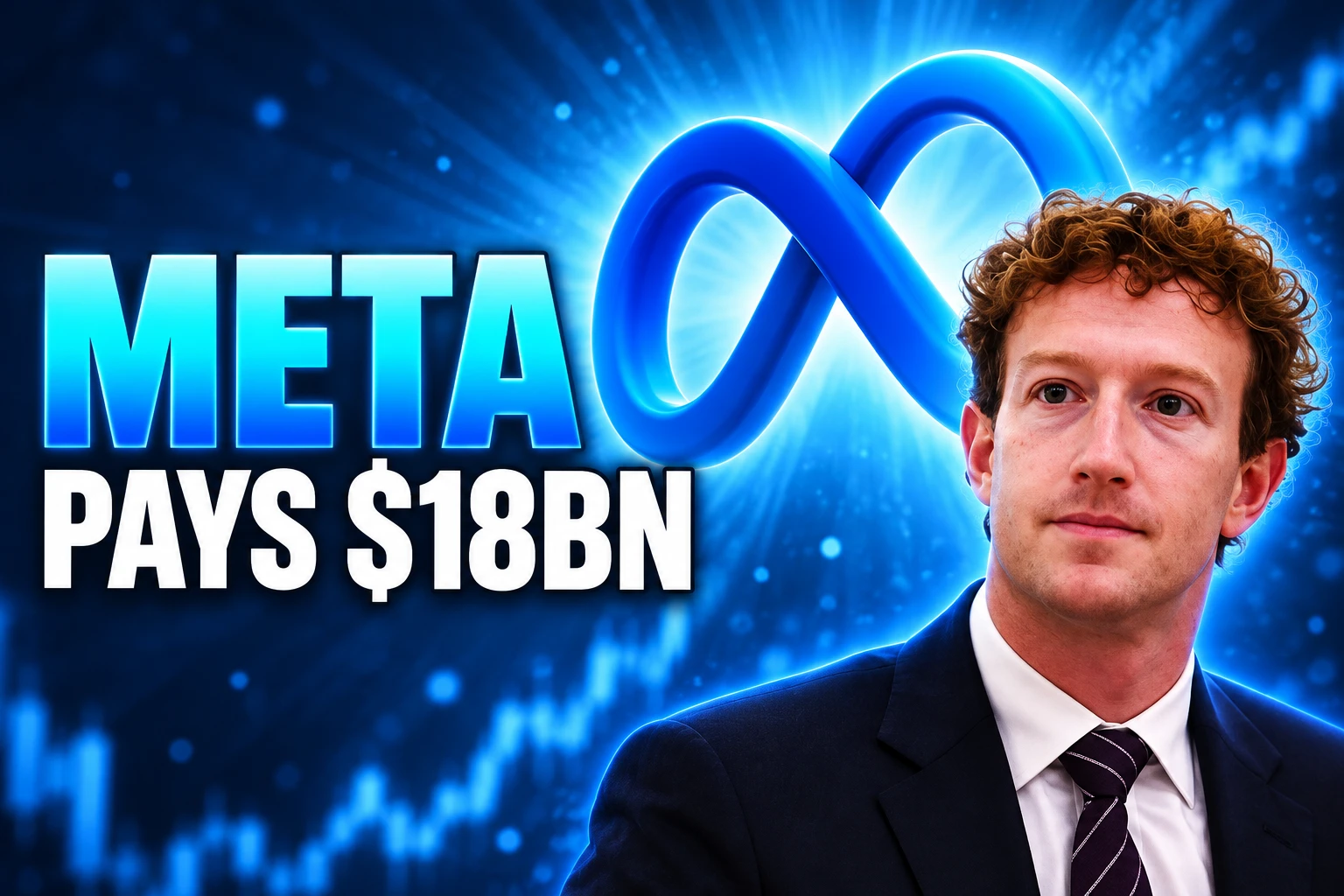
The $1.4 Trillion Figure Was Meta’s Own Ceiling
The trillion-dollar number that followed this case around did not come from a public state demand letter. In a July filing, Meta priced the four trial states’ per-violation penalty method at $1.4 trillion, close to its market value of about $1.5 trillion at the time, and called a sanction of that size without analog in consumer-protection enforcement.
The states’ own remedy papers were sealed. At a June hearing they described the usual statutory move: multiply a per-violation fine by the estimated number of young users. Meta said that math counted the same teenagers more than once and ignored due process limits. In the same filing it pointed to the tobacco Master Settlement Agreement’s $206 billion as the scale of a true industry reckoning.
On August 26 the company announced an approximately $18 billion payment over 10 years. About $12.7 billion, or 70 percent, goes to participating states in yearly installments. The other 30 percent, about $5.3 billion, is held back unless YouTube and TikTok put in a one-hour daily limit, night mode, and age checks, and each pay a matching sum. Meta did not admit wrongdoing.
California Attorney General Rob Bonta’s office described a coalition payment of up to $17 billion over 10 years, with the state’s share $1.5 billion to $2.1 billion if the court entered the judgment. Washington Attorney General Nick Brown said his state is in for $237 million guaranteed and up to nearly $339 million over 10 years.
THE CHECKS ON THE TABLE
| Bill | Amount | Who put it on the record |
|---|---|---|
| Meta’s theoretical penalty ceiling | $1.4 trillion | Meta, July court filing |
| Meta’s announced package | about $18 billion over 10 years | Meta newsroom, August 26 |
| Guaranteed slice to states | about $12.7 billion | Meta (70 percent) |
| Held back unless rivals match | about $5.3 billion | Meta (30 percent) |
| California’s share of the coalition fund | $1.5 billion to $2.1 billion | California attorney general |
| New Mexico final judgment (separate case) | $942 million | First Judicial District Court |
| Prior U.S. privacy record against Facebook | $5 billion | FTC order, July 24, 2019 |
That $18 billion is still a large civil check. It is also the price of leaving a courtroom where the ad engine that sells teen time was about to be walked through, document by document, with the company’s CEO on the witness list.
What Teens Get on Instagram After the Deal
Bonta said the product terms were the point of the case, not a later round of talks. “We are talking about time limits, stopping notifications during school, a block on the app during critical overnight hours, bans on plastic surgery filters, and so much more,” he said.
Today, we have secured a settlement with Meta that will make social media less dangerous for our kids and make a world of a difference for children and their families.
Rob Bonta, California Attorney General, August 26, 2026 statement
The defaults apply to users under 18 in participating states and territories. Parents can lift several of them. They sit on top of Teen Accounts Meta has been rolling out since 2024, and they turn optional tools into court-backed settings.
THE DEFAULTS FOR USERS UNDER 18
- Daily clock: A combined two-hour cap across Instagram and Facebook that a parent must unlock, with extra accounts counted toward the same total.
- Forced pauses: Breaks after 15 minutes of continuous use, then again at 60 and 90 minutes, meant to interrupt infinite scroll.
- Night block: Apps closed from midnight to 6 a.m. unless a parent overrides; the window expands to 10 p.m. through 7 a.m. if other platforms join similar terms.
- School mute: Notifications off from 8 a.m. to 3 p.m. between August 15 and June 15, and overnight from 10 p.m. to 7 a.m.
- Hidden scoreboard: No visible like or reaction counts, and a ban on cosmetic-procedure image filters.
- Feed choice: A non-personalized feed option, plus a parent control to make that the default, and a control to turn autoplay off.
- Age checks: Stronger tools to find under-13 accounts and to place 13-to-17 users in teen settings even if they typed an adult birthday.
- Report clock: Meta must answer 90 percent of teen reports of potentially harmful content within six hours.
Direct messages are carved out of the time limit, night mode, and school-mode rules, Meta said, so teens can still message friends and family when the feed is dark. An independent auditor will have access to information and a line to the attorneys general. Meta is also barred from further false or misleading statements about its safety features.
Washington’s office said the two-hour cap lasts five years unless Snapchat, TikTok, and YouTube take comparable terms, in which case each platform’s daily limit drops to 60 minutes for 10 years. Meta said the majority of the terms are required to remain in place for 10 years. If other platforms agree, California’s papers say the daily cap falls from two hours to one.
TikTok and YouTube Hold the One-Hour Switch
The deal’s leftover $5.3 billion is not a bonus for good behavior at Meta. It pays out only after YouTube and TikTok install a one-hour daily limit, night mode, and age-assurance measures, and after each company pays a matching amount. Half of that leftover pool is tied to YouTube’s check, half to TikTok’s.
The same day as the settlement, Meta published an open letter to TikTok and YouTube asking them to adopt the same teen limits. “When teens are restricted on one app, they simply move to another,” the company wrote. Chief Legal Officer C.J. Mahoney said the framework’s success depends on peers following Meta’s lead.
That is the bind the states handed the rest of the industry. Instagram can default a teenager to two hours, then watch the leftover evening disappear into a rival that has no clock. Meta needs the copycats for the safety claim to stand up, and it needs them so it does not ration teen hours alone. The one-hour version of the cap is not in Menlo Park’s hands.
Zuckerberg has since made the same point in public, arguing that a unilateral Instagram limit just shifts use unless YouTube and TikTok sign on. For now those companies are not parties to the Oakland judgment. They become the next enforcement targets the moment attorneys general treat Meta’s terms as the industry floor.
Why Florida Refused the Multistate Check
Florida Attorney General James Uthmeier would not join. New Mexico is also outside the deal, for a different reason: it had already tried its own case and won. Uthmeier called the national payout a weak payoff and said Florida would see Meta at trial in its existing federal case.
The payouts are peanuts compared to the profound harms Meta’s profit-driven addictive features inflicted on kids, and a slap on the wrist for a trillion-dollar corp that’ll pay more to lawyers than to the states.
James Uthmeier, Florida Attorney General, August 26, 2026 statement
The next day, speaking in The Villages, he set the $18 billion next to a company worth about $1.5 trillion and called it a rounding error, weeks of revenue. He compared the package with the tobacco Master Settlement Agreement’s $206 billion and noted that Florida’s population is many times New Mexico’s. If Meta treats the bill as an insult, he said, it will have to fight in a Florida courtroom.
School-district and personal-injury cases were never in this settlement. Gonzalez Rogers still oversees the federal multidistrict docket that gathered nearly 3,000 claims against Meta, TikTok, Snap, and YouTube. The Oakland trial was the first of those attorney-general cases to reach a jury. It did not finish one.
$942 Million Stayed Outside the Deal
New Mexico did finish. On August 6, the First Judicial District Court in Santa Fe entered a $942 million New Mexico judgment after a two-phase trial before Judge Bryan Biedscheid. Attorney General Raúl Torrez’s office said a March jury found 75,000 violations of the state’s Unfair Practices Act and imposed a $375 million civil penalty, the maximum. The court then found a public nuisance and ordered $567 million into a five-year youth mental-health fund.
WHAT SANTA FE ALREADY ORDERED
- The money: $375 million in civil penalties plus $567 million for abatement, totaling $942 million.
- The finding: Meta’s platforms are a public nuisance in New Mexico, and Section 230 did not bar the product claims the state tried.
- The controls: Time-use limits for users under 18, overnight notification blackouts, default privacy including hidden like counts, and a ban on romantic or sexualized chatbot use by New Mexico minors.
- The watch: Five years of court-supervised reforms and public compliance reports every June 30 and December 31.
“Meta built products it knew would fuel addiction, deepen a youth mental health crisis, and expose children to sexual exploitation, then lied to parents and policymakers about the danger,” Torrez said. “Today, it pays for that choice.” Meta said it would appeal and that it remains confident in its teen-safety record.
The last time U.S. enforcers wrote a headline privacy number against this company, the Federal Trade Commission’s $5 billion privacy penalty in 2019 was sold as the largest of its kind. The Oakland package is several times that check and still a fraction of the $1.4 trillion ceiling Meta put in the record to show how wild the states’ formula looked. Florida still wants a trial. New Mexico already has a judgment. Everyone else took the two-hour default, and the one-hour version waits on TikTok.
Frequently Asked Questions
Can a parent turn off the two-hour Instagram and Facebook limit?
Yes. The two-hour cap is a default for users under 18, and a parent can lift it. Time on both apps counts toward one total, including extra accounts Meta detects, but direct messages do not count against the clock, and messaging still works during night mode and school hours.
How long do the new teen rules on Instagram and Facebook last?
Meta said the majority of the terms must stay in place for 10 years. Washington’s attorney general described the combined two-hour cap as a five-year term that drops to 60 minutes per platform for 10 years if Snapchat, TikTok, and YouTube adopt comparable rules. An independent auditor watches compliance, with a line to the settling states.
What is COPPA, and how did it figure in this case?
The Children’s Online Privacy Protection Act is the federal rule that bars collecting personal data from children under 13 without verifiable parental consent. The 2023 multistate complaint included COPPA counts alongside state consumer-protection claims about compulsive-use features and alleged misstatements on safety, which is why under-13 removal and age-assurance duties sit in the judgment next to the teen time cap.
Why is New Mexico not in the Meta settlement?
New Mexico tried its own case in Santa Fe and already holds a final $942 million judgment, so it did not need the Oakland deal. That order also runs for five years, funds a statewide youth mental-health plan (with $420 million of the $567 million abatement award tagged for treatment), and requires Meta to file public progress reports twice a year.
Disclaimer: This article is news reporting on court filings, official statements, and a civil settlement. It is for information only and is not legal advice, investment advice, or a prediction of how any remaining case will end. Readers who need advice about a claim, a child’s account settings, or a related financial decision should consult a qualified attorney, a licensed financial adviser, or another professional who can review their facts. Figures, court statuses, and product terms reflect the public sources cited here as of the dates on those documents and may change on appeal, in later orders, or when TikTok, YouTube, or Florida’s case moves.

Instagram Plus Tests a Read-Only Mode That Cuts Stories

Altman Asks the Public to Accept Some AI Harm

Google Freezes OSS VRP Product Reports After AI Flood

AI Agents Make Payment Rails the Scarce Prize

Turkey’s Crypto Boom Now Runs Through Three Banks

Fable 5 Came Back Under a Commerce On-Off Switch

Google’s SpaceX GPU Lease Has a Sept. 30 Deadline

Plasma One’s XPL Locks Face a 1.81 Billion Cliff

DGO’s Rs 549 World Cup Pass Cost Fans Sleep and Data

Moonshot AI’s $30 Billion Ask Became a $35 Billion Close
-
 AI4 months ago
Fable 5 Came Back Under a Commerce On-Off Switch
-
 AI4 months ago
Google’s SpaceX GPU Lease Has a Sept. 30 Deadline
-
 CRYPTO4 months ago
Plasma One’s XPL Locks Face a 1.81 Billion Cliff
-
 APPS4 months ago
DGO’s Rs 549 World Cup Pass Cost Fans Sleep and Data
-
 AI4 months ago
Moonshot AI’s $30 Billion Ask Became a $35 Billion Close
-

 NEWS4 months ago
ColorOS 17 Device List Spans Oppo, OnePlus and Realme
-

 GAMING4 months ago
Xbox Cuts 3,200 Jobs After Five Years of Thin Returns
-

 GAMING4 months ago
The RTX 4050 Under Rs 70,000 Hides a Wattage Gap