
COMPUTERS
Nvidia’s RTX Spark Laptops Are Priced Like MacBook Pros
Nvidia RTX Spark laptop prices start near $1,799 and top $2,899 per Morgan Stanley, pushing the Arm Windows machines into MacBook Pro territory.

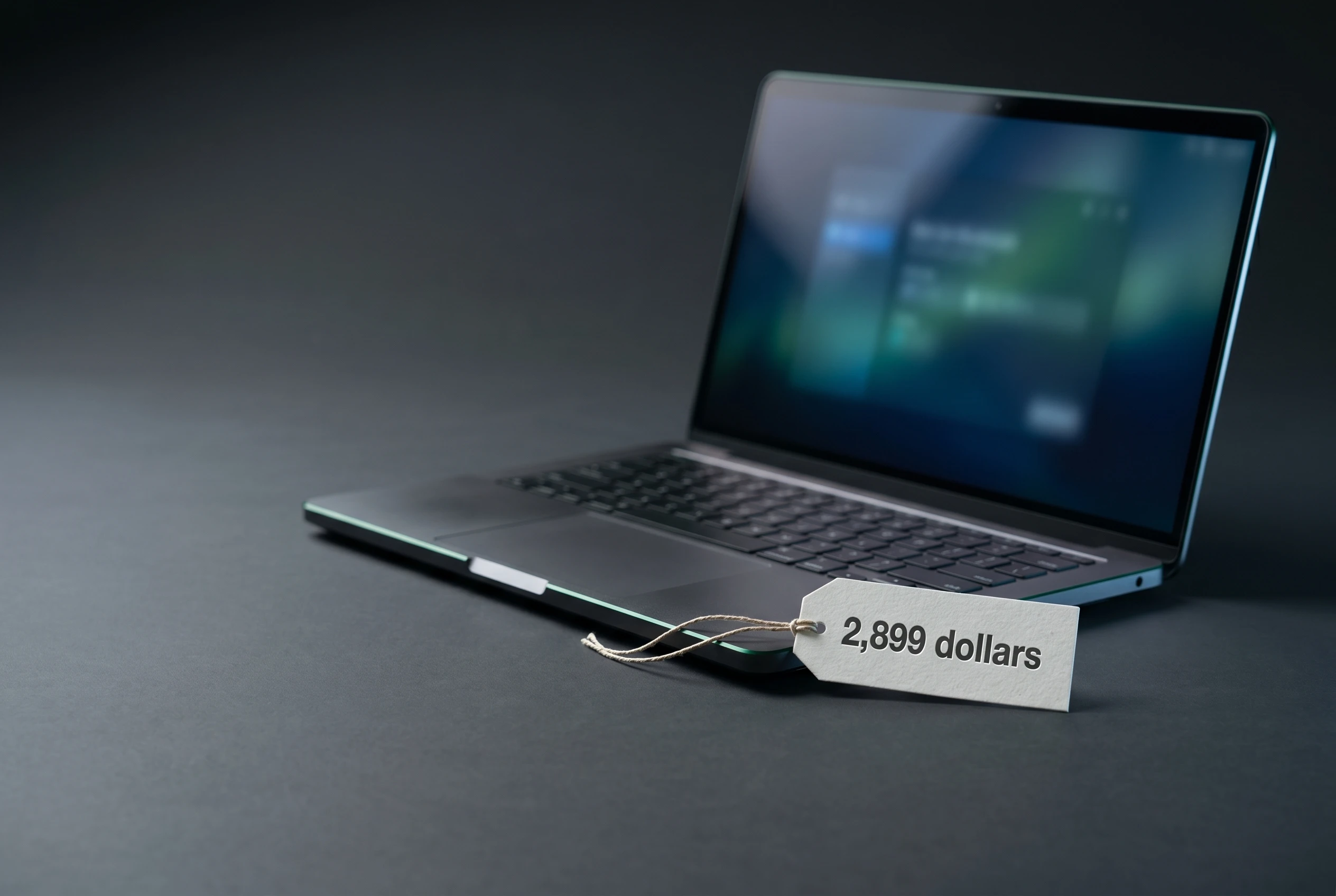
Nvidia RTX Spark laptop prices have leaked, and they run high. Systems built on the flagship N1x chip can’t ship below roughly $2,899, the investment bank Morgan Stanley estimates, while the entry tier opens near $1,799. That ladder drops Nvidia’s first Arm-based Windows machines straight into MacBook Pro territory.
So this is a premium play, not a mainstream one. Nvidia is aiming at creators, developers and AI power users who will pay Apple money for a Windows laptop, and the whole wager rests on one unproven thing: that Windows on Arm finally runs the software those buyers depend on.
What Morgan Stanley’s Numbers Say
The leaked figures come from a Morgan Stanley tabulation of component costs across the announced RTX Spark lineup. The bank’s read is blunt. The bill of materials for the top chip is high enough that no maker can realistically price a flagship machine under $2,899, and the cheaper silicon brings the floor down to roughly $1,799.
Line those numbers up against Apple’s current laptops and the positioning gets obvious. Apple’s M5 Pro and M5 Max MacBook Pro lineup starts at $2,199 for the 14-inch M5 Pro and runs to $3,899 for the 16-inch M5 Max. Nvidia’s two tiers slot right through the middle of that range.
| Machine | Starting price (US) | Chip |
|---|---|---|
| N1 RTX Spark laptops | $1,799 | Nvidia N1 (12 or 10 core) |
| N1x RTX Spark laptops | $2,899 | Nvidia N1x (20 core) |
| MacBook Pro 14, M5 Pro | $2,199 | Apple M5 Pro |
| MacBook Pro 16, M5 Pro | $2,699 | Apple M5 Pro |
| MacBook Pro 14, M5 Max | $3,599 | Apple M5 Max |
| MacBook Pro 16, M5 Max | $3,899 | Apple M5 Max |
The takeaway for a shopper is simple. There is no budget Nvidia laptop coming this year, and even the cheaper tier costs about what a mid-range Windows ultrabook does today.
Why the N1x Floor Sits So High
The price floor traces back to how the chip is built. The flagship part is built from two separate dies in one package: a 20-core Arm CPU designed by MediaTek and a Blackwell graphics die from Nvidia, stitched together over an NVLink connection running at 300 GB/s. Both are made on TSMC’s 3-nanometer process, the most expensive leading-edge node in volume production.
According to Nvidia’s RTX Spark platform specifications, the GPU side carries 6,144 cores running Nvidia’s CUDA (Compute Unified Device Architecture, the software layer most AI and graphics tools are built on), the same shader count as the desktop GeForce RTX 5070. Memory tops out at 128GB of unified LPDDR5X. Packaging two large dies with a high-speed interconnect adds cost that a single mainstream chip simply doesn’t carry.
This is the silicon behind the laptop processor Nvidia unveiled at GTC Taipei, its first Windows laptop chip in more than a decade. The standard tier trims the design hard, with a 12-core or 10-core CPU and 2,560 or 2,048 GPU cores, and that is how its machines reach a lower price.
The Buyer Nvidia Is Chasing
Nvidia isn’t pretending these are everyday laptops. The pitch points squarely at people who run heavy local workloads: video editors, 3D artists, and developers who want to train or run AI models without renting cloud time.
The numbers Nvidia and Microsoft put on stage explain the ask:
- 1 petaflop of FP4 AI performance, a measure of low-precision AI math throughput, on the flagship part.
- 128GB of unified memory, enough to hold large models and project assets in one pool the CPU and GPU share.
- 120 billion parameters, the size of large language model (LLM) the platform claims to run locally, with a one-million-token context window.
On the creative side, the companies say the hardware can render 90GB-plus 3D scenes and edit 12K video in the 4:2:2 format professionals shoot in. For a developer, the draw is CUDA running natively on a laptop, the same stack data-center AI is built on. Adobe is already on board, and its chief executive, Shantanu Narayen, said the company is building AI-native creative tools for the platform in the joint Nvidia and Microsoft launch announcement.
Qualcomm’s Exit Opened the Door
Nvidia could only walk into this market because Qualcomm’s grip on it loosened. For years, Qualcomm held an exclusivity deal with Microsoft to be the sole chip supplier for Windows on Arm. Arm’s chief executive, Rene Haas, confirmed that arrangement lapsed, and the field opened to everyone.
Nvidia moved fast. At Computex in Taipei, a wall of partners showed machines built on the platform, and the company says the catalog will reach roughly 30 laptop models and 10 desktops by fall, with Acer and Gigabyte still to come. The first wave already announced:
- Microsoft Surface Laptop Ultra, a 15-inch mini-LED flagship
- Dell XPS 16 Creator Edition with a tandem OLED screen
- Asus ProArt P16 and P14, aimed at content creators
- HP OmniBook X 14 and OmniBook Ultra 16
- Lenovo Yoga Pro 9n
- MSI Prestige N16 Flip AI+, a 16-inch convertible
That breadth is the point. Nvidia wants to be the chip you can buy in a dozen chassis, and the early roster leans toward thin-and-light creator machines over gaming rigs, part of a wider move that breaks the long x86 and Qualcomm hold on Windows laptops.
Where the Bet Could Go Wrong
Premium pricing only works if the machines deliver, and that is where the Arm question bites. Windows on Arm runs native apps well, but a lot of professional software still ships as x86 code that has to run through emulation, with a performance and stability tax. For a laptop sold at this price to professionals, “mostly works” isn’t good enough.
Battery life is the other unknown. Nvidia is pitching all-day runtime, and showed Forza Horizon 6 running above 100 fps at 1440p at Computex, but independent reviews haven’t landed yet. Microsoft has been here before; its earlier Arm bet ended in a $900 million write-down, a reminder that hardware ambition and Windows-on-Arm reality don’t always meet.
The rhetoric, meanwhile, runs well ahead of the receipts.
Our goal is to deliver unmetered intelligence to every home and every desk with Windows.
That was Satya Nadella, Microsoft’s chairman and chief executive, at the launch. Reaching every desk is the ambition; the price of the first machines that promise it is the near-term reality.
Frequently Asked Questions
When Do Nvidia RTX Spark Laptops Go on Sale?
Nvidia revealed the platform at its GTC Taipei keynote on June 1 and has set general availability for fall. The first machines come from Asus, Dell, HP, Lenovo, Microsoft and MSI, with Acer and Gigabyte models to follow.
What Is the Cheapest RTX Spark Laptop?
The entry models use the standard N1 chip and start around $1,799 per Morgan Stanley’s estimate. That sits below the $2,199 base price of Apple’s 14-inch M5 Pro MacBook Pro, but well above mainstream Windows laptops.
Can RTX Spark Laptops Run Normal Windows Games and Apps?
They run on Windows on Arm. Software compiled for Arm runs natively, while older x86 apps run through emulation, which can cost performance. Nvidia demonstrated the racing game Forza Horizon 6 above 100 fps at 1440p at Computex.
What Is the Difference Between the Two RTX Spark Chips?
The flagship tier (N1x) is a 20-core processor with a 6,144-core GPU and up to 128GB of memory. The standard tier drops to a 12-core or 10-core CPU with fewer graphics cores, which is the main reason its laptops cost less.
Nvidia has set fall for the first shipments. Until independent reviewers test the emulation tax and the battery, the premium is a promise.


Google Opens Gmail to Voice and Gates Docs Live

Lenovo Prices the IdeaPad Vibe Against Apple’s $699 Neo

Xbox Caps Game Pass Cloud Gaming at 15 Hours

GTA 6 DualSense Controllers Follow Sony’s Usual $84.99 Script

South Korea Retail Investors Face Reckoning After KOSPI AI Rally Collapses

Surrey AI Maps Three Heart Attack Paths and Their Molecular Roots

Germany Locks Neutral Apple ATT Prompts Across Most of Europe

Apple’s 5% EU Fee Quietly Rewrites Alternative App Store Math

Apple’s EU Fee Truce Cuts Complexity but Leaves Rivals Fuming

Pixel 11 Pro Fold Trades Thinness for Durability and Seven-Year Stay

Oracle Cuts 21,000 Jobs in a Year, Cites AI in 10-K Filing

Fable 5 and Mythos 5 Return as US Lifts Anthropic Export Controls

SpaceX’s Google Deal Turns a Rocket Company Into a Cloud Landlord

CD Projekt Red Co-CEO: Redemption Arc Isn’t Done, Witcher 4 in 2027

XPL Rallies 30% Ahead of Plasma One Card Tier Launch

Google Search Profiles Build a Follow Graph Inside Discover

DGO App Brings Rs 549 Mobile Pass for FIFA World Cup 2026 in Nepal

Moonshot AI Targets $30 Billion in China’s Fastest AI Funding Sprint

Oppo’s ColorOS 17 Eligibility List Leaves A-Series Buyers Behind

Microsoft Xbox Layoffs Start in July as Sharma Slams 3% Margin
-
 AI2 months ago
Oracle Cuts 21,000 Jobs in a Year, Cites AI in 10-K Filing
-
 AI2 months ago
Fable 5 and Mythos 5 Return as US Lifts Anthropic Export Controls
-
 AI3 months ago
SpaceX’s Google Deal Turns a Rocket Company Into a Cloud Landlord
-
 GAMING2 months ago
CD Projekt Red Co-CEO: Redemption Arc Isn’t Done, Witcher 4 in 2027
-
 CRYPTO3 months ago
XPL Rallies 30% Ahead of Plasma One Card Tier Launch
-
 NEWS3 months ago
Google Search Profiles Build a Follow Graph Inside Discover
-
 APPS3 months ago
DGO App Brings Rs 549 Mobile Pass for FIFA World Cup 2026 in Nepal
-
 AI3 months ago
Moonshot AI Targets $30 Billion in China’s Fastest AI Funding Sprint