
COMPUTERS
Samsung, SK Hynix, Micron Sued Over DRAM Price-Fixing Allegations
Three DRAM manufacturers face a US class action alleging they colluded to restrict supply and inflate memory prices. Filed June 25, 2026 in California.

A new US class action filed on June 25, 2026 accuses Samsung, SK Hynix, and Micron of conspiring to restrict DRAM supply and inflate memory prices for American buyers. The complaint, classified as anti-trust, was lodged in the United States District Court for the Northern District of California. It names 17 plaintiffs and five corporate defendants.
The filing lands as DRAM prices sit at a historical high and demand continues to outstrip supply. Jefferies Equity Research forecasts a 40-50% quarter-on-quarter DRAM price rise in Q3 2026 and a further 30-40% in Q4, with no relief until 2028. Twenty-one years before this complaint, the same trio’s predecessor companies pleaded guilty or were charged in a federal price-fixing prosecution that ended with a $300 million Samsung fine. The 2026 complaint describes a coordinated output restraint that resembles the conduct the DOJ prosecuted in 2005.
The California Filing at the Heart of the Case
The complaint, titled Garciaguirre et al. v. Samsung Electronics Co., Ltd. et al., was filed June 25, 2026 in the United States District Court for the Northern District of California. The case number is 3:26-cv-06345, the suit is classified as anti-trust, and the matter is assigned to Judge Noel Wise. Filing details, including the 118-page complaint, sit in the case docket filed in the Northern District of California.
17 plaintiffs bring the action. The named individual buyers include Theo Papulis, Thomas Yu, Tyree Burnett Jr., Thomas Barber, Brian Graber, Paul Henning, Evan Feliciano, Marc Garciaguirre, Rudolfo Gurrola Jr., Jeff Ramirez Ochoa, John Prineas, Joseph Flores, Joseph Danson, and Brook Barclays. Three small PC shops also appear on the filing. They are Wastenotime Developments Performance Fabrications d/b/a WNTD Fab LLC, JB Tech Solutions LLC d/b/a My Florida PC, and Troy’s Computers LLC.
Each plaintiff is represented by Brian James Dunne of Bathaee Dunne LLP. The complaint seeks damages for prices the plaintiffs say were inflated by an alleged coordinated restriction of supply. The plaintiffs argue that by limiting DRAM output, the three firms pushed prices above where a competitive market would have set them. American buyers of phones, laptops, consoles, and PCs paid the difference, the plaintiffs say. The defendants have not yet filed a public response to the allegations.
The five defendants cover the three largest DRAM makers and their US subsidiaries. Samsung is named through Samsung Electronics Co., Ltd. and Samsung Semiconductor, Inc. SK Hynix faces the suit through SK Hynix Inc. and SK Hynix America Inc. Micron Technology, Inc. is the fifth defendant.
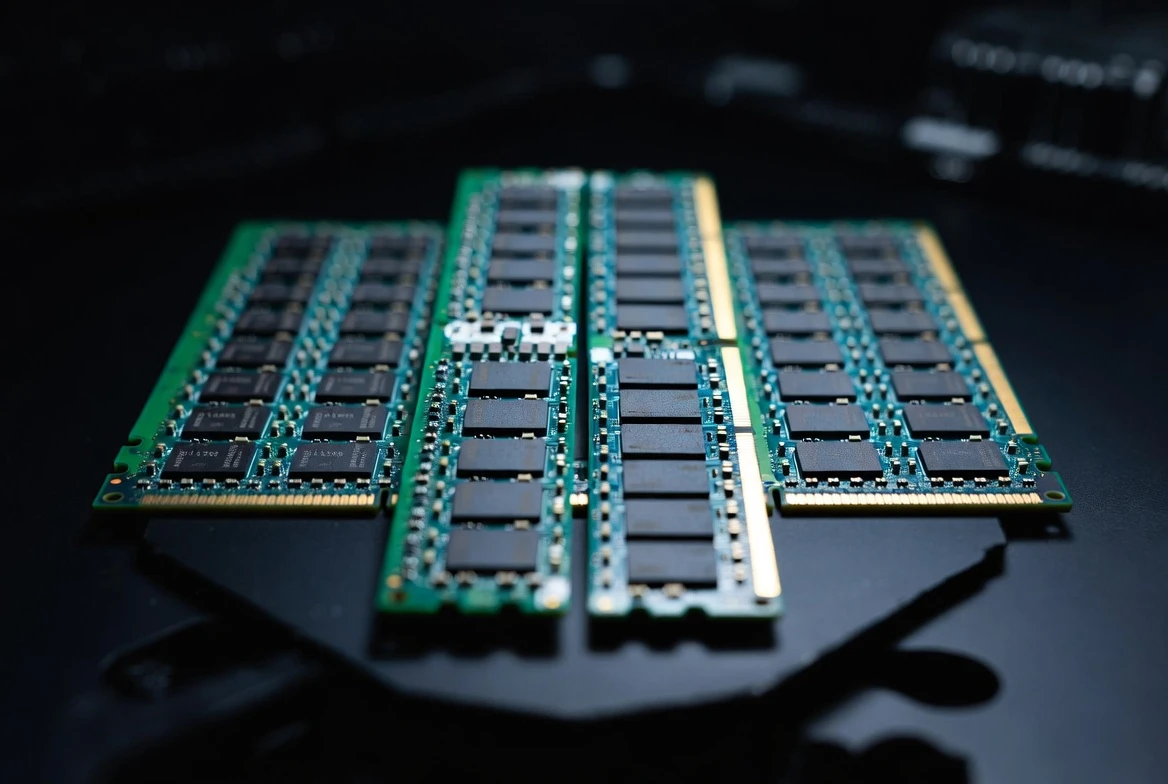
Memory at a Record High and Climbing
Memory prices have reached a historical high as demand continues to outstrip supply. The lawsuit lands on top of that run, not at its start. The trio has publicly emphasized new fab construction rather than addressing the allegations.
Jefferies Equity Research says DRAM prices are expected to see a 40-50% rise in Q3 2026 versus the current quarter. The note forecasts a further 30-40% hike in Q4 2026. It also projects a 40-45% year-on-year price rise in 2027. Relief, per Jefferies, is not expected before 2028. Even then, ASPs will only decline as 15-20% new capacity enters the market.
The stated driver of the run is AI demand, not a coordinated cut. The trio has said it is working on additional fabs and production lines to expand supply. That defense will sit at the center of the defendants’ likely response, though they have not yet spoken publicly about the case.
- Q3 2026: DRAM prices expected to rise 40-50% quarter-on-quarter
- Q4 2026: Further 30-40% quarter-on-quarter hike expected
- 2027: 40-45% year-on-year price hike forecast
- 2028: ASP decline possible as 15-20% new capacity arrives
Where the New Supply Is Going
Roughly 50% of the trio’s total capacity is already locked up in long-term agreements with hyperscalers and top tech firms, per Jefferies. Micron alone has signed 16 Strategic Customer Agreements as part of its five-year plan. Lenovo has separately warned that high memory prices are the new normal through 2030. Apple’s iPhone 18 Pro memory costs are reportedly threatening to triple. The plaintiffs’ filing frames that downstream pain as the visible surface of an alleged upstream agreement.
The trio’s answer to the supply gap is expansion, not retrenchment. Samsung and SK Hynix have outlined a $646 billion, 10-year investment plan, detailed in the $646 billion 10-year investment plan from Samsung and SK Hynix. Apple has also pursued a fourth source outside the trio, lobbying the White House to clear CXMT, a blacklisted Chinese supplier, as covered in Apple lobbying to clear CXMT as a memory supplier. None of those moves changes the supply math for the consumer market through 2026.
The 2005 Prosecution That Preceded This One
In October 2005, the Department of Justice announced that Samsung had agreed to plead guilty and pay a $300 million criminal fine for its role in an international price-fixing conspiracy. The DOJ called it the second-largest criminal antitrust fine in US history at the time. The conduct, in the Justice Department’s framing, was a textbook case of manufacturers agreeing on prices for a commodity input. Hynix and Infineon, the other named firms in that wave, paid $185 million and $160 million respectively. Total fines across the broader investigation crossed $646 million.
The 2005 conspiracy ran from April 1, 1999 to June 15, 2002, with a coordinated scheme to fix prices on DRAM sold to large US PC makers. The DOJ prosecuted Samsung, Hynix, and Infineon for participating in the meetings and price quotations, and four Infineon employees served prison terms ranging from four to six months. The 2026 complaint argues the same basic mechanism, coordinated output restraint, is at work in the current DRAM market.
| Aspect | 2005 DOJ Prosecution | 2026 Class Action |
|---|---|---|
| Court | US District Court, San Francisco | US District Court, Northern District of California |
| Case Number | Filed in San Francisco per DOJ press release | 3:26-cv-06345 |
| Case Type | Criminal anti-trust prosecution | Civil anti-trust class action |
| Lead Defendants | Samsung, Hynix, Infineon, Elpida, Micron (related) | Samsung, SK Hynix, Micron |
| Period of Alleged Conduct | April 1999 to June 2002 | Current DRAM market (per complaint) |
| Affected Buyers | Dell, Compaq, HP, Apple, IBM, Gateway | US DRAM buyers, per plaintiffs |
| Outcome | Samsung pleaded guilty; $300 million fine | Pending; complaint filed June 25, 2026 |
The 2026 filing is not the 2005 case, but the theory of harm is the same. Where the DOJ prosecuted coordinated meetings and price quotations, the new complaint alleges coordinated production restraint. The article that first reported on the 2026 lawsuit notes one key difference: the 2026 shortages are real, driven by AI demand, and the trio has announced capacity expansions. That distinction will sit at the center of the defendants’ likely response.
Price fixing threatens our free market system, stifles innovation, and robs American consumers of the benefit of competitive prices.
That line, from Attorney General Alberto R. Gonzales, anchored the DOJ’s 2005 announcement of the Samsung plea. The full plea deal is documented in the 2005 court record on Samsung’s $300 million plea. Today’s complaint runs 118 pages, against a DOJ case file that wrapped up in plea deals, fines, and short prison terms for individual executives. The legal terrain in 2026 looks different from 2005, even though the theory of harm tracks the earlier case. The defendants have not yet responded publicly to the new allegations.
From Complaint to Capacity in the Years Ahead
The complaint was filed in the final week of June 2026. No hearing date has been set. The plaintiffs are seeking damages tied to the price hikes they attribute to the alleged coordinated conduct.
Jefferies expects the first relief in 2028, when 15-20% new capacity from CXMT, YMTC, and the trio’s own fabs is forecast to ease the market. That window also coincides with China’s Epic Expansion initiative for memory wafer output. By then, the 2026 complaint will either have advanced, been consolidated with similar actions, or been dismissed. A similar 2018 class action filed by plaintiff John Treanor also targeted the trio, detailed in the 2018 Treanor class action against the same trio. The 2026 plaintiffs will need evidence of coordinated output decisions, not just parallel behavior in a tight market.
The trio continues to fund new fabs and prices continue to climb. Consumers buying PCs, laptops, consoles, and smartphones will not see relief at the counter before 2028 on the Jefferies forecast. Prices have already hit a historical high, and the trio has not yet addressed the complaint publicly.
Frequently Asked Questions
Who filed the new DRAM class action against Samsung, SK Hynix, and Micron?
Seventeen named plaintiffs filed the complaint on June 25, 2026 in the US District Court for the Northern District of California. The plaintiffs include 14 individual buyers and three small PC shops: WNTD Fab LLC, JB Tech Solutions LLC d/b/a My Florida PC, and Troy’s Computers LLC. They are represented by Brian James Dunne of Bathaee Dunne LLP.
What does the lawsuit allege the three DRAM manufacturers did?
The complaint, classified as anti-trust under case 3:26-cv-06345, alleges that Samsung, SK Hynix, and Micron coordinated to restrict DRAM supply and inflate memory prices. The plaintiffs seek compensation for what they describe as gouged prices built on artificially created shortages.
How much are DRAM prices expected to rise through 2026?
Jefferies Equity Research forecasts a 40-50% quarter-on-quarter DRAM price rise in Q3 2026, followed by a further 30-40% quarter-on-quarter hike in Q4 2026. The same analyst note projects a 40-45% year-on-year hike in 2027.
Is this the same case as the 2005 DOJ price-fixing prosecution?
No. It is a new civil class action, not a criminal prosecution. The 2005 case ended with Samsung pleading guilty and paying a $300 million criminal fine. The 2026 complaint alleges a similar theory of harm, coordinated supply restraint, but the defendants have not been charged, and the trio says the current shortages are driven by real AI demand.
When could DRAM prices start to come down?
Jefferies expects the first relief in 2028, when 15-20% new capacity from CXMT, YMTC, and the trio’s own fabs is forecast to enter the market. Until then, long-term agreements covering an estimated 50% of capacity, rising toward 70%, are expected to keep consumer supply tight.


Sony’s 10 Percent Disc Drop Leaves the 2028 Cutoff Intact

Chip Allocation Sidelines the Base iPhone 18 This Fall

Miami-Dade Fights the Vice City Brand It Already Wears

IFA 2026 Awards Put Tecno Ahead of Flagship Phones

USB-C Gadgets Made the Junk Drawer Rechargeable

Pixel 11 Pro Asks $1,099 for a Light Google Locked

The iPhone Ultra Sells Two Retired Minis as One Foldable

Google Opens Gmail to Voice and Gates Docs Live

Lenovo Prices the IdeaPad Vibe Against Apple’s $699 Neo

Xbox Caps Game Pass Cloud Gaming at 15 Hours

Oracle Cuts 21,000 Jobs in a Year, Cites AI in 10-K Filing

Fable 5 and Mythos 5 Return as US Lifts Anthropic Export Controls

SpaceX’s Google Deal Turns a Rocket Company Into a Cloud Landlord

CD Projekt Red Co-CEO: Redemption Arc Isn’t Done, Witcher 4 in 2027

XPL Rallies 30% Ahead of Plasma One Card Tier Launch

Google Search Profiles Build a Follow Graph Inside Discover

DGO App Brings Rs 549 Mobile Pass for FIFA World Cup 2026 in Nepal

Moonshot AI Targets $30 Billion in China’s Fastest AI Funding Sprint

Oppo’s ColorOS 17 Eligibility List Leaves A-Series Buyers Behind

Microsoft Xbox Layoffs Start in July as Sharma Slams 3% Margin
-
 AI2 months ago
Oracle Cuts 21,000 Jobs in a Year, Cites AI in 10-K Filing
-
 AI2 months ago
Fable 5 and Mythos 5 Return as US Lifts Anthropic Export Controls
-
 AI3 months ago
SpaceX’s Google Deal Turns a Rocket Company Into a Cloud Landlord
-
 GAMING3 months ago
CD Projekt Red Co-CEO: Redemption Arc Isn’t Done, Witcher 4 in 2027
-
 CRYPTO3 months ago
XPL Rallies 30% Ahead of Plasma One Card Tier Launch
-
 NEWS3 months ago
Google Search Profiles Build a Follow Graph Inside Discover
-
 APPS3 months ago
DGO App Brings Rs 549 Mobile Pass for FIFA World Cup 2026 in Nepal
-
 AI3 months ago
Moonshot AI Targets $30 Billion in China’s Fastest AI Funding Sprint