
NEWS
Apple Cut iPhone Trade-In Credits Harder on Pro Models
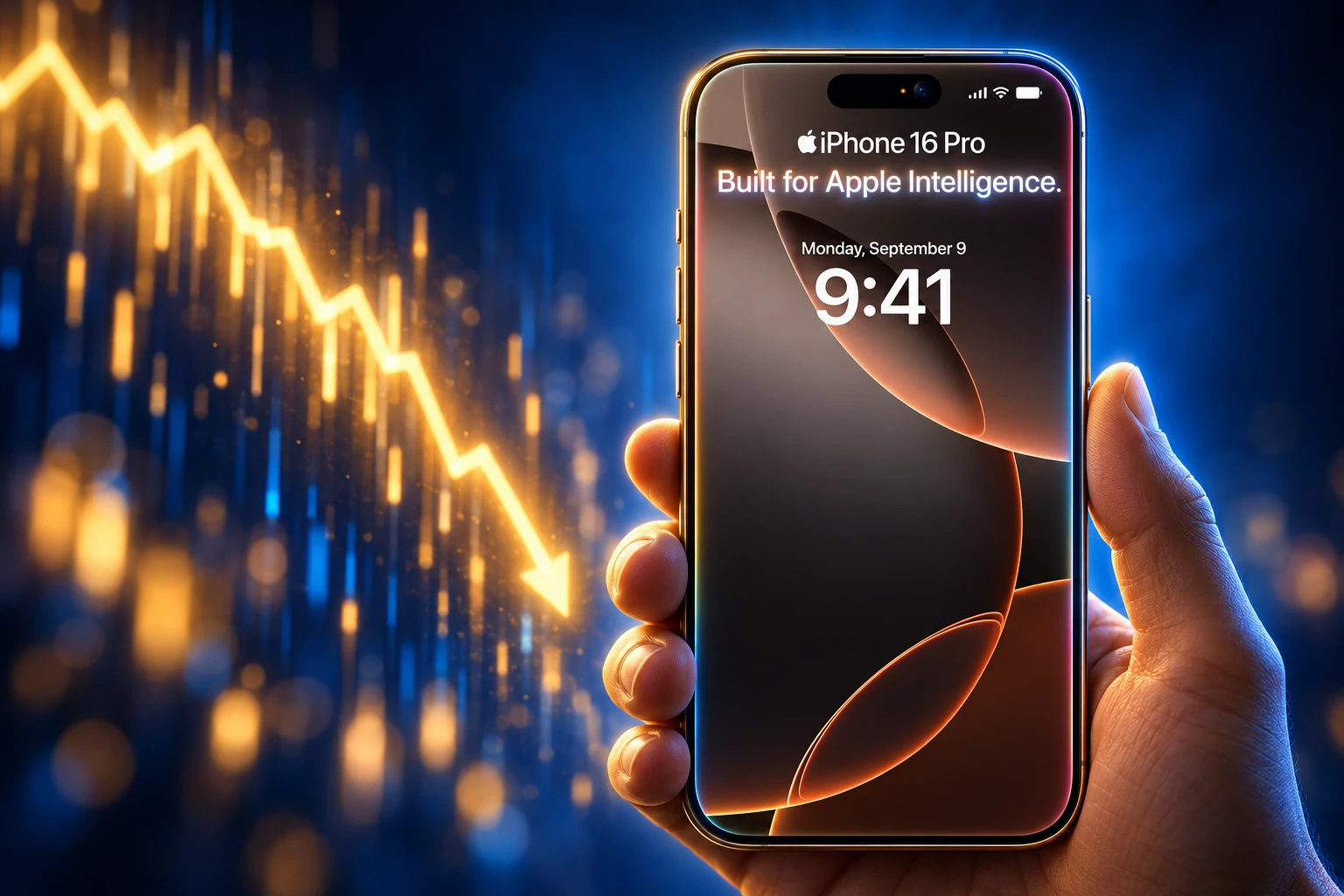
Apple cut iPhone trade-in credits on September 9, dropping the iPhone 16 Pro by $120, even as carriers advertise $1,200 toward the 18 Pro.

Apple cut the maximum credit on every returning iPhone on September 9, the same day it unveiled the iPhone 18 Pro. Last year’s Pro phones took the biggest hit on Apple’s own table, while standard models moved less because nothing in their price band was replaced.
Independent buyers can still reprice again before the phones go on sale September 18. Carrier plans are a different ledger: T-Mobile is advertising bill credits that can cover the new Pro in full if you stay for 36 months.
Apple Cut Every Returning iPhone on September 9
The cut landed during the Surprise and Shine event, not in the days after. Apple added the iPhone 17 line to up to $885 for an iPhone 17 Pro Max, then lowered every older iPhone still on the list. The public range is now $35 to $885, and the figure depends on model and condition.
That update reversed an August sweetener. On August 6, Apple had raised many iPhone credits, including the iPhone 16 Pro from $560 to $630. On September 9 those gains came off, and then some. The same refresh raised iPad and most Mac credits, including iPad Pro to $905 from $720 and MacBook Pro to $1,315 from $855.
THE VALUE PATH THIS SEPTEMBER
- August 6, 2026: Apple raises maximum iPhone trade-in credits, taking the iPhone 16 Pro from $560 to $630.
- September 9, 2026: Apple unveils iPhone 18 Pro, iPhone 18 Pro Max, and iPhone Duo, then cuts every returning iPhone on the trade-in list.
- September 12, 2026: Pre-orders open at 5 a.m. PT for the new Pro phones.
- September 18, 2026: iPhone 18 Pro and Pro Max go on sale; Apple’s 14-day trade-in clock starts when a new phone is received.
The iPhone 18 Pro starts at $1,199, and the Pro Max starts at $1,299. The foldable Duo is priced from $1,999, with pre-orders on October 16 and sales on October 23. Anyone trading a year-old Pro toward the Duo still faces a four-figure gap after Apple’s credit.
The $120 Hit on Last Year’s Pro Phones
The largest dollar cut on Apple’s list is the iPhone 16 Pro, which fell from $630 to $510. That is a $120 drop, or 19 percent of the August maximum. The iPhone 16 Pro Max fell from $720 to $610, a $110 cut. Standard iPhone 16 credit went from $480 to $430, a $50 move, or 10 percent.
Older Pro phones followed the same tilt. The iPhone 15 Pro Max dropped from $530 to $455. The iPhone 15 Pro and the iPhone 14 Pro each lost $50. The iPhone 16e, already a cheaper line, went from $310 to $270.
APPLE TRADE-IN CREDITS AFTER SEPTEMBER 9
| Model | August max | September 9 max | Change |
|---|---|---|---|
| iPhone 17 Pro Max | Not listed | $885 | New to the list |
| iPhone 17 Pro | Not listed | $785 | New to the list |
| iPhone 17 / iPhone Air | Not listed | $585 | New to the list |
| iPhone 16 Pro Max | $720 | $610 | -$110 |
| iPhone 16 Pro | $630 | $510 | -$120 |
| iPhone 16 Plus | $485 | $430 | -$55 |
| iPhone 16 | $480 | $430 | -$50 |
| iPhone 16e | $310 | $270 | -$40 |
| iPhone 15 Pro Max | $530 | $455 | -$75 |
| iPhone 15 Pro | $420 | $370 | -$50 |
Those “up to” figures are Apple Store credit, not cash, and they fall if the phone fails inspection. A cracked screen, a weak battery, or a third-party engraving can shrink the payout. Apple says its own engraving does not.
No Standard iPhone 18 Arrived in September
Apple did not put a regular iPhone 18 on stage. The base iPhone 18 skipped this fall, so the September ladder is Pro, Pro Max, and the Duo. That is why the credit cut is uneven. Apple replaced last year’s Pro phones and left the $799-class slot empty.
Owners of a standard iPhone 17 still have a current phone in Apple’s lineup. Their set is now on the trade-in table at $585, the same number as the iPhone Air. They do not have a new non-Pro iPhone to buy until Apple holds a later event, which has been discussed for spring 2027 and is not on the calendar yet.
People holding an iPhone 16 or 16 Plus saw smaller Apple cuts than Pro owners, and they still have no new mid-price iPhone to jump to. Selling into a Pro-only launch is a different trade from the usual September refresh, when a new $799 phone pulled last year’s standard model down with it.
The Duo makes the gap wider for anyone aiming at the foldable. A 17 Pro Max credit of $885 against a $1,999 phone leaves more than $1,100 to finance. The foldable iPhone Duo arriving in October is a separate product cycle, with its own wait and its own used-phone supply later this fall.
Bill Credits of $1,200 Still Beat Apple’s Table
Apple’s list is the wrong sheet for a lot of upgrades. T-Mobile’s newsroom posted up to $1,200 off any iPhone 18 Pro when a customer trades in an eligible device in any condition, or switches a line, on Experience Beyond 2.0, Experience Beyond, or Go5G Next. That top figure needs a plan at $100 or more a month with AutoPay. The credit is paid across up to 36 monthly bill credits, plus tax.
T-MOBILE IPHONE 18 PRO TRADE-IN TIERS
- Top tier: Up to $1,200 off any iPhone 18 Pro model on Experience Beyond 2.0, Experience Beyond, or Go5G Next, with an eligible trade-in in any condition or a line switch.
- Mid tier: Up to $930 off any iPhone 18 Pro model, or an iPhone 17 on Us, on Experience More 2.0, Experience More, or Go5G Plus.
- Add-a-line: Up to $730 off any iPhone 18 Pro model when adding a line and trading in on most plans, including Essentials and Magenta.
Other U.S. carriers are advertising the same $1,200 bill-credit figure over 36 months, with the usual plan-tier and new-line rules. Leave early and the leftover device balance comes due. The $0 monthly pitch is real only if the line stays active for the full term.
That is why the upgrade talk after September 9 moved off Apple’s spreadsheet. People who planned to skip the year are taking carrier math that can zero out a $1,199 Pro, even with a cracked trade-in, while an unlocked buy from Apple now uses the cut table. The two channels stopped being close.
Three in Four Phones Lost Value by Release Day
Apple’s cut is one price. The cash buyback market is another, and it still has a window. SellCell, which compares offers from independent buyers, looked at the iPhone 15, 16, and 17 launches and found that 117 of 156 tracked iPhones lost value between announcement day and release day. That is 75 percent of the set, in a span of about 10 or 11 days.
SELLCELL LAUNCH-WINDOW FINDINGS
- The wait: 61.4% of 2,000 U.S. iPhone users surveyed in August 2026 said they would keep the old phone until the replacement arrives and is set up.
- The reason: 77.4% pointed to everyday use or data transfer; 23.1% said they would arrange a trade-in when they pre-order.
- The last launch: Ahead of iPhone 17 release, 50 of 54 tracked iPhones, or 92.6%, lost value in 10 days, at an average of $36.46.
- The worst hits: iPhone 16 Plus 512GB fell $129, from $695 to $566; iPhone 15 Plus 128GB fell 20.2%, from $440 to $351.
Those percentages are independent-buyer quotes in good condition, not Apple’s store credits. They are a separate quantity from the $120 Apple took off the iPhone 16 Pro on September 9. Both can be true at once: Apple already moved, and cash offers can still slip again before September 18.
SellCell also found that 82.8% of the same survey did not know some buyers offer a price lock, and 66.1% said a lock would make them arrange a trade-in earlier. Most people are not trying to time the market. They need the phone in their pocket until the new one shows up.
The 14-Day Clock Starts After Delivery
Apple’s own deadline is easy to misread. It is not a September calendar date, and it does not freeze the August quote. If you pre-order an iPhone 18 Pro now, the estimate you see is the post-cut number, and it holds only after the new phone is in hand.
Your trade-in estimate is valid for 14 days after you receive your new device. It’s important that we receive your trade-in within this time frame to ensure that you get the estimated value.
Apple Trade In, apple.com
A phone bought on launch day and delivered September 18 has until early October for the old device to arrive. Mail it late, or send a phone that does not match the condition you claimed, and Apple can pay less. Online trades generally take two to three weeks to finish, Apple says, with three to five business days to process the credit after inspection.
Paying in full means the credit hits the original payment method after the old phone clears. Monthly payments apply the estimate at checkout, then charge the card if the device comes in worse than described. Store drop-off is faster, and a specialist sets the number on the spot.
Same $585 for the Air and the Standard 17
Last year’s slim iPhone Air now sits at $585 on Apple’s list, the same maximum as a standard iPhone 17. The 17 Pro is $785 and the 17 Pro Max is $885. Air owners who paid near Pro money last year are looking at a mid-tier credit on a phone that is not even a year old.
That ranking tracks used demand more than original sticker. The Air had a weak resale start after the iPhone 17 launch, and Apple’s September list treats it like the vanilla 17, not like the 17 Pro. If you hold an Air and want the 18 Pro, the carrier any-condition offers close more of the gap than Apple’s $585.
A private sale can still beat both, if you can live without the phone and wait out payment. For everyone else, the choice is now three different clocks: Apple’s 14 days after delivery, a carrier’s 36 months of credits, and the cash market’s habit of falling between announcement and the first weekend of sales. September 18 is the next date that moves all three.

Instagram Plus Tests a Read-Only Mode That Cuts Stories

Altman Asks the Public to Accept Some AI Harm

Google Freezes OSS VRP Product Reports After AI Flood

AI Agents Make Payment Rails the Scarce Prize

Turkey’s Crypto Boom Now Runs Through Three Banks

Fable 5 Came Back Under a Commerce On-Off Switch

Google’s SpaceX GPU Lease Has a Sept. 30 Deadline

Plasma One’s XPL Locks Face a 1.81 Billion Cliff

DGO’s Rs 549 World Cup Pass Cost Fans Sleep and Data

Moonshot AI’s $30 Billion Ask Became a $35 Billion Close
-
 AI4 months ago
Fable 5 Came Back Under a Commerce On-Off Switch
-
 AI5 months ago
Google’s SpaceX GPU Lease Has a Sept. 30 Deadline
-
 CRYPTO4 months ago
Plasma One’s XPL Locks Face a 1.81 Billion Cliff
-
 APPS4 months ago
DGO’s Rs 549 World Cup Pass Cost Fans Sleep and Data
-
 AI5 months ago
Moonshot AI’s $30 Billion Ask Became a $35 Billion Close
-

 NEWS5 months ago
ColorOS 17 Device List Spans Oppo, OnePlus and Realme
-

 GAMING4 months ago
Xbox Cuts 3,200 Jobs After Five Years of Thin Returns
-

 GAMING4 months ago
The RTX 4050 Under Rs 70,000 Hides a Wattage Gap