
APPS
Nutrition App Gamification Carries Hidden Risks, Researchers Warn
Nutrition app badges and streaks keep users logging meals. New research now ties the same engagement mechanics to disordered eating in vulnerable users.

The next badge on a phone might not come from a game. It could come from a calorie counter, where a 23-day logging streak turns into a trophy and a missed lunch turns into a red warning. The AP wire published June 30, 2026, by Albert Stumm, traces how nutrition app gamification moved from casual games into online shopping, sports betting, classrooms, and meal trackers. New research now links the same engagement design to disordered eating symptoms in users already primed to equate thinness with health.
For the millions of people who just want a nudge to move more or to eat a little less salt, the design works. For a smaller, more vulnerable group, the same loop pulls in the opposite direction.
The Loop That Pulls Users In
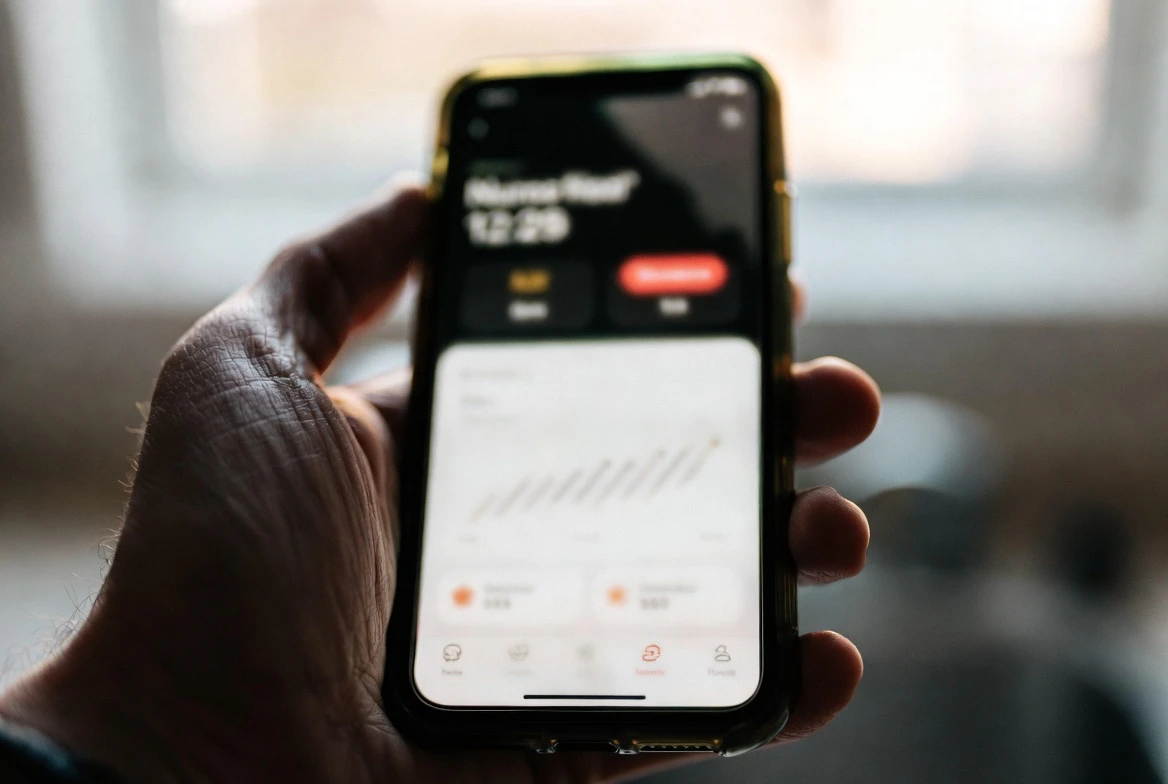
Green means go, red means stop, and a 23-day logging streak pops a badge on the screen. Those engagement cues are now baked into the most popular calorie and nutrition apps on the market, and the visual grammar has crossed over from casual games into online shopping, sports betting, classrooms, and meal trackers.
The way most apps work, users enter height, weight, age, and a goal. The app then returns a calorie or macronutrient target and keeps the user coming back with the same rewards that work in mobile games. Many of these apps ship free and then upsell a paid premium tier, which makes engagement a business metric as much as a wellness feature. The mechanics that drive logging are also the mechanics that drive the documented harms now being flagged by researchers.
- Badges awarded for milestones like a first week of complete logs
- Streak counters that turn a missed day into a broken run
- Points awarded for each completed logging action
- Push notifications that frame logging lunch or dinner as a duty
The Centers for Disease Control says an individual’s calorie needs depend on factors including age, sex, and level of physical activity, and it provides its own calculator for that baseline. Critics of nutrition apps warn that the food databases those apps lean on are often inaccurate, with estimated portion sizes and calorie counts that vary widely. When a streak is on the line, a user can end up optimizing for the app rather than for the body.
What 38 Studies Found
The most cited finding sits inside the systematic review of diet and fitness apps, published in the journal Body Image, where PhD researcher Isabella Anderberg and her colleagues at Flinders University in Adelaide pulled together 38 studies on the apps and the behaviors their users develop. The paper, titled “The link between the use of diet and fitness monitoring apps, body image and disordered eating symptomology: A systematic review,” credits Anderberg, Eva Kemps, and Ivanka Prichard as authors.
The review’s headline finding, in Anderberg’s own words to the AP, is that young adults who use diet and fitness apps show greater disordered eating symptoms, including harmful or restrictive diets and negative thoughts about body image, than peers who do not use them. The team framed the apps as marketed to improve health while warning they may also produce unintended consequences such as pressure to meet goals and guilt when daily targets slip. Anderberg’s one-line summary of the risk profile, also given to the AP, is the phrase she repeats for any user thinking about the next download: approach with caution.
An estimated 311 million people use health apps, including MyFitnessPal, to track meals, calories, and exercise, according to Flinders University research on fitness app harms. The team’s review did not argue that the apps are useless, and it noted that some users report positive experiences such as increased awareness and motivation. The caveat, also from the release, is that the broader implications for mental health need careful consideration, especially among vulnerable populations like adolescents.
Senior author Professor Ivanka Prichard, also at Flinders, told the university’s news office that as more people turn to apps for guidance in their wellness journeys, the developers should ensure they are prioritizing mental health alongside fitness goals. Prichard stopped short of naming specific apps for redesign, and the Flinders team said more research is needed to understand the benefits and risks connected to diet and fitness app use.
By the numbers:
- 311 million people worldwide are estimated to use health tracking apps including MyFitnessPal
- 38 studies were reviewed by the Flinders University team for the systematic review
- 3 authors contributed: Isabella Anderberg, Eva Kemps, and Ivanka Prichard at Flinders University in Adelaide
The Two Kinds of “Working”
Apps in this category earn their fans for good reasons. Health professionals Anderberg interviewed during her research told the AP the tools can be especially helpful as meal-planning aids for people managing chronic conditions such as heart disease and diabetes. Physical activity apps also serve a basic reminder function for sedentary users who need a nudge to stand up. Many users find the streak notifications motivating rather than punitive, and they stay because the design gives them something to do every day.
Angela Drury, an English professor in Woodstock, Georgia, started logging on MyFitnessPal more than ten years ago when she began CrossFit. She has since cycled through Weight Watchers, Lose It, and now Nourish, which her insurance covers and which pairs the app with blood work and weekly dietitian meetings. Drury says the apps have helped her stay on track with fitness goals and have sometimes steered her away from high-calorie foods when she uploaded photos of meals she was considering.
When the Streak Becomes a Trap
Behavioral psychologist Courtney Simpson, who directs the eating disorders program at the Evidence-Based Treatment Centers of Seattle, draws the line between helpful and harmful mechanics. Simpson told the AP that some apps encourage users to set calorie goals that are far too low for any adult, which is unhealthy and sets the user up to fail.
Simpson told the AP that the gamification loop keeps people returning to unrealistic goals, creating shame that can feed into binge eating or other behaviors the user is trying to leave behind. She distinguishes the design from the goal the design is reinforcing, and she treats the question of which is which as the one that matters. When the goal itself is misaligned with the user’s health, the streak turns into a punishment loop that pulls the user deeper into the cycle the app is supposed to fix. Food databases inside most of these apps are also often inaccurate, with portion sizes and calorie counts that vary widely, so the daily target can drift even when the user’s behavior does not.
It’s not that gamification itself is bad. It’s about what it is promoting. Is that actually going to be beneficial?
Simpson also notes that focusing on weight as a measure of overall health, beyond being inaccurate, makes losing and regaining weight more likely, and that such cycling is linked to worse health outcomes over time. The longer the streak format runs the user’s day, the more it amplifies a pattern the body is supposed to escape.
The Silent Side of the Story
The two names most associated with gamified nutrition tracking did not respond when the AP asked for comment. MyFitnessPal and Noom did not respond to several requests for comment, according to the wire story on nutrition app gamification published June 30, 2026. The silence leaves the most-cited critique of their design unanswered at the source.
The platforms have not, in this round, offered a public defense of the streak-and-badge architecture or a roadmap to soften it for higher-risk users. Anderberg’s framing still applies, that these apps are marketed as tools to improve health but may also carry unintended consequences such as pressure to meet goals and guilt when goals slip. The Flinders review urged app developers to consider the psychological impacts of their design choices, calling that responsibility out by name. No similar message has come back from the companies whose products the review names.
Simpson’s test, asked about the structure of the apps, lands on whether the goal behind the streak is one the user actually wants to keep. Drury, the long-time user, captures the same skepticism in one line: the body, she said, ultimately outranks the streak. The three voices named in the AP wire, two researchers and one long-time user, converge on the same practical advice even though they arrived there from different directions.
Using These Apps Without Getting Burned
The researchers interviewed for the AP wire are not telling users to delete the apps, because the same category that produces documented harms also produces real value. Anderberg’s research found that some users report positive experiences such as increased awareness and motivation, and the tools have real value for people managing diabetes or heart disease under clinical care. Her practical recommendation, in plain language, is to weigh what the app asks the user to do against what the user’s body is signaling. That framing, not a ban, is the practical middle the research lands on.
Drury’s lived practice, refined over more than ten years of daily logging, shows what that balance can look like in real use. She notices the badge for a logging streak as a small boost, and she lets the lunch reminder sting a little when it arrives. The streak, for her, is not a verdict on the day’s worth, and the line she returns to is that you cannot starve yourself into being in the shape you want to be in.
Simpson’s test for any user is whether the behavior is feasible and sustainable over time, which she frames as the only path to lasting change. Anderberg’s test is internal, urging users to be skeptical of what the apps tell them to do and to lean on their own intuition, including the choice to rest, nurse an injury, or enjoy a meal without counting it. She worries about losing the ability to read our body cues, which is the part of the loop the streak does not track. The combined test is whether the app’s demands match what the user’s life and body can actually carry.
For users with a history of body image concerns, restrictive eating, or compulsive exercise, the Flinders review treats the risk profile as elevated rather than baseline. The same review found that those pre-existing concerns make the user more likely to misuse the tools, especially when the goal inside the app is weight loss. The cautious read of the design, by all three voices cited in the AP wire, is to put the user ahead of the streak.
Four practices drawn from the interviews:
- Pair with a clinician. Apps work best as meal-planning tools for people managing chronic conditions like heart disease or diabetes under clinical care.
- Build habits you can sustain. Lasting change comes from behaviors that are feasible and sustainable for the user over time, not from streak-driven intensity.
- Notice the scolding. If a reminder feels like it is scolding you, that is a signal to step back.
- Listen to body cues. Rest, injury, and hunger are signals the streak does not track, and the app should not override them.
Frequently Asked Questions
Are nutrition apps safe to use?
They can be, especially when paired with clinical care for chronic conditions like diabetes or heart disease. The Flinders University review found the risk profile rises for users with pre-existing body image concerns or a history of restrictive eating.
What is gamification in a nutrition app?
It is the same engagement toolkit used in mobile games, applied to meal logging. The common mechanics include badges for milestones, streaks that punish a missed day, points for completed actions, and push notifications that frame logging as a duty.
Why are researchers worried about gamification in calorie trackers?
A systematic review of 38 studies, published in the journal Body Image, found that young adults who use diet and fitness apps show greater disordered eating symptoms, including restrictive diets and negative body image, than peers who do not. The researchers link the patterns to the apps’ focus on dietary restriction and weight loss.
What is the practical advice from the researchers?
Isabella Anderberg at Flinders University recommends approaching these apps with caution, especially for users prone to body image concerns. Courtney Simpson at the Evidence-Based Treatment Centers of Seattle advises focusing on behaviors that are feasible and sustainable for the user over time.
Did MyFitnessPal or Noom respond to the concerns raised in the research?
No. According to the AP wire published June 30, 2026, the two companies most associated with gamified nutrition tracking did not respond to several requests for comment on the critique.
Disclaimer: This article is for informational purposes only and does not constitute medical advice. Eating disorders are serious health conditions that require professional evaluation. The figures and research cited are accurate as of publication. If you recognize warning signs in yourself or someone you know, consult a qualified healthcare provider.


South Korea Retail Investors Face Reckoning After KOSPI AI Rally Collapses

Surrey AI Maps Three Heart Attack Paths and Their Molecular Roots

Germany Locks Neutral Apple ATT Prompts Across Most of Europe

Apple’s 5% EU Fee Quietly Rewrites Alternative App Store Math

Apple’s EU Fee Truce Cuts Complexity but Leaves Rivals Fuming

Pixel 11 Pro Fold Trades Thinness for Durability and Seven-Year Stay

Mayo AI Flags HCM Obstruction From Everyday Ultrasound Videos

Indian Brands Quietly Scale Landmark Screens and Home Tech

Navin Vatsa Turns Grief Into a Lifetime of Quiet Seeing

Google Bets Pixel 11 Agentic AI Will Redefine Phones

Oracle Cuts 21,000 Jobs in a Year, Cites AI in 10-K Filing

Fable 5 and Mythos 5 Return as US Lifts Anthropic Export Controls

SpaceX’s Google Deal Turns a Rocket Company Into a Cloud Landlord

CD Projekt Red Co-CEO: Redemption Arc Isn’t Done, Witcher 4 in 2027

XPL Rallies 30% Ahead of Plasma One Card Tier Launch

Google Search Profiles Build a Follow Graph Inside Discover

DGO App Brings Rs 549 Mobile Pass for FIFA World Cup 2026 in Nepal

Moonshot AI Targets $30 Billion in China’s Fastest AI Funding Sprint

Oppo’s ColorOS 17 Eligibility List Leaves A-Series Buyers Behind

Microsoft Xbox Layoffs Start in July as Sharma Slams 3% Margin
-
 AI2 months ago
Oracle Cuts 21,000 Jobs in a Year, Cites AI in 10-K Filing
-
 AI2 months ago
Fable 5 and Mythos 5 Return as US Lifts Anthropic Export Controls
-
 AI3 months ago
SpaceX’s Google Deal Turns a Rocket Company Into a Cloud Landlord
-
 GAMING2 months ago
CD Projekt Red Co-CEO: Redemption Arc Isn’t Done, Witcher 4 in 2027
-
 CRYPTO2 months ago
XPL Rallies 30% Ahead of Plasma One Card Tier Launch
-
 NEWS3 months ago
Google Search Profiles Build a Follow Graph Inside Discover
-
 APPS2 months ago
DGO App Brings Rs 549 Mobile Pass for FIFA World Cup 2026 in Nepal
-
 AI3 months ago
Moonshot AI Targets $30 Billion in China’s Fastest AI Funding Sprint