
AI
Apple Asks Court to Dismiss YouTube AI Lawsuit Under Section 1201(a)
Apple is asking a federal court to dismiss a YouTubers’ AI training lawsuit by arguing publicly viewable YouTube videos can’t trigger DMCA Section 1201(a).

Apple asked a federal court this week to throw out a class-action lawsuit filed by three YouTube channels over Apple’s alleged use of their videos to train AI models. The argument, in a court filing reported on July 2, is that the videos were posted publicly on YouTube and that DMCA Section 1201(a) only protects content the public cannot already access. The lawsuit was filed in April 2026 in the U.S. District Court for the Northern District of California and centers on Apple’s use of a dataset called Panda-70M. Apple’s motion leans on access-control language and asks the court to dismiss the case before discovery. The next filing from the plaintiffs will test whether Section 1201(a) reaches content any logged-in user can stream.
The plaintiffs are led by Ted Entertainment, the company behind Ethan Klein and Hila Klein’s h3h3Productions channel and H3 Podcast, joined by the golf channels MrShortGame Golf and Golfholics. The complaint alleged that Apple ‘deliberately circumvented’ YouTube’s protections and that the plaintiffs’ content appears more than 500 times inside the dataset Apple used. Apple’s response reframes the dispute as a misreading of which part of the DMCA was ever violated. The motion to dismiss is the first formal response from any of the AI defendants the plaintiffs have named in parallel lawsuits.
Apple’s Public-Access Argument in Court
Apple’s central argument is contained in a single passage of its response. The company told the court the public nature of YouTube uploads defeats a Section 1201(a) claim at the threshold. The plaintiffs have ‘ultimately failed to state a claim,’ Apple wrote, and asked the court to throw out the lawsuit.
The motion does not rely on a fair-use defense. Instead, Apple leans on the public design of YouTube, arguing that the existence of anti-downloading measures does not, by itself, turn publicly viewable content into controlled-access content. Read that way, the DMCA’s strongest anti-scraping tool would not reach data on a platform anyone can visit without logging in. The argument appears in Apple’s Section 1201(a) court filing, first reported on July 2.
Plaintiffs allege that they posted audiovisual works to YouTube, and that any member of the public can see them there. No password. No payment. No lock. No key. Allegedly, YouTube employs technological measures to prevent unauthorized downloading. But because YouTube provides public access to the videos, the alleged technological measures do not control access to the works, as § 1201(a) requires.
The passage is from Apple’s response in the Northern District of California case opened in April. A reply brief from the plaintiffs is expected in the next stage of briefing.
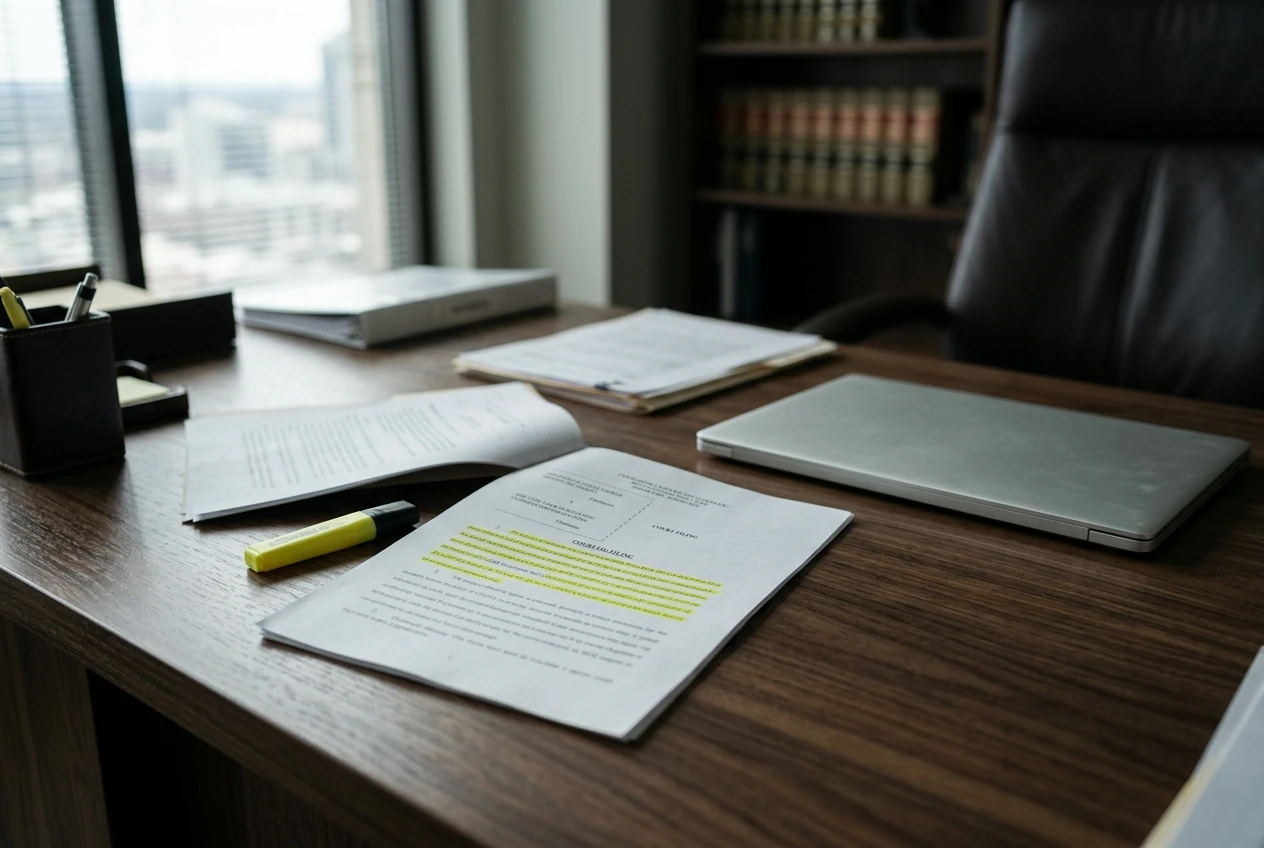
How the Original Filing Reads
Ted Entertainment, Matt Fisher (the operator of MrShortGame Golf), and Golfholics filed the suit on April 3, 2026. At its center is a study from Apple researchers called STIV: Scalable Text and Image Conditioned Video Generation, in which Apple disclosed that its video generation model was trained using a dataset called Panda-70M. According to the Panda-70M research repository, the dataset is a collection of approximately 70 million video-caption pairs sourced from YouTube. The complaint alleges that Apple’s researchers downloaded the underlying video clips through computers with rotating IP addresses to evade YouTube’s anti-scraping protections.
The plaintiffs say their own content shows up inside the dataset more than 500 times in total. Ted Entertainment’s videos appear 438 times across the group’s channels, MrShortGame Golf’s content appears eight times, and Golfholics’ content appears 62 times. The complaint describes Apple’s conduct as targeting content the platform’s protections are designed to keep from bulk downloaders.
| Plaintiff | Channel(s) | Subscribers | Videos in dataset |
|---|---|---|---|
| Ted Entertainment | h3h3Productions, H3 Podcast | 2.6 million | 438 |
| Matt Fisher | MrShortGame Golf | 500,000+ | 8 |
| Golfholics | Golfholics | 130,000+ | 62 |
The plaintiffs are asking the court to certify a class on behalf of other U.S. creators whose content appeared in the same dataset. The proposed injunction would extend to Apple’s officers, agents, employees, attorneys, directors, and ‘all others in active concert or participation’ with the company.
The same plaintiffs have filed near-identical lawsuits against several other defendants over the same kind of conduct:
- Meta
- Nvidia
- ByteDance
- Snap
- Amazon and OpenAI (sued separately over Panda-70M)
All five defendants share the same accusation at the core: scraping YouTube videos despite platform protections against doing so. Apple’s motion to dismiss is the first formal response from any of them.
What the Plaintiffs Want the Court to Award
The damages path in the complaint runs through 17 U.S.C. §1203, the civil remedies section of the DMCA. Plaintiffs ask the court to award the maximum statutory damages the statute allows per violation. The request is paired with a demand for a court declaration that Apple ‘willfully circumvented’ YouTube’s copyright protection systems. A permanent injunction would bar any further scraping conduct Apple might otherwise attempt.
An injunction, if granted, would extend to Apple’s officers, agents, employees, attorneys, directors, and ‘all others in active concert or participation’ with the company. The breadth is meant to bind Apple’s full corporate footprint, not just the entity named in the complaint. Statutory damages under §1203 run up to the limits the statute sets, with enhanced amounts available for willful violations.
…an unconscionable attack on the community of content creators whose content is used to fuel the multi-trillion-dollar generative AI industry without any compensation.
The phrasing appears in the complaint Ted Entertainment and the other plaintiffs filed on April 3 in the Northern District of California. The plaintiffs have not yet filed their reply brief on the motion to dismiss.
Why the Section 1201(a) Ruling Reaches Beyond Apple
The text of Section 1201(a), the DMCA subsection Apple leans on, bars circumvention of a technological measure that ‘effectively controls access’ to a copyrighted work. The 1201(a) question in this case turns on what ‘controls access’ means when the work is already publicly viewable. Apple’s posture, as described by Law360, is that the creators are ‘suing under the wrong part of the law.’
The same Section 1201 framework underpins parallel AI scraping suits the same plaintiffs filed against Meta, Nvidia, ByteDance, and Snap. Apple’s motion is the first of those cases to put a public-versus-controlled-access reading in front of a court.
The damages path tied to Section 1201 runs through 17 U.S.C. §1203, the civil remedies section cited in the complaint. Statutory damages on a Section 1201 violation attach per alleged act of circumvention rather than per infringed work. That structure is why the plaintiffs sought the maximum statutory award rather than a single aggregate dollar figure.
Apple has argued elsewhere that it prefers to license training data legitimately. In 2023, the company pursued content deals with Condé Nast, IAC, and NBC News, according to AppleInsider reporting on the underlying lawsuit. Parallel litigation also tagged Apple as a defendant: in March 2026, it was named alongside other companies in a lawsuit over ‘The Pile,’ an alleged shadow library of pirated texts used to train language models. The juxtaposition is now part of the case: Apple arguing a public-access defense while facing a parallel AI-scraping suit over an unrelated dataset.
- 70 million video-caption pairs in Panda-70M
- 438 Ted Entertainment videos found in the dataset
- 2.6 million Ted Entertainment’s combined YouTube subscribers
- 500,000+ MrShortGame Golf subscribers
- 130,000+ Golfholics subscribers
The Section 1201(a) Reach Across the Wider AI Field
The court’s ruling will land in the Northern District of California, where the same plaintiffs have filed parallel AI copyright suits against other defendants. Apple’s motion to dismiss is the first major response from any defendant in the wider set of YouTuber scraping cases. How that court reads Section 1201(a) will shape the framing in the plaintiffs’ Meta, Nvidia, ByteDance, and Snap filings.
A ruling in Apple’s favor would give AI defendants a template to argue publicly viewable platform content sits outside the statute. A loss would push defendants back toward defending on narrower grounds: ordinary copyright infringement, fair use, or breach of YouTube’s terms of service.
For now, both sides want a clean win before discovery opens. Apple’s filing goes straight to access-control language, leaving the question of whether AI training counts as fair use out of the early-stage motion. The plaintiffs’ reply brief will, when filed, have to address the public-access framing directly. The court has not yet scheduled a hearing on the motion.
Frequently Asked Questions
What did Apple ask the court to do?
Apple asked the U.S. District Court for the Northern District of California to dismiss the proposed class action at the pleading stage. The company argues that publicly viewable YouTube content does not trigger DMCA Section 1201(a).
What is Section 1201(a)?
Section 1201(a) is the DMCA provision that anti-piracy lawsuits rely on for circumvention claims. It establishes a damages mechanism under 17 U.S.C. §1203 that plaintiffs argue applies to AI scrapers as well as to traditional downloaders.
What is the Panda-70M dataset at the center of the lawsuit?
Panda-70M was built by Snap Research and totals about 70 million paired YouTube video clips and captions. The dataset underpins Apple’s STIV video generation model, according to the complaint.
Has Apple been sued over AI training before?
Apple has separately pursued licensing deals with major publishers, including Condé Nast, IAC, and NBC News. The company was also named as a defendant in March 2026 in a parallel lawsuit over ‘The Pile,’ a dataset allegedly assembled from pirated texts used to train language models.


Workers Still Trust Judgment Over the AI Tools They Use

DigitalOcean’s $894 Million Backlog Rewrites the Old Cloud

Companies Froze Job Design and Called AI a People Problem

AI Capex Looks Unique Because the Chips Wear Out

Samsung Medison’s HERA Z10 Aims at the Sonographer Shortage

GPT-6 Astra Ships as OpenAI’s First Critical Cyber Model

Palms Sells Clean Air Without Ending Casino Smoking

OnlyFans Promo Bots on X Now Pass the Humanity Tests

Datamaran Drops the ESG Label After Winning the Argument

Xiaomi’s Own Chip Lands While Apple Argues Over Color

Oracle Cuts 21,000 Jobs in a Year, Cites AI in 10-K Filing

Fable 5 and Mythos 5 Return as US Lifts Anthropic Export Controls

SpaceX’s Google Deal Turns a Rocket Company Into a Cloud Landlord

CD Projekt Red Co-CEO: Redemption Arc Isn’t Done, Witcher 4 in 2027

XPL Rallies 30% Ahead of Plasma One Card Tier Launch

Google Search Profiles Build a Follow Graph Inside Discover

DGO App Brings Rs 549 Mobile Pass for FIFA World Cup 2026 in Nepal

Moonshot AI Targets $30 Billion in China’s Fastest AI Funding Sprint

Oppo’s ColorOS 17 Eligibility List Leaves A-Series Buyers Behind

Microsoft Xbox Layoffs Start in July as Sharma Slams 3% Margin
-
 AI3 months ago
Oracle Cuts 21,000 Jobs in a Year, Cites AI in 10-K Filing
-
 AI2 months ago
Fable 5 and Mythos 5 Return as US Lifts Anthropic Export Controls
-
 AI3 months ago
SpaceX’s Google Deal Turns a Rocket Company Into a Cloud Landlord
-
 GAMING3 months ago
CD Projekt Red Co-CEO: Redemption Arc Isn’t Done, Witcher 4 in 2027
-
 CRYPTO3 months ago
XPL Rallies 30% Ahead of Plasma One Card Tier Launch
-
 NEWS3 months ago
Google Search Profiles Build a Follow Graph Inside Discover
-
 APPS3 months ago
DGO App Brings Rs 549 Mobile Pass for FIFA World Cup 2026 in Nepal
-
 AI3 months ago
Moonshot AI Targets $30 Billion in China’s Fastest AI Funding Sprint