
CRYPTO
FIFA’s 48-Team World Cup Strains Referees as Kraken Scores a First
Kraken became FIFA’s first-ever crypto exchange sponsor on June 9 as the 2026 World Cup’s 170 referees face record strain across 104 matches.

FIFA is running a 104-match World Cup on a 170-official referee corps that often learns its next assignment just 24 to 48 hours before kickoff. Two days before that schedule kicked off, Kraken signed on as the tournament’s first-ever crypto exchange sponsor.
The expansion that sold Kraken on a brand-new sponsorship category is the same expansion straining the officials who run the games. One referee collapsed mid-match. Others now face bias accusations and dueling disciplinary rulings just as FIFA markets the tournament’s integrity to first-time sponsors.
170 Officials, 104 Matches, One Brutal Rotation
The math starts with the expansion. FIFA grew the field from 32 teams to 48 this year, and the resulting 104-match schedule needed more whistles than any World Cup before it.
FIFA settled on 170 match officials: 52 referees, 88 assistant referees and 30 video assistant referees, or VAR. That is a 23% jump from the record panel FIFA appointed for the tournament compared with 139 officials at the 2022 tournament in Qatar.
| Category | 2022 (Qatar) | 2026 (Canada, Mexico, US) |
|---|---|---|
| Teams | 32 | 48 |
| Matches | 64 | 104 |
| Total match officials | 139 | 170 |
| Assistant referees | 69 | 88 |
| Video assistant referees | 24 | 30 |
Each of the 52 referees is on pace for roughly two matches apiece. The group also includes six female match officials, the most ever named to a men’s World Cup, with Tori Penso and Katia Itzel García becoming the first female on-field referees from the United States and Mexico to work a men’s tournament.
None of them know their next match far in advance. FIFA typically confirms assignments only 24 to 48 hours before kickoff, a window The Guardian has reported creates real anxiety among officials over selection and performance under pressure.
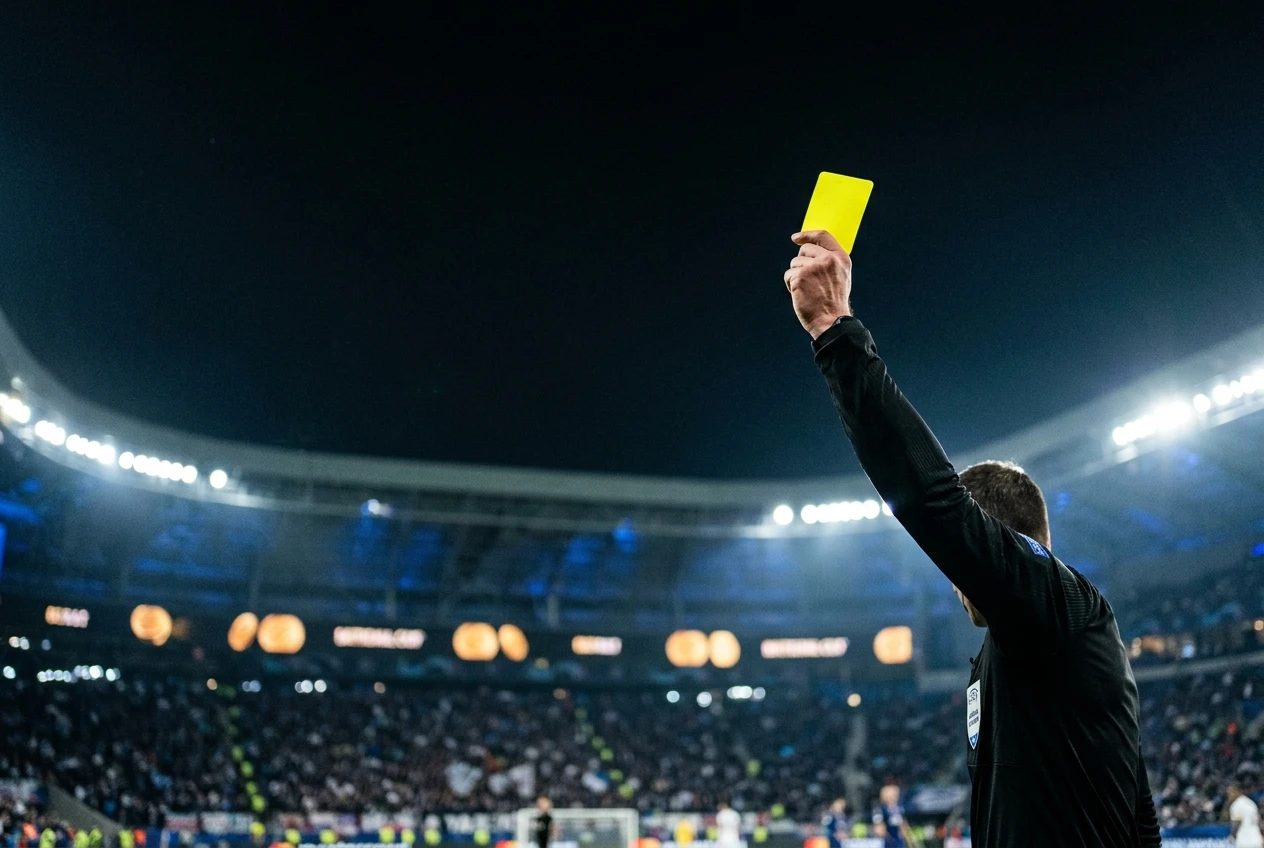
Referees Are Training Like the Players They Officiate
FIFA’s preparation for that workload started long before the draw. “Referee preparation for the 2026 World Cup began almost four years ago,” FIFA told Reuters, describing a program that now treats officials close to the way it treats players.
- GPS trackers monitor referee workload the same way they track outfield players.
- Heart-rate sensors and blood-lactate testing gauge exertion and recovery after matches.
- A Miami base staffed with 12 medical specialists and 10 physiotherapists, plus a chef trained in sports nutrition.
- Hydration supplements and reworked training hours limit exposure to direct sunlight before matches.
The data explains why. Referees cover 12 to 13 kilometres a match, a distance comparable to many outfield players, according to FIFA. High-intensity running can account for more than a third of that movement, with heart rates climbing to 80% to 100% of maximum, all while officials handle everything from Miami’s humidity to the thin air at Mexico City’s Estadio Azteca, more than 2,200 metres above sea level.
The strain still shows. German referee Felix Zwayer collapsed with cramping in stoppage time during the United States’ 2-0 group-stage win over Australia. Players from both teams helped an assistant referee stretch his leg so he could finish the match.
A Three-Week Stretch That Tested the Whistle
Somali official Omar Artan never got the chance to test the new system. He was refused entry to the United States over what officials called vetting concerns, a claim he strongly denied, and FIFA removed him from its list while confirming he would still collect his full tournament salary.
- June 9: Kraken becomes FIFA’s first-ever Official Crypto Exchange Supporter, two days before the opening match.
- June 18: Tori Penso, Brooke Mayo and Kathryn Nesbitt form the second all-female on-field officiating trio in men’s World Cup history, taking charge of Czechia against South Africa in Atlanta.
- July 7: Argentina overturns a two-goal deficit to beat Egypt 3-2 in the round of 16, and Egypt’s coach and federation accuse officials of favoring the defending champions.
- July 9: Former FIFA referees publicly question why England’s Jarell Quansah drew a two-match suspension for a challenge similar to one that let United States striker Folarin Balogun avoid an immediate ban.
Pierluigi Collina, the former elite referee who now chairs FIFA’s Referees Committee, rejected the Egypt bias claims directly. “Constructive discussion about decisions will always be part of football, but unfounded allegations have no place in our sport,” he told inside.fifa.com. Egypt’s football association countered that the officiating had raised real questions about consistency and fairness in how the match was called.
Collina has defended the panel’s credentials all along, calling it “the very best in the world” after a selection process that ran more than three years, with FIFA seminars, including one held in Doha in February, focused on fitness standards and preparing officials for new tempo-focused rules.
Kraken Buys Into FIFA’s Newest Sponsorship Tier
FIFA confirmed Kraken as its Official Crypto Exchange Supporter on June 9, the first time a crypto exchange has carried an official designation in the tournament’s nearly 100-year history. Kraken, powered by its parent company Payward, will run fan activations across all 16 host cities in Canada, Mexico and the United States through the July 19 final.
Football is the one thing that moves the whole planet at once.
Arjun Sethi, co-CEO of Kraken and Payward, said that in the announcement, framing the sponsorship as a bet that crypto and football share the same borderless appeal. FIFA’s partnership announcement projects a cumulative audience beyond six billion people across the tournament’s seven-week run, well above the roughly 5 billion who watched Qatar 2022.
Why Did FIFA Wait Until Two Days Before Kickoff?
Kraken’s deal landed on June 9, days after several other late additions to FIFA’s commercial roster and just before the opening match on June 11. The timing lines up with a cautious crypto market rather than a euphoric one, with Bitcoin trading near $61,000 and sentiment gauges sitting in fear territory when the ink dried.
The category itself is new, not recycled. Algorand powered FIFA’s Collect NFT platform during the 2022 tournament, but that was blockchain infrastructure, not a branded exchange deal. Kraken is the first crypto exchange itself to hold an official FIFA title.
What the Supporter Tier Actually Buys
FIFA sells sponsorship in layers. Partners like Coca-Cola and Adidas sit at the top with multi-cycle global rights. World Cup Sponsors buy tournament-level global rights for a single edition. Supporters, Kraken’s tier, typically get regional rights instead, and Kraken’s activation is concentrated on North America and Europe rather than the whole map.
That regional scope shows up in cost too. Supporter packages have historically run in the low tens of millions of dollars for a tournament cycle, a fraction of the hundreds of millions that top-tier global deals command. Kraken’s exact number has not been disclosed.
The Federations Not Buying In
Not everyone in the tournament followed Kraken’s lead. The United States men’s national team reached the round of 16 with zero dedicated crypto sponsorships, fan tokens or NFT partnerships of its own, despite co-hosting the largest World Cup ever staged. Canada Soccer, fresh off its first-ever World Cup knockout win this cycle, took the same hands-off approach.
Regulators are watching the category closely, too. The United Kingdom’s Financial Conduct Authority (FCA, Britain’s financial watchdog) warned football clubs eight days before kickoff that unauthorized firms could exploit sponsorship trust to break financial promotion rules. “Millions of football fans trust their club’s badge,” Lucy Castledine, the FCA’s director of consumer investments, told Reuters.
Security officials have flagged their own version of that risk. A security incident involving Egypt’s World Cup delegation in Dallas spotlighted fake token offerings, phishing links disguised as ticket portals and fraudulent NFT drops circulating around the tournament’s higher crypto profile. Kraken has run this playbook before with Tottenham Hotspur, Atlético Madrid, RB Leipzig and Williams Racing in Formula 1, and it is racing Coinbase and Kalshi for regulated Bitcoin futures in the US market at the same time it is chasing World Cup fans, and separately rebuilding its trading app around AI agents to hold onto the users this sponsorship is meant to bring in.
Both threads run through the tournament’s final stretch. Kraken’s activation continues through the July 19 final, and fans wanting to catch the remaining knockout rounds can stream the tournament’s remaining knockout matches without a cable package. The officials working that final, like every match before it, still won’t learn they’re holding the whistle until roughly 48 hours out.
Frequently Asked Questions
How Many Match Officials Are Working the 2026 World Cup?
FIFA named 170 total match officials for the tournament: 52 referees, 88 assistant referees and 30 video assistant referees. They come from 50 different national associations spanning all six FIFA confederations, the widest geographic spread ever assembled for a single World Cup.
Who Else Joined FIFA’s Sponsor Roster Alongside Kraken?
Kraken signed in the same late window as Salesforce and the Colombian logistics firm Inter Rápidísimo, both joining FIFA’s commercial roster in the weeks before kickoff. All three arrived well after FIFA’s top-tier Partners and World Cup Sponsors had already locked in their deals.
Did Any World Cup Team Sign Its Own Crypto Sponsorship?
No major federation matched FIFA’s move. The USMNT and Canada Soccer both played deep into the knockout rounds without a crypto or fan-token partner, even as Chiliz, the blockchain company behind the Socios fan-token platform, earmarked as much as $100 million for US soccer development separate from any team-level deal.
What Happened to Referee Omar Artan?
Artan was denied entry to the United States at Miami International Airport over cited “vetting concerns” and an alleged association with suspected terror groups, an allegation he strongly denied. FIFA removed him from its officiating list but confirmed he would still receive his full World Cup salary.
Why Do World Cup Referees Learn Their Assignments So Late?
FIFA finalizes assignments only after weighing form, fitness data and conflict-of-interest rules that keep officials away from matches involving their own confederation or historically sensitive matchups, English referees are not assigned to Argentina’s games, for instance. That review process, layered with late scheduling changes, keeps the reveal inside a 24-to-48-hour window before kickoff.
Disclaimer: This article is for informational purposes only and does not constitute financial, investment or legal advice. Cryptocurrency markets carry significant risk, including possible loss of principal, and a sponsorship deal does not guarantee returns for any digital asset or exchange. Consult a licensed financial professional before making investment decisions. Figures in this article are accurate as of publication and may change.


South Korea Retail Investors Face Reckoning After KOSPI AI Rally Collapses

Surrey AI Maps Three Heart Attack Paths and Their Molecular Roots

Germany Locks Neutral Apple ATT Prompts Across Most of Europe

Apple’s 5% EU Fee Quietly Rewrites Alternative App Store Math

Apple’s EU Fee Truce Cuts Complexity but Leaves Rivals Fuming

Pixel 11 Pro Fold Trades Thinness for Durability and Seven-Year Stay

Mayo AI Flags HCM Obstruction From Everyday Ultrasound Videos

Indian Brands Quietly Scale Landmark Screens and Home Tech

Navin Vatsa Turns Grief Into a Lifetime of Quiet Seeing

Google Bets Pixel 11 Agentic AI Will Redefine Phones

Oracle Cuts 21,000 Jobs in a Year, Cites AI in 10-K Filing

Fable 5 and Mythos 5 Return as US Lifts Anthropic Export Controls

SpaceX’s Google Deal Turns a Rocket Company Into a Cloud Landlord

CD Projekt Red Co-CEO: Redemption Arc Isn’t Done, Witcher 4 in 2027

XPL Rallies 30% Ahead of Plasma One Card Tier Launch

Google Search Profiles Build a Follow Graph Inside Discover

DGO App Brings Rs 549 Mobile Pass for FIFA World Cup 2026 in Nepal

Moonshot AI Targets $30 Billion in China’s Fastest AI Funding Sprint

Oppo’s ColorOS 17 Eligibility List Leaves A-Series Buyers Behind

Microsoft Xbox Layoffs Start in July as Sharma Slams 3% Margin
-
 AI2 months ago
Oracle Cuts 21,000 Jobs in a Year, Cites AI in 10-K Filing
-
 AI2 months ago
Fable 5 and Mythos 5 Return as US Lifts Anthropic Export Controls
-
 AI3 months ago
SpaceX’s Google Deal Turns a Rocket Company Into a Cloud Landlord
-
 GAMING2 months ago
CD Projekt Red Co-CEO: Redemption Arc Isn’t Done, Witcher 4 in 2027
-
 CRYPTO3 months ago
XPL Rallies 30% Ahead of Plasma One Card Tier Launch
-
 NEWS3 months ago
Google Search Profiles Build a Follow Graph Inside Discover
-
 APPS3 months ago
DGO App Brings Rs 549 Mobile Pass for FIFA World Cup 2026 in Nepal
-
 AI3 months ago
Moonshot AI Targets $30 Billion in China’s Fastest AI Funding Sprint