
APPS
Google Finance Lands a Dedicated Android App, 11 Years Late
Google launched a dedicated Finance app for Android on June 25, 2026, with AI-powered Key Moments that explain stock moves and challenge Yahoo Finance and Robinhood.

Google launched a dedicated Google Finance app for Android on Thursday, June 25, 2026, with AI-generated ‘Key Moments’ and a built-in research tool. The standalone app is Google’s first mobile Finance app since the original was pulled from the Play Store in 2015. It puts Google in the same aisle as Yahoo Finance and Robinhood, the two consumer-finance apps TechCrunch’s launch coverage called out as closest rivals.
The app is live in the Play Store today, and an iOS version is planned for later this year. The launch lands alongside the wider Google Finance web experience leaving beta, with portfolios and AI-powered briefings rolling out globally this week. Google framed the update with a line on its own launch announcement: ‘Investing is complex, but staying informed shouldn’t be.’ That same blog post walks through features Google has been testing for nearly a year. The result is a free, first-party finance tracker sitting next to every other app on the user’s Android phone, with an AI explainer built in.
What’s Inside the Android App
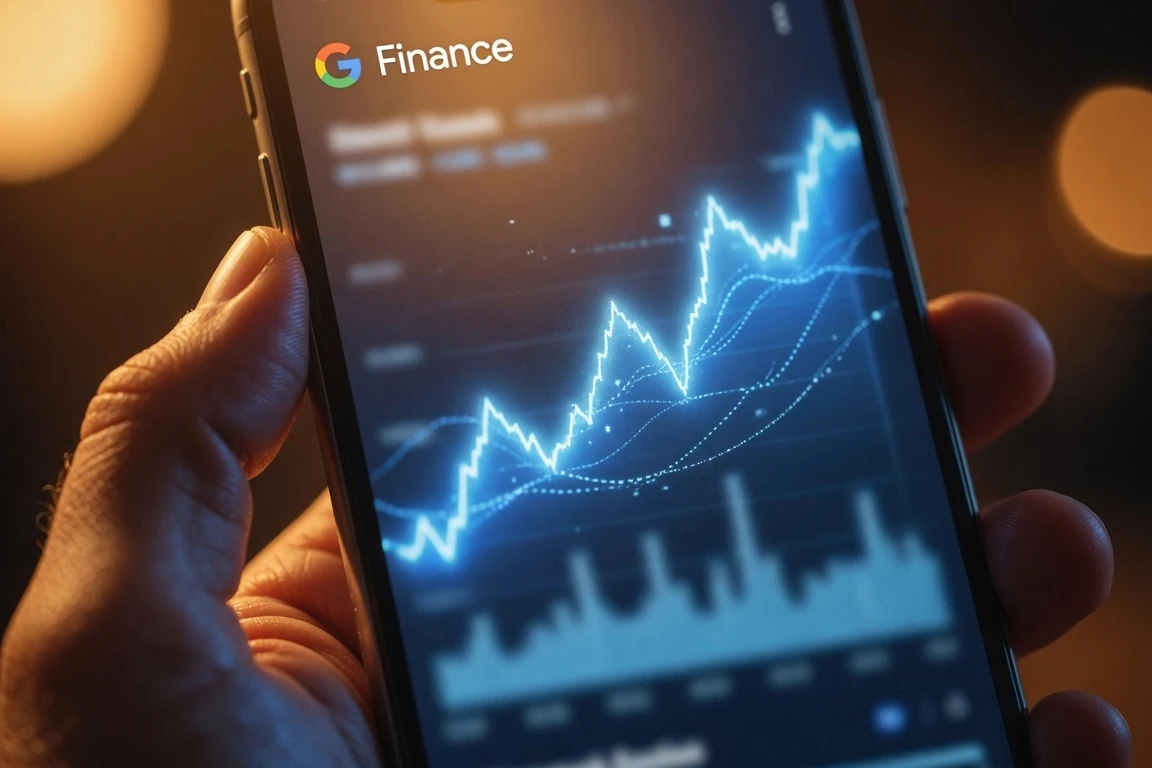
At launch, the Google Finance app for Android gives users a watchlist, real-time market data, and a live financial news feed. A floating ‘Ask’ button opens an AI research tool that can answer questions about stocks and broader market topics. The signature addition is AI-powered ‘Key Moments,’ short generated explanations that appear alongside price charts and tell readers why a stock moved.
Key Moments is the feature Google’s team has been teasing since the web redesign went into beta in August 2025. Each one is a short, generated summary that connects a price change to a recent headline, earnings report, or sector move. The Android app uses Material 3 Expressive, Google’s latest design language, and places the Ask research tool inside a floating toolbar in the corner. Gemini models power both the Ask tool and Key Moments on the app. Existing Google Finance portfolios on the web do not carry over to the mobile app yet, though that capability is on the roadmap for later in the year.
The at-launch feature set is intentionally lean, focused on the highest-frequency investor action: checking the market and reading the news. More advanced tools, including portfolios and scheduled AI briefings, ship on the web today and will follow into the app.
| Feature | Android app | Google Finance web |
|---|---|---|
| Watchlist | Yes | Yes |
| Real-time market data | Yes | Yes |
| Live financial news feed | Yes | Yes |
| AI research tool (Ask) | Yes | Yes |
| Key Moments | Yes | Yes |
| Portfolios | Web exclusive | Yes |
| Scheduled AI briefings | Web exclusive | Yes |
| Live earnings calls | Web exclusive | Yes |
The Web Experience Gets the Same Tools
The Android launch is the visible half of a bigger Google Finance update. The web version is also coming out of beta this week, with two new features Google has been testing since 2025. Portfolios are rolling out globally on the web, alongside a new system for scheduling recurring AI briefings.
Portfolios pull every holding into a single dashboard that shows performance and asset allocation. Existing Google Finance portfolios migrate automatically, while new ones can be built by uploading CSV or PDF files, importing screenshots of holdings, or describing investments in natural language. Once a portfolio is set up, the same AI research tool can answer deeper questions, like which sectors are underrepresented in the user’s holdings or how their fixed-income mix might shape long-term growth. The dashboards also show insights tailored to the user’s actual investments, not just a generic market summary.
The second web feature is scheduled AI briefings, a tasks system that runs in the background. Users describe a task in plain English, such as ‘Send me a daily pre-market briefing analyzing significant overnight moves across major cryptocurrencies,’ and Google Finance runs it on a custom schedule. Notifications arrive through the Google app on Android and iOS, and the briefings also surface in the research panel on the web.
The task feature is available globally today on the web, with mobile support to follow in the coming months. The web experience will continue to host the more complete feature set while the mobile app catches up.
Eleven Years After the Original App Disappeared
Google Finance has been around for 20 years, long enough that it initially relied on Flash to display charts and graphs. An early Android app shipped with the service, but Google quietly removed it from the Play Store in 2015. That left the brand living mostly through Search results and the web dashboard for the next decade. Thursday’s Android launch is, in effect, the first standalone Google Finance app users have been able to download since the original was pulled.
The road to this moment runs through Google’s larger AI push. The current Google Finance redesign, the one that ships today, entered beta in August 2025, with Gemini models powering the research tool and AI summaries. Key Moments first appeared in the Finance web interface in May 2026, before the Android app was finished. The web overhaul and the mobile app were always going to ship together, Google said, because the mobile experience pulls from the same AI features built for the redesigned web. Ars Technica, covering the launch, noted that the AI-powered makeover for the Finance website is also leaving beta this week.
Where Google Sits Against Yahoo Finance and Robinhood
TechCrunch was direct about the strategic picture in its launch coverage: ‘Google launching a stand-alone finance app is likely less about giving investors another place to check stock prices and more about Google trying to stake a claim in the increasingly crowded financial information app market.’ The piece named Yahoo Finance and trading platform Robinhood as the two closest competitors. Robinhood is a brokerage, while Yahoo Finance is primarily a news, data, and portfolio-tracking platform.
Google’s edge is distribution. The Google Finance app is free, first-party, and sits one tap from the Search widget that most Android phones already ship with. The Play Store listing puts it next to every other finance tool the user has installed, with no sign-up friction beyond a Google account. That reach is the part incumbents cannot easily copy, since none of them own the launcher, and the same Android phone that ships with Google Search, Gmail, and YouTube now ships with a Google-built finance tracker. The wider pattern of finance players consolidating tracking, news, and AI into single mobile surfaces is visible in Mahindra Finance’s rural super-app bet and elsewhere.
The trade-off is scope. Google Finance does not let users place trades or hold custody of securities, and the new app is a tracker plus an AI research surface, with portfolios and screeners arriving later.
The AI Caveat Investors Should Weigh
Investing is complex, but staying informed shouldn’t be.
That line opens Google’s launch announcement for the new app, and it sets the tone for the most consequential new feature. AI-powered Key Moments generate short summaries that explain why a stock moved, pulling from headlines, earnings news, and broader market context. The summaries sit next to a real price chart on the same screen, which makes the experience feel more grounded than a generic chatbot overlay. Google’s framing is explanatory, with no claim that the model is right every time.
Generated finance explanations can be wrong, and a reader on the Ars Technica launch story caught the tension in one line. The same comment called it ironic to bolt a hallucinating AI onto a financial tool while pointing users to a professional for the actual insight. The concern is that Key Moments and Ask sit next to a real price chart on the same screen, with their outputs presented as explanations rather than guesses.
The AI research tool behind Ask can also produce confident answers that are not true, the same failure mode that has tripped up financial chatbots from other vendors. Google’s own support page for Google Finance carries Google’s own AI warning directly: ‘AI can make mistakes. Always independently verify financial data and consult with a licensed financial advisor or professional before making any investment decisions.’ Investors using the app to track a position should still verify any AI-generated reason against the linked news and the company’s filings before acting on it. The Key Moments label is descriptive of the surface, with no guarantee of correctness. The AI does the explaining, and the user still has to check.
For most retail investors the practical read is straightforward. Key Moments is a starting point, not a final answer, and the app surfaces the underlying chart and news so users can check the AI’s work. Google’s research tool is best used for questions about structure, like asset allocation or sector exposure, where the model is reasoning over inputs the user has already provided.
What’s Still Coming to the Phone
The Android app that shipped on June 25 is a starting point, not the finished product. Google has confirmed that portfolios, the new task-based briefings, and live earnings call audio are all planned additions to the mobile experience, scheduled to arrive over the coming months. Those features live on the web today, and Google’s own support documentation calls them ‘currently exclusive to the web experience’ with plans for them to ‘roll out to mobile in future updates.’ The same documentation confirms an iOS version is ‘coming soon,’ though the company has not given a specific date.
Until then, the web remains the more complete Google Finance experience. Investors who want portfolios, scheduled briefings, and live earnings calls on day one should use the web dashboard and treat the Android app as a fast, watchlist-first companion. The shape of the final product looks closer to a Google-built investing assistant than a simple stock tracker, with Google’s own statement on the launch setting the bar: make staying informed feel easier, and let the AI do the explaining.
Frequently Asked Questions
When did Google launch the dedicated Finance Android app?
The dedicated Google Finance app for Android became available on the Play Store on Thursday, June 25, 2026, the same day the web version came out of beta with portfolio and scheduled-briefing tools.
What is Google Finance’s Key Moments feature?
Key Moments is an AI-generated summary that appears next to stock price charts in the new Google Finance app and explains why a stock moved, drawing on headlines, earnings news, and broader market context.
Will there be an iOS version of the Google Finance app?
Google has confirmed an iOS version of the Google Finance app is coming later in 2026, though the company has not given a specific release date.
Can I track my existing portfolio in the new Google Finance app?
Not at launch. Portfolios roll out globally on the Google Finance web experience the week of June 25, 2026, and the company says the same feature will reach the Android app over the coming months.
What is new in the Google Finance web experience this week?
The new Google Finance web experience leaves beta on June 25, 2026, with two additions: a portfolio dashboard that consolidates holdings with asset-allocation insights, and a tasks feature that lets users schedule recurring AI briefings like a daily pre-market note.
Disclaimer: This article is for informational purposes only and does not constitute financial advice. Investing involves risk, including the loss of principal, and AI-generated explanations on Google Finance may contain errors. Consult a qualified financial professional before making investment decisions. Figures and features described are accurate as of publication on June 27, 2026.


Sony’s 10 Percent Disc Drop Leaves the 2028 Cutoff Intact

Chip Allocation Sidelines the Base iPhone 18 This Fall

Miami-Dade Fights the Vice City Brand It Already Wears

IFA 2026 Awards Put Tecno Ahead of Flagship Phones

USB-C Gadgets Made the Junk Drawer Rechargeable

Pixel 11 Pro Asks $1,099 for a Light Google Locked

The iPhone Ultra Sells Two Retired Minis as One Foldable

Google Opens Gmail to Voice and Gates Docs Live

Lenovo Prices the IdeaPad Vibe Against Apple’s $699 Neo

Xbox Caps Game Pass Cloud Gaming at 15 Hours

Oracle Cuts 21,000 Jobs in a Year, Cites AI in 10-K Filing

Fable 5 and Mythos 5 Return as US Lifts Anthropic Export Controls

SpaceX’s Google Deal Turns a Rocket Company Into a Cloud Landlord

CD Projekt Red Co-CEO: Redemption Arc Isn’t Done, Witcher 4 in 2027

XPL Rallies 30% Ahead of Plasma One Card Tier Launch

Google Search Profiles Build a Follow Graph Inside Discover

DGO App Brings Rs 549 Mobile Pass for FIFA World Cup 2026 in Nepal

Moonshot AI Targets $30 Billion in China’s Fastest AI Funding Sprint

Oppo’s ColorOS 17 Eligibility List Leaves A-Series Buyers Behind

Microsoft Xbox Layoffs Start in July as Sharma Slams 3% Margin
-
 AI3 months ago
Oracle Cuts 21,000 Jobs in a Year, Cites AI in 10-K Filing
-
 AI2 months ago
Fable 5 and Mythos 5 Return as US Lifts Anthropic Export Controls
-
 AI3 months ago
SpaceX’s Google Deal Turns a Rocket Company Into a Cloud Landlord
-
 GAMING3 months ago
CD Projekt Red Co-CEO: Redemption Arc Isn’t Done, Witcher 4 in 2027
-
 CRYPTO3 months ago
XPL Rallies 30% Ahead of Plasma One Card Tier Launch
-
 NEWS3 months ago
Google Search Profiles Build a Follow Graph Inside Discover
-
 APPS3 months ago
DGO App Brings Rs 549 Mobile Pass for FIFA World Cup 2026 in Nepal
-
 AI3 months ago
Moonshot AI Targets $30 Billion in China’s Fastest AI Funding Sprint