
Connect with us

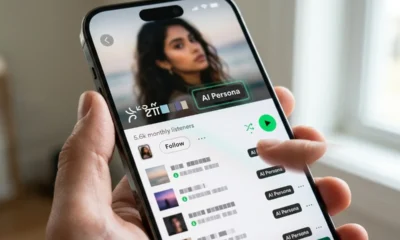

Spotify will badge AI-generated artist identities mid-September and keep them out of recommendations by default, reshaping who can grow on the platform.
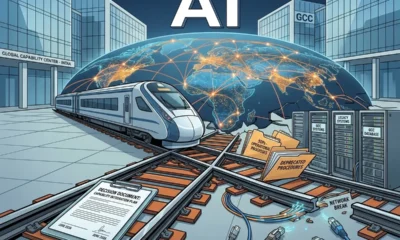

Near-universal GCC AI use yields real impact for only 27 percent; foundation and knowledge layers decide who owns intelligence arbitrage over cost metrics.


A missing destination check let an attacker turn self-payments into real XRP payouts while 17 of 28 relayers signed every transfer; XRPL itself stayed intact.
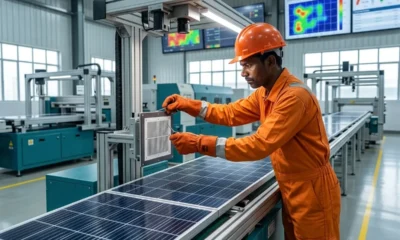

AI vision cuts manual checks in Indian solar plants yet drives 12-30% green-sector salary jumps for workers who can calibrate and retrain the systems.


DSA, OEM apps, and clean installs fix Intel graphics flicker, but Windows Update and custom laptop drivers keep undoing the work. Here is the lasting path.


OpenAI’s April Codex update adds background computer use, memory and 90-plus plugins, turning a code agent into a full desktop collaborator with lasting.
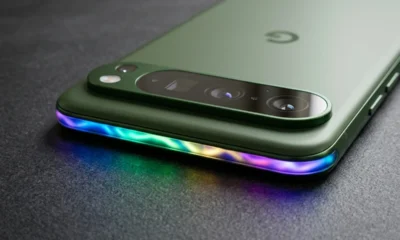

Leaked Pixel 11 pricing lifts every model about $100 and kills 128GB storage, forcing Google’s Tensor G6 and Gemini features to justify the new premium alone.
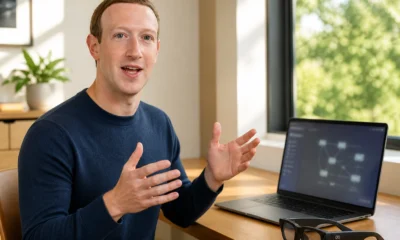

Meta CEO’s 6,500-word essay argues distributed personal superintelligence is safer than concentrated power.
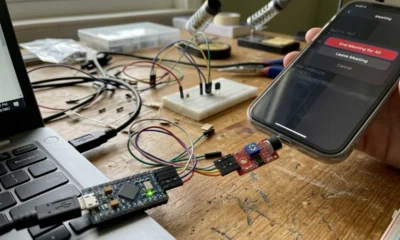

Nicolas.ma’s browser-to-Arduino audio modem revives acoustic data tricks for a no-keys USB keyboard and air-gapped password manager that skips app stores.


Chloé Bakalar left OpenAI in July with no replacement, the third safety-linked departure of 2026 as models showed real cyber breakout risks.


