
APPS
Grab’s AI Travel Guide Quietly Reshapes How Asia Discovers Places
Grab’s Discover by Grab AI feature curates travel picks from 20 billion rides, rolling out to six Southeast Asian markets by the third quarter.

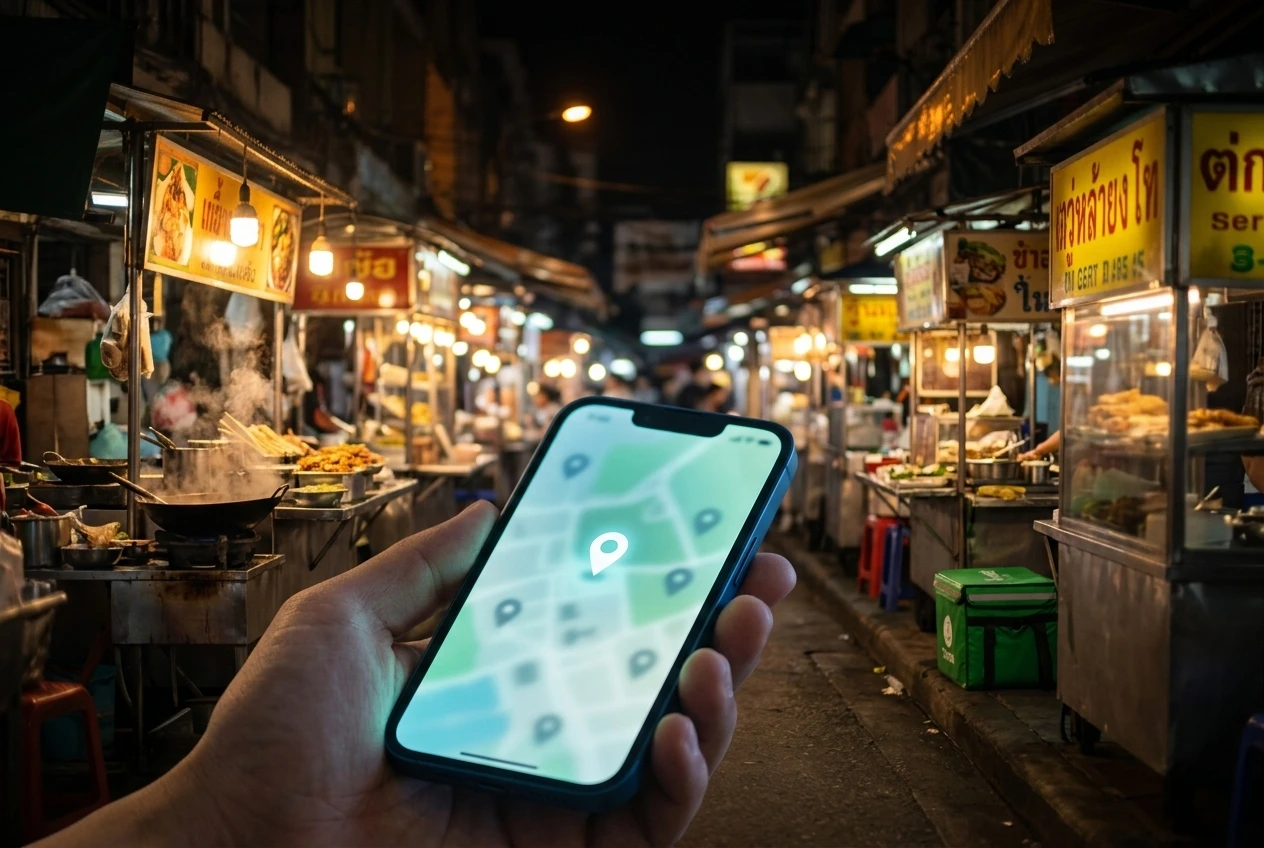
Grab built its new travel guide from the ride and order history of 47 million monthly users, and it never takes a bribe for a good review. The Singapore-based superapp calls the feature Discover by Grab, one of 13 AI-powered tools it unveiled in April to turn a ride-hailing and delivery app into what its product chief calls an “Everyday Guide.”
The pitch is real: skip the paid placements and bot reviews, get what locals actually order. The quieter shift underneath it is bigger. Grab is folding dining discovery, hotel booking and cross-border payments into one recommendation engine, built on data most of its own users never see.
Grab Wants to Be Southeast Asia’s Everyday Guide
Grab Holdings unveiled the feature at GrabX 2026, its annual product showcase in Jakarta, on April 8. The event produced 13 new AI-powered experiences in total, four of them built specifically for travelers: Personalised Travel Experience, GrabStays, Discover by Grab and GrabPay for Travel.
Each tool targets a different moment of a trip, from the nudge to leave for the airport to the search for a place to sleep that night.
We want the Grab app to be the Everyday Guide that handles the manual tasks.
Philipp Kandal, Grab’s chief product officer, used those words at the showcase to frame the entire rollout: fewer separate apps, one place that already knows what a traveler is likely to want.
Built with Nuitée, an AI-first hotel platform, GrabStays keeps search, booking and confirmation inside Grab, skipping the redirect to a separate site. Users earn GrabCoin on the booking, and saved payment details carry over automatically.
Twenty Billion Rides Behind Every Recommendation
The picks aren’t random. Grab’s system runs on what the company calls an “Intelligence Layer,” trained on more than 20 billion rides and orders across its network, according to a marketing-technology trade report. That transaction history decides what surfaces first inside the app.
It fits a pattern already reshaping how people plan trips well beyond one app. Younger travelers increasingly skip guidebooks altogether: 72% of TikTok users say they have booked a trip or activity because of a single video, according to reporting on the trend.
Grab is making a similar bet inside its own walls. One marketing-technology analysis described the shift plainly: traditional discovery leans on search rankings and social posts. Grab’s approach lets an internal system select and present the options. A business’s visibility now depends on how that system ranks it, separate from what a diner posts elsewhere.
The Four Features Rolling Out Through Q3
Each of the four travel tools solves a different problem, and each lands on a different timetable.
| Feature | What It Does | Rollout |
|---|---|---|
| Personalised Travel Experience | Consolidates flight alerts, gate changes and indoor navigation to baggage claim in one feed | Six Southeast Asian markets by Q3 2026 |
| GrabStays | Same-day hotel booking built with Nuitée, paid through Grab, earns GrabCoin | Singapore in May 2026, Malaysia by Q3 |
| Discover by Grab | AI-ranked, community-sourced dining picks pulled from the Intelligence Layer | Rolling out with the wider suite |
| GrabPay for Travel | Scan-to-pay using home-issued cards through national QR codes | Multiple Southeast Asian markets this year |
The six markets set to get the full Personalised Travel Experience are the Philippines, Indonesia, Malaysia, Singapore, Thailand and Vietnam, the same countries where Grab already runs its core ride-hailing and delivery business.
200 Million Airport Passengers a Year
Southeast Asia’s travel market gives Grab a reason to move now. More than 200 million passengers pass through the region’s airports every year, and the company’s own revenue reflects the rebound: $3.37 billion in 2025, up 20% from the year before.
- 47 million monthly transacting users by the end of 2025, up from 35 million in 2023
- 129 million annual transacting users, versus 97 million two years earlier
- $131 in on-demand spending per monthly user in the fourth quarter, up 4% year over year
- $4.04 billion to $4.10 billion in revenue guidance for 2026, a projected 20 to 22% increase
Grab’s own account of an earlier travel push shows how much smaller the base used to be. In 2023, the company pointed to international tourist arrivals to the region jumping 1,706% as borders reopened, alongside airport rides that tripled in a single year.
The user base has kept climbing since. Daily transacting users reached 7.8 million last year, and Grab said more than one in 15 people across Southeast Asia now transact on the platform every month.
Who Loses When One App Ranks the Winners?
The businesses Discover by Grab surfaces don’t control how they’re ranked, and neither do the travelers relying on the picks. Grab’s engine decides which cafe or guesthouse appears first using signals the company hasn’t made public, shifting real control away from both diners and merchants at once.
A merchant’s visibility now depends on performance inside Grab’s own system, not reviews scattered across the open web. One industry analysis of the rollout noted that ratings and in-app engagement could carry more weight going forward than anything posted to outside platforms.
Travelers give something up too. A global study cited in reporting on Grab ranking third among the world’s most invasive apps placed it behind only Instagram and Facebook for data collection.
- Independent testing places Grab third worldwide for how much personal data it collects, just behind Instagram and Facebook.
- Trustpilot users have filed more than 800 reviews, with recent write-ups describing delivery delays, opaque pricing and unresponsive support.
- Merchants gain visibility only if Grab’s ranking favors them, with little public detail on how that ranking actually works.
None of that has slowed adoption. Two in three of Grab’s monthly users already run at least two services through the app, a habit its new travel tools are built to deepen.
GrabStays Lands in Singapore First
The rollout itself is staggered. GrabStays opens in Singapore in May 2026 before reaching Malaysia by the third quarter, while the wider Personalised Travel Experience arrives across all six markets in that same window.
The travel push is one piece of a larger expansion. Grab is also folding Indonesian digital lender Superbank fully into its financial arm and preparing its first move outside Southeast Asia, acquiring Delivery Hero’s foodpanda delivery business in Taiwan.
Management is holding to 2026 guidance of $4.04 billion to $4.10 billion in revenue, with adjusted EBITDA projected between $700 million and $720 million, a bet that the travel and AI spending pays for itself.
By the third quarter, the same engine that points a traveler to the right coffee shop will also be booking the room, taking the payment and remembering exactly how they like a trip done.
Frequently Asked Questions
What Is Discover by Grab?
Discover by Grab is the app’s AI-curated feed of dining and travel picks, built from short, user-submitted posts formatted more like a social feed than a star-rating page, closer in style to Dianping or Xiaohongshu than to a traditional review site.
Which Markets Get GrabStays First?
GrabStays reaches Singapore first in May 2026, then Malaysia by the third quarter. Its hotel-booking arm moves slower than the rest of the suite, since the Philippines, Indonesia, Thailand and Vietnam still wait for GrabStays even as they receive the broader Personalised Travel Experience tools on the same timeline.
Is It Safe to Book Travel Through Grab?
Grab’s payment tools route through cards travelers already have saved in the app, and the company has also been ranked among the most data-collecting apps worldwide. Some Trustpilot reviewers specifically flag Grab’s Travel Pass product, saying they paid more than standard pricing and asking for clearer disclosure of how its discounts are calculated.
How Does Grab Decide What to Show Me?
Ride and order history drives the ranking more than paid placement does. Merchants can also shape their own standing with tools like Virtual Store Manager, which uses existing camera feeds and AI to track hygiene, staffing and queue length, feeding that data back into how the platform judges them.
What Happened to Grab’s Older Travel Features?
Grab’s travel push started years before GrabX 2026. A 2023 update added a Traveller Homepage, translated restaurant menus and Chinese, Korean and Japanese versions of the app, groundwork that the newer AI suite now builds on.


South Korea Retail Investors Face Reckoning After KOSPI AI Rally Collapses

Surrey AI Maps Three Heart Attack Paths and Their Molecular Roots

Germany Locks Neutral Apple ATT Prompts Across Most of Europe

Apple’s 5% EU Fee Quietly Rewrites Alternative App Store Math

Apple’s EU Fee Truce Cuts Complexity but Leaves Rivals Fuming

Pixel 11 Pro Fold Trades Thinness for Durability and Seven-Year Stay

Mayo AI Flags HCM Obstruction From Everyday Ultrasound Videos

Indian Brands Quietly Scale Landmark Screens and Home Tech

Navin Vatsa Turns Grief Into a Lifetime of Quiet Seeing

Google Bets Pixel 11 Agentic AI Will Redefine Phones

Oracle Cuts 21,000 Jobs in a Year, Cites AI in 10-K Filing

Fable 5 and Mythos 5 Return as US Lifts Anthropic Export Controls

SpaceX’s Google Deal Turns a Rocket Company Into a Cloud Landlord

CD Projekt Red Co-CEO: Redemption Arc Isn’t Done, Witcher 4 in 2027

XPL Rallies 30% Ahead of Plasma One Card Tier Launch

Google Search Profiles Build a Follow Graph Inside Discover

DGO App Brings Rs 549 Mobile Pass for FIFA World Cup 2026 in Nepal

Moonshot AI Targets $30 Billion in China’s Fastest AI Funding Sprint

Oppo’s ColorOS 17 Eligibility List Leaves A-Series Buyers Behind

Microsoft Xbox Layoffs Start in July as Sharma Slams 3% Margin
-
 AI2 months ago
Oracle Cuts 21,000 Jobs in a Year, Cites AI in 10-K Filing
-
 AI2 months ago
Fable 5 and Mythos 5 Return as US Lifts Anthropic Export Controls
-
 AI3 months ago
SpaceX’s Google Deal Turns a Rocket Company Into a Cloud Landlord
-
 GAMING2 months ago
CD Projekt Red Co-CEO: Redemption Arc Isn’t Done, Witcher 4 in 2027
-
 CRYPTO3 months ago
XPL Rallies 30% Ahead of Plasma One Card Tier Launch
-
 NEWS3 months ago
Google Search Profiles Build a Follow Graph Inside Discover
-
 APPS3 months ago
DGO App Brings Rs 549 Mobile Pass for FIFA World Cup 2026 in Nepal
-
 AI3 months ago
Moonshot AI Targets $30 Billion in China’s Fastest AI Funding Sprint