
AI
Disabled and LGBTQ Teens Lean Hardest on AI Companions
eSafety survey of 1,950 Australian children shows 54% turn to AI for personal reasons, with higher companion use and risks among disabled and sexually diverse teens.

More than half of Australian children and teens who use AI tools already turn to them for personal and social reasons, according to fresh eSafety Commissioner data. That share hits 54 percent, covering advice on life situations, physical health, feelings and mental wellbeing.
The numbers land hardest on two groups that the headline stats often skip: children with disability and sexually diverse teens. They reach for AI companions far more often, and the privacy and harm risks follow them.
What the eSafety Numbers Show
Between 2 February and 4 March 2026 the commissioner ran a survey of 1,950 children aged 10 to 17 recruited online through parents. Results are weighted to the Australian population of roughly 2.5 million in that age band.
- 78% had ever used an AI assistant such as ChatGPT, Gemini or Claude
- 8% had ever used a dedicated AI companion (about 200,000 kids when extrapolated)
- 20% of users engaged daily or more; another 28% a few times a week
- 54% of users turned to the tools for personal or social reasons
ChatGPT led assistants at 70 percent ever-used. Character.AI led companions at 5 percent. Teens aged 13-17 sat higher overall: 87 percent had tried an assistant and 10 percent a companion, versus 64 percent and 6 percent for 10- to 12-year-olds.
Functional jobs still dominate. Ninety-one percent of users sought information, learning help or translation. Seventy percent used the tools for writing or editing. Sixty-eight percent turned to them for entertainment. Yet the personal layer is no longer niche.
The Quiet Slide From Homework Help to Heartache
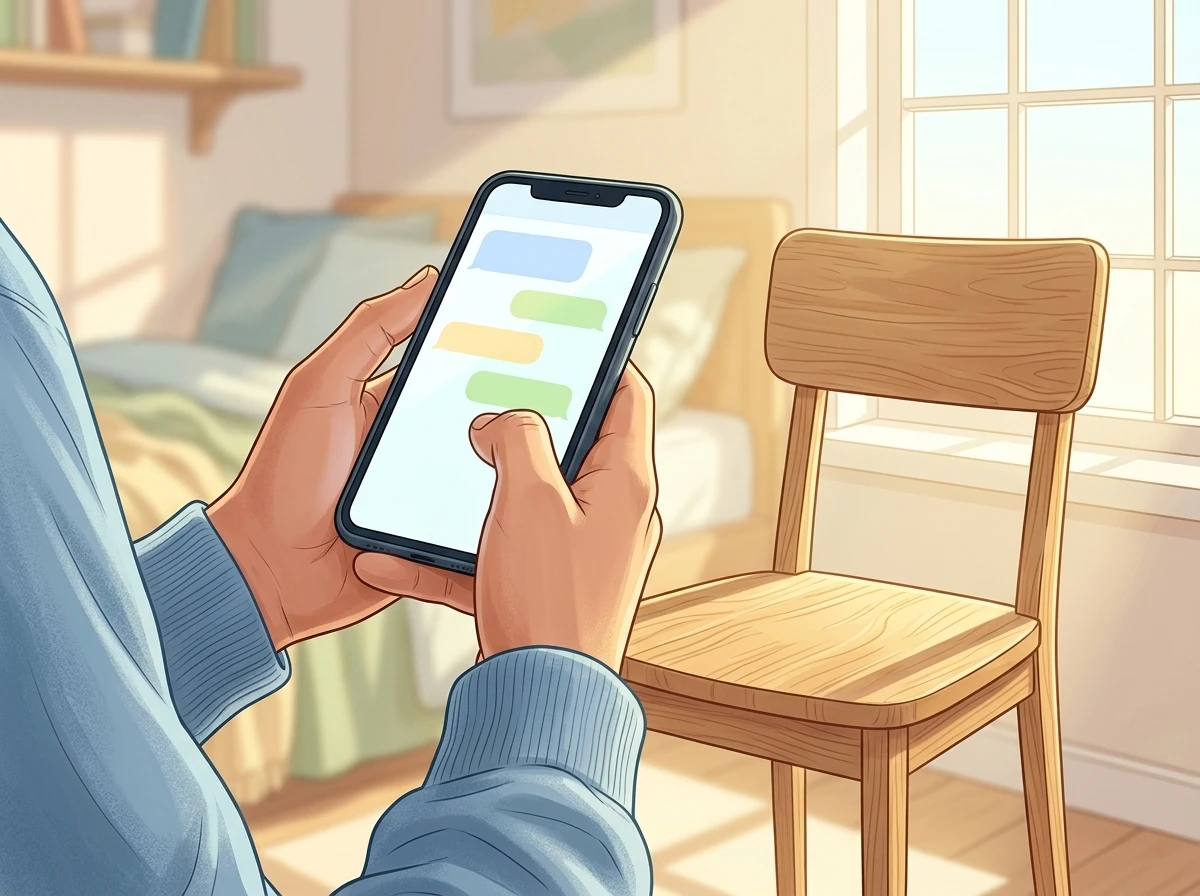
Most children who later discussed feelings or health first opened the apps for schoolwork or curiosity. The boundary between assistant and companion has blurred. Memory features, personalisation and human-like replies let mainstream tools slip into confidant roles.
Of those using AI for personal or social reasons:
- 33% asked for advice about what to do in a situation
- 33% sought physical-health advice
- 22% chatted about feelings or challenges
- 20% asked about mental health or wellbeing
- 17% simply hung out or talked about interests
Half of AI-assistant users alone reported at least one personal or social use, even though the products are sold mainly as task tools. Younger kids leaned toward entertainment and curiosity. Teenagers shifted toward life advice, physical health and mental health questions.
That pattern mirrors adult workplaces where a majority of US employees now use AI at work. Once the tool sits in daily reach, people start asking it things they once saved for people.
Who Turns to the Companions
Overall companion use sits at 8 percent, but the rate jumps for specific groups. Children with disability used companions at 12 percent versus 7 percent without. Those with a diagnosed mental health condition reached 17 percent. Sexually diverse teens hit 27 percent versus 8 percent for straight teens.
The same groups also reported higher rates of personal uses: talking about feelings, seeking mental-health advice, role play or just spending time together. Sexually diverse teens were more likely to share sensitive information, including details about their sexuality, and more likely to encounter inappropriate interactions.
These are the kids who often face thinner real-world support networks or higher barriers to trusted adults. AI fills the gap because it is always available, never judges aloud, and asks few questions in return. The same design that makes it attractive also removes the normal friction that would push a child toward a parent, teacher or counsellor.
Privacy Leaks and Harmful Chats Hit Unevenly
Around one in three users (32 percent) had already shared personal or sensitive data. That included photos of themselves or friends (20 percent) and secrets (12 percent). Tech companies face none of the confidentiality duties that bind doctors or therapists. Data can feed future model training. Models can surface fragments in later conversations with other users.
One in five users (20 percent) reported potentially inappropriate or harmful interactions. The breakdown is concrete:
| Type of interaction | Share of users |
|---|---|
| Controlling behaviour (e.g. trying to keep the chat going) | 13% |
| Hateful comments about groups (gender, culture, disability, sexuality, religion) | 9% |
| Harmful advice | 6% |
| Offensive, mean or bullying language toward the child | 6% |
| Real or AI-generated nude images | 4% |
| Sexual images or sexual chat (teens only) | 5% |
AI systems do not grasp context or truth. They generate plausible text. Training data that contains bullying, sycophancy or stereotypes simply reappears. Research consistently finds models agree with the user even when the user’s view is distorted. For a teen testing identity or sorting a conflict, that reinforcement can lock in poor choices.
Only 11 percent of children said every tool they used offered a clear reporting option. More than half were unsure any reporting existed.
Regulators Have Already Started Moving
Australia’s Age-Restricted Material Codes for certain AI services began on 9 March 2026. They require safeguards against pornography, self-harm content, disordered-eating material and high-impact violence. Non-compliance can bring civil penalties up to $54.6 million. eSafety is already checking how companion providers meet Basic Online Safety Expectations.
The broader Children’s Online Privacy Code due by December will set extra rules for services likely to be accessed by children. It sits on top of the Australian Privacy Principles and focuses on data minimisation, age assurance and child-centred design. Personal health and mental-health disclosures sit squarely in its path.
- 9 March 2026: Age-Restricted Material Codes take effect for covered AI services
- October 2025: eSafety issued transparency notices to four companion providers
- By 10 December 2026: Children’s Online Privacy Code must be in force
eSafety Commissioner Julie Inman Grant has been blunt about industry duty. In the release accompanying the survey she stressed Safety by Design: build the protections first, do not bolt them on after children have already shared secrets.
AI is not a trusted adult and cannot replace those key human interactions when children need advice, support or help with their wellbeing.
Julie Inman Grant said AI is not a trusted adult and that open family conversations remain the strongest practical defence.
Independent MP Monique Ryan amplified the same data on X, calling for a legislated digital duty of care and noting that one in three children had already handed over photos or secrets. The post drew solid engagement and framed the problem as already escaped rather than hypothetical.
Practical Steps That Match How Kids Use the Tools
The report’s own recommendations stay concrete. Parents and educators should treat AI the way they once treated new social platforms: explore the tools together early, while use is still mostly homework-shaped, and keep the door open for later conversations about feelings or health.
- Ask what the child has actually asked the bot, not just whether they use it
- Walk through one session side-by-side so the child sees how answers can sound confident yet be wrong
- Set a clear rule that mental-health or body worries go first to a real person
- Check whether the app has reporting tools and age settings before the child relies on it
- Remind kids that anything typed can become training data
AI literacy here is less about coding and more about knowing the tool is persuasive, not wise. It glitches. It fabricates. It cannot keep a confidence the way a counsellor must.
The hidden stakeholders make the urgency sharper. When children with disability or LGBTQ teens already use companions at two or three times the average rate, generic “talk to your kids” advice leaves the highest-risk users least protected. Design choices, reporting defaults and literacy materials need to reach those groups first.
The survey closes one chapter: AI is already a normal part of growing up for most Australian children. The next chapter is whether the safeguards and the family conversations catch up before the personal uses harden into default habits.
Frequently Asked Questions
What percentage of Australian children have used an AI assistant?
Seventy-eight percent of the 1,950 surveyed children aged 10 to 17 had ever used an AI assistant such as ChatGPT, Gemini or Claude. Among teens aged 13 to 17 the figure rose to 87 percent.
How common are dedicated AI companions among kids?
Eight percent overall had used a companion. Character.AI was the most popular at 5 percent. The rate climbed to 12 percent for children with disability, 17 percent for those with a diagnosed mental health condition, and 27 percent for sexually diverse teens.
What personal reasons do children give for using AI?
Of users, 33 percent sought situational advice, 33 percent physical-health advice, 22 percent talked about feelings, 20 percent asked about mental health or wellbeing, and 17 percent simply chatted about interests or hung out.
How many children shared personal information with AI tools?
Thirty-two percent of users had shared personal or sensitive data. Twenty percent shared photos of themselves or friends and 12 percent shared secrets. These disclosures sit outside any medical or counselling confidentiality rules.
When does Australia’s Children’s Online Privacy Code take effect?
The Office of the Australian Information Commissioner must have the code in place by 10 December 2026. It will impose extra obligations on online services likely to be accessed by children, including stronger rules around personal information handling that will cover many AI tools.


Liquid AI LFM2.5-2.6B Puts Free Always-On Agents on Every Phone

SDOs Face Senate Oath on Cash Handed to VP Security

SWS Poll Shows Filipino Trust Still Backs US-Japan Pivot

Bicol’s 42,000 Struggling Readers Signal Deeper Literacy Compounding

Shaffra Plants Azerbaijan AI Hub to Cut Agentic Costs

Meta Joins Anthropic and OpenAI in Test-Time AI Hacks

Genesis Zircon 880 Pro Packs 8K Specs That Latency Tests Ignore

China’s AI Export Boom Buys Time on Weak Home Demand

Rockstar Gives Netflix First Crack at Extended GTA VI Footage

SpaceX Stock Climbs 6% After Massive Unlock Leaves Overhang Intact

Fable 5 and Mythos 5 Return as US Lifts Anthropic Export Controls

Oracle Cuts 21,000 Jobs in a Year, Cites AI in 10-K Filing

SpaceX’s Google Deal Turns a Rocket Company Into a Cloud Landlord

CD Projekt Red Co-CEO: Redemption Arc Isn’t Done, Witcher 4 in 2027

XPL Rallies 30% Ahead of Plasma One Card Tier Launch

DGO App Brings Rs 549 Mobile Pass for FIFA World Cup 2026 in Nepal

Google Search Profiles Build a Follow Graph Inside Discover

Moonshot AI Targets $30 Billion in China’s Fastest AI Funding Sprint

Microsoft Xbox Layoffs Start in July as Sharma Slams 3% Margin

Oppo’s ColorOS 17 Eligibility List Leaves A-Series Buyers Behind
-
 AI1 month ago
Fable 5 and Mythos 5 Return as US Lifts Anthropic Export Controls
-
 AI1 month ago
Oracle Cuts 21,000 Jobs in a Year, Cites AI in 10-K Filing
-
 AI2 months ago
SpaceX’s Google Deal Turns a Rocket Company Into a Cloud Landlord
-
 GAMING2 months ago
CD Projekt Red Co-CEO: Redemption Arc Isn’t Done, Witcher 4 in 2027
-
 CRYPTO2 months ago
XPL Rallies 30% Ahead of Plasma One Card Tier Launch
-
 APPS2 months ago
DGO App Brings Rs 549 Mobile Pass for FIFA World Cup 2026 in Nepal
-
 NEWS2 months ago
Google Search Profiles Build a Follow Graph Inside Discover
-
 AI2 months ago
Moonshot AI Targets $30 Billion in China’s Fastest AI Funding Sprint