
GADGETS
Google Home’s Storytime Fun Hides a Bigger Camera Grab
August 5 Google Home update brings interactive Gemini Storytime plus Eufy Tapo Wyze camera support that quietly strengthens the multi-brand hub.

Google shipped its first August batch for Gemini for Home and the Home app on August 5, adding Interactive Storytime that lets families rewrite plots by voice plus broader live-view support for Eufy, Tapo, Wyze, Reolink and Nanit cameras.
The flashy storytelling feature will own the headlines. The quieter camera pull-in and timer polish may matter more for how sticky the whole system becomes.
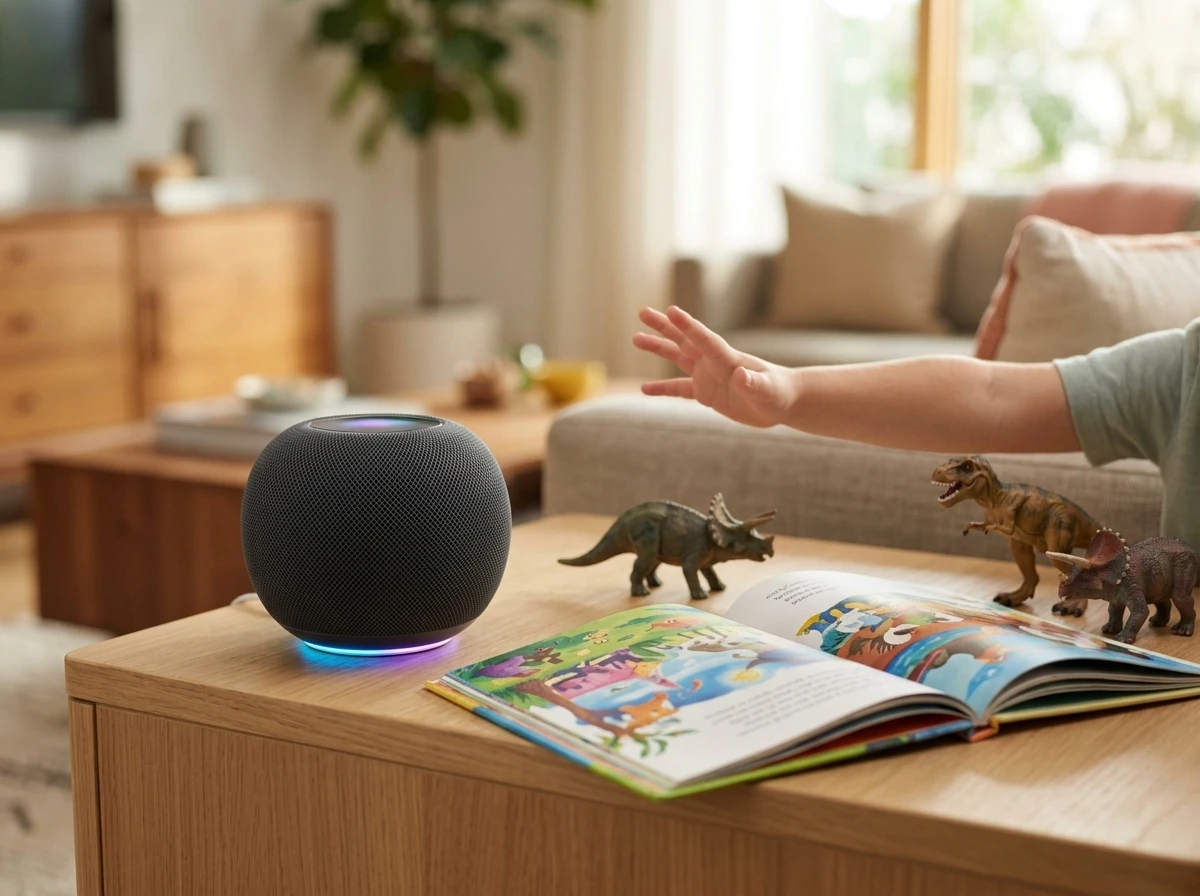
Interactive Storytime Lets Families Rewrite the Plot Live
Gemini for Home (still in early access) now supports Interactive Storytime. Families can co-create original adventures on the fly, jump in mid-scene to change direction, or remix classic fairy tales in real time.
Ask it to invent a story, drop the kids’ names into the adventure, or swap characters. One example Google gives: replace the Big Bad Wolf in The Three Little Pigs with a T. rex. Another: have the hero suddenly find a treasure map.
- Invent a completely original tale on a chosen theme
- Insert real children’s names and details as main characters
- Interrupt and redirect the plot while the story is still being told
- Remix known fairy tales with wild new elements
The feature works as a live loop rather than a fixed recording. A parent or child can pause the narrative, issue a new direction, and hear the assistant fold that change into the next sentences without restarting from scratch.
That flexibility turns a single request into an extended session. Once names and personal details sit inside the cast, the story stops feeling generic and starts feeling owned by the household.
Some observers already note the irony. Bedtime stories usually aim to slow kids down. An interactive plot that keeps everyone inventing twists could do the opposite and keep minds spinning longer.
Whether that energy helps or hinders the wind-down routine will depend on how each family uses the interrupt controls. The same tools that let a child insert a treasure map also let an adult steer the tale back toward quieter ground.
Timers and Alarms Finally Speak Natural Language
Everyday voice controls received practical upgrades. Gemini now better understands natural-language alarm and timer requests and remembers whether a household prefers a 12-hour or 24-hour clock.
It answers “how much time is left on the timer” more reliably. It also handles softer requests such as setting a timer for cooking a soft-boiled egg without needing exact minutes every time.
- Natural-language parsing for alarms and timers
- Household clock format memory (12-hour or 24-hour)
- More reliable remaining-time answers
- Softer cooking-style requests without exact minute counts
These changes cut the friction that once forced users to restate commands in rigid syntax. A kitchen request can now sound like ordinary speech and still land correctly.
On the hardware side, turning lights off or dimming them now triggers a distinct soft descending chime instead of the usual upward confirmation tone. A bug that left the Google Home Speaker light ring glowing after routines finished has been fixed. A brief Spotify outage from late July is marked resolved.
Small audio and light cues shape daily trust. When the chime matches the action and the light ring behaves, the system feels finished rather than half-done. That sense of completion keeps people issuing voice commands instead of reaching for a phone.
More Cameras Land Inside the Single Home App
The larger app-side change is expanded third-party camera support. Users can now pull live feeds and recordings from additional brands into the Google Home app alongside Nest devices.
| Brand | New Support Highlight |
|---|---|
| Eufy | Live view and event access in Home app |
| Tapo | Feeds viewable in the unified camera list |
| Wyze | Broader integration for monitoring |
| Reolink | Live streaming and history inside Home |
| Nanit | Baby-monitor style cameras join the hub |
Navigation improved too. A new quick Save Clip shortcut lets users download event recordings straight from the three-dot menu. The main camera view defaults to the timeline or event list. Landscape rotation jumps to full-screen automatically. Live streams last longer before dropping. Android users get faster reconnect buttons after Wi-Fi blips and smoother scrolling through feeds. iOS got fixes for timeline scrubbing and battery icons that falsely showed dead.
- Save Clip shortcut in the three-dot menu
- Default view set to timeline or event list
- Automatic full-screen on landscape rotation
- Longer-lasting live streams
- Faster Android reconnect after Wi-Fi drops
- Smoother Android feed scrolling
- iOS timeline scrubbing fixes
- Corrected iOS battery icons
Each of those interface tweaks removes a reason to leave the Home app and open a brand-specific one. When clips save in one tap and streams hold longer, the unified list becomes the default habit.
These changes build on earlier Gemini camera scene sensors that already let visual events trigger automations.
Premium Advanced Users Get Instant Event Summaries
Home Premium Advanced subscribers see AI-generated summaries of camera events right inside the full-screen camera view. The point is to grasp what happened without scrubbing the whole clip.
That sits on top of the existing Advanced toolkit: longer video history, natural-language search across footage, Home Brief daily recaps, and richer event descriptions. The Google Home Premium Advanced plan details spell out the tier split from Standard’s shorter history window.
Pulling more third-party cameras into the same AI layer raises the value of the paid tier. Once events from a Wyze or Eufy cam start feeding the same summaries and Ask Home searches that Nest cams use, cancelling the sub becomes harder.
The summaries turn a multi-camera household into a readable digest. Instead of opening five brand apps or scrubbing separate timelines, a Premium user glances at one full-screen view and receives the plain-language gist.
That convenience compounds as more cameras join the hub. Each new brand that lands inside the same summary engine increases the cost of leaving the paid plan, because the alternative is fragmented clips and manual review.
Automations Reach More Countries and Languages
Home app automations expanded to additional countries and languages. Fresh language support includes Russian, Thai, Turkish and Vietnamese among others. Smart-lock integrations received clearer notification alerts and better error handling during lock and unlock operations.
- Russian
- Thai
- Turkish
- Vietnamese
- Additional locales listed in the release notes
Clearer lock alerts and improved error handling matter in daily routines. A failed unlock that once failed silently now surfaces a usable message, reducing the need to pull out a phone and open a separate lock app.
Google pointed users to the full August 5 release notes for the complete list of locales and the rest of the changelog. The company also posted a short note on X directing people to the same page.
Google Home official update post simply said the team keeps shipping features, fixes and expansions and linked the notes.
Why the Camera Hub Move Outlasts the Storytime Buzz
Storytime is the delightful demo. The second-order effect is structural. Every additional brand that streams cleanly inside Google Home reduces the need for separate manufacturer apps. Households already juggling Nest, Wyze and Tapo now have one place for live views, clips and, for Premium users, AI recaps.
That same hub feeds the Gemini features that arrived in prior waves, including the spring Gemini 3.1 Nest cam upgrades. Visual understanding from cameras can already start automations. More cameras mean more possible triggers.
Hardware momentum continues in parallel. The new Google Home Speaker with Gemini landed earlier as a lower-cost entry point with the assistant built in. Software that makes mixed cameras feel native protects that hardware investment and keeps users inside Google’s subscription and data loop.
Amazon’s Alexa and Apple’s HomeKit face the same multi-brand reality. Google’s bet is that better reliability on timers, locks and lights, plus a widening camera net, will make switching feel like more work than staying.
Voice Polish and Camera Reach Reinforce Each Other
The August batch pairs flashy and quiet work on purpose. Interactive Storytime draws attention, yet the natural-language timer fixes and the expanded camera list address the moments that happen many times a day.
A household that trusts the assistant with soft-boiled-egg timers is more likely to keep cameras inside the same app. A household that already watches Eufy and Nanit feeds in one place is more likely to try a Gemini story at bedtime.
The two tracks share the same goal: fewer exits to other apps. When lights chime correctly, locks report errors clearly, and third-party cameras appear in the unified list, the Home app becomes the path of least resistance.
That path matters more than any single demo. Storytime can win a headline. Reliable timers and a widening camera net win the habit of staying.
Mixed Brand Homes Feel the Switching Cost Rise
Many homes already run Nest beside Wyze, Tapo or Reolink. Each brand once demanded its own app for live view and clip review. The August expansion collapses that stack into one camera interface.
Premium Advanced then layers AI summaries and natural-language search across those mixed feeds. The longer history window and Home Brief recaps apply to the same events, whether they came from a Nest cam or a newly supported third-party model.
- August 5: Interactive Storytime and broader camera support ship
- Prior waves: Gemini camera scene sensors already trigger automations
- Earlier hardware: Google Home Speaker with Gemini offers a lower-cost entry point
Once that stack is in place, leaving means rebuilding live views, re-learning clip downloads, and losing the shared AI layer. Amazon’s Alexa and Apple’s HomeKit confront the identical multi-brand pressure. Google’s wager is that steady gains on timers, locks, lights and camera reach will tip the effort calculation toward staying.
The Storytime feature may spark the first conversations. The quieter work on reliability and hub breadth is what turns a trial into a default.
Frequently Asked Questions
What is Interactive Storytime on Gemini for Home?
It is a voice-driven feature that lets users co-create original stories or remix classics, interrupt mid-plot to change characters or events, and insert real family names into the adventure, all in real time on supported speakers and displays.
Which new camera brands work with the Google Home app after the August update?
The update adds or expands support for models from Eufy, Tapo, Wyze, Reolink and Nanit so their feeds and recordings can appear inside the single Google Home camera interface alongside Nest devices.
Do I need Google Home Premium for the new camera features?
Basic live viewing and the new Save Clip shortcut are available more broadly, but AI-generated event summaries inside the full-screen camera view require the Home Premium Advanced tier.
How did timers and alarms improve in this Gemini for Home update?
Gemini now better parses natural language requests, remembers 12-hour versus 24-hour clock preference, answers remaining-time questions more reliably, and understands softer cooking-style requests such as a soft-boiled egg timer.
Is Gemini for Home still early access?
Yes. Interactive Storytime and the related voice improvements shipped inside the Gemini for Home early-access program; availability continues to expand by country and device.


South Korea Retail Investors Face Reckoning After KOSPI AI Rally Collapses

Surrey AI Maps Three Heart Attack Paths and Their Molecular Roots

Germany Locks Neutral Apple ATT Prompts Across Most of Europe

Apple’s 5% EU Fee Quietly Rewrites Alternative App Store Math

Apple’s EU Fee Truce Cuts Complexity but Leaves Rivals Fuming

Pixel 11 Pro Fold Trades Thinness for Durability and Seven-Year Stay

Mayo AI Flags HCM Obstruction From Everyday Ultrasound Videos

Indian Brands Quietly Scale Landmark Screens and Home Tech

Navin Vatsa Turns Grief Into a Lifetime of Quiet Seeing

Google Bets Pixel 11 Agentic AI Will Redefine Phones

Oracle Cuts 21,000 Jobs in a Year, Cites AI in 10-K Filing

Fable 5 and Mythos 5 Return as US Lifts Anthropic Export Controls

SpaceX’s Google Deal Turns a Rocket Company Into a Cloud Landlord

CD Projekt Red Co-CEO: Redemption Arc Isn’t Done, Witcher 4 in 2027

XPL Rallies 30% Ahead of Plasma One Card Tier Launch

Google Search Profiles Build a Follow Graph Inside Discover

DGO App Brings Rs 549 Mobile Pass for FIFA World Cup 2026 in Nepal

Moonshot AI Targets $30 Billion in China’s Fastest AI Funding Sprint

Oppo’s ColorOS 17 Eligibility List Leaves A-Series Buyers Behind

Microsoft Xbox Layoffs Start in July as Sharma Slams 3% Margin
-
 AI2 months ago
Oracle Cuts 21,000 Jobs in a Year, Cites AI in 10-K Filing
-
 AI2 months ago
Fable 5 and Mythos 5 Return as US Lifts Anthropic Export Controls
-
 AI3 months ago
SpaceX’s Google Deal Turns a Rocket Company Into a Cloud Landlord
-
 GAMING2 months ago
CD Projekt Red Co-CEO: Redemption Arc Isn’t Done, Witcher 4 in 2027
-
 CRYPTO3 months ago
XPL Rallies 30% Ahead of Plasma One Card Tier Launch
-
 NEWS3 months ago
Google Search Profiles Build a Follow Graph Inside Discover
-
 APPS3 months ago
DGO App Brings Rs 549 Mobile Pass for FIFA World Cup 2026 in Nepal
-
 AI3 months ago
Moonshot AI Targets $30 Billion in China’s Fastest AI Funding Sprint