
NEWS
iPhone 18 Pro Gets Mechanical Camera Iris and Apple’s First 2nm Chip
Apple splits iPhone 18 into two launch waves: the iPhone 18 Pro and debut foldable arrive September 2026, standard iPhone 18 follows in spring 2027.

Apple is splitting the iPhone 18 into two separate release windows for the first time, sending the iPhone 18 Pro, iPhone 18 Pro Max, and its debut foldable to stores in September 2026 while pushing the standard iPhone 18 and iPhone 18e to spring 2027. The company has held a single fall iPhone event every year since 2012, and this cycle breaks that pattern with the lower-priced models kept off the shelf through the entire holiday season.
The Pro models arriving in September carry a mechanical iris camera that physically adjusts aperture, under-display Face ID that shrinks the Dynamic Island for the first time, Apple’s first 2-nanometer chip, and a Pro Max battery projected at 5,100 to 5,200 mAh.
Apple’s Two-Wave iPhone Year
Bloomberg’s Mark Gurman has reported the split framework across multiple dispatches since mid-2025, and the lineup hasn’t shifted: fall 2026 gets the three most expensive phones, spring 2027 gets everything else. The iPhone 18 Pro (6.3 inches), the iPhone 18 Pro Max (6.9 inches), and the foldable model, whose official name Apple hasn’t confirmed, are all expected at the September event. The foldable is widely anticipated to start above $2,000, putting three premium-priced models on one fall shelf.
The iPhone 18, the iPhone 18e, and a possible second-generation iPhone Air follow in February or March 2027. A second Air is reportedly in development with an added rear camera to address criticisms of the first model, which sold below Apple’s expectations. The standard iPhone 18 is expected to keep a 6.3-inch display and no major design changes.
- September 2026: iPhone 18 Pro, iPhone 18 Pro Max, and Apple’s debut foldable iPhone
- Above $2,000: anticipated starting price for the foldable, per supply chain reports
- Spring 2027: iPhone 18, iPhone 18e, and a possible second-generation iPhone Air
- No standard iPhone this fall: buyers wanting a lower-priced new model face a wait until at least February 2027
Memory costs are climbing in the mobile supply chain ahead of fall 2026, complicating analysts’ calls on whether Apple can hold the iPhone 18 Pro’s pricing near the $1,099 benchmark that has anchored the Pro tier. GF Securities analyst Jeff Pu’s research note puts the expected iPhone 18 Pro entry price near that same level.
A Moving Aperture in the Camera
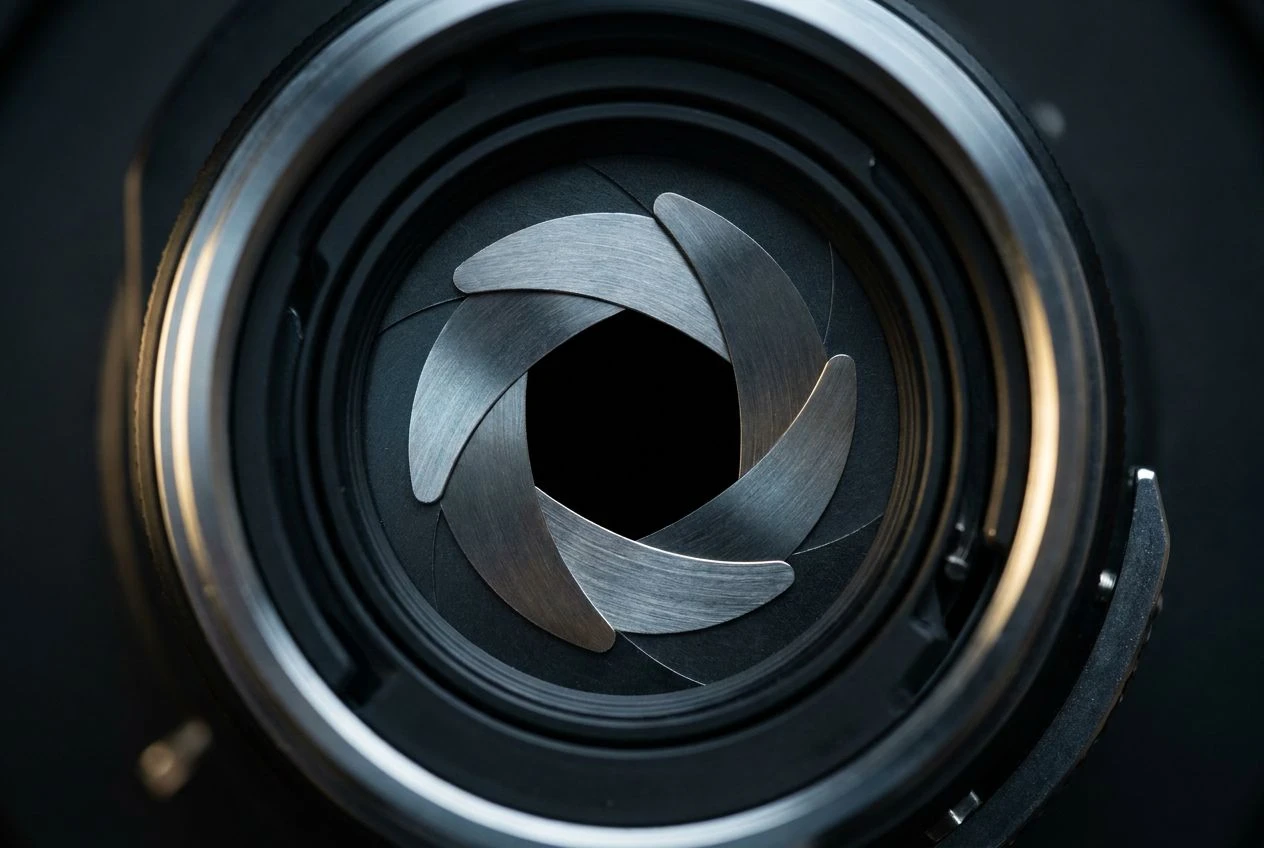
From the iPhone 14 Pro through the iPhone 17 Pro, the main camera’s aperture has been fixed at f/1.78. The lens opens fully on every shot and never adjusts; the Photonic Engine then estimates what shallower or deeper depth of field would look like. The iPhone 18 Pro is expected to change that with a physical diaphragm that opens and closes the way a lens iris does on a DSLR or mirrorless camera.
Supply chain analyst Ming-Chi Kuo first predicted the variable aperture feature in December 2024. By April 2026, South Korea’s ETNews reported that Sunny Optical, the Chinese lens component maker, had already started producing the actuators that open and close the mechanism. LG Innotek, Apple’s primary camera module partner, was preparing to begin module assembly around June or July at its Gumi facility in South Korea, per the same report. The actuator material is shape memory alloy nitinol, which deforms and recovers based on temperature changes; the tolerances required are tighter than those for autofocus or optical image stabilization.
Samsung tried something comparable with the Galaxy S9 in 2018, offering a dual-aperture system that toggled between f/1.4 and f/2.4. Results were inconsistent in testing, most Galaxy S9 users in automatic mode never engaged the feature deliberately, and Samsung dropped it entirely for the Galaxy S10 the following year. Some supply chain reports put the aperture range on the iPhone 18 Pro Max at f/1.6 to f/22, a considerably broader span than Samsung’s binary switch, though those numbers haven’t been independently confirmed.
Physical aperture produces depth-of-field falloff around hair and translucent fabric that computational bokeh algorithms get wrong often enough for photographers to notice. In bright outdoor conditions, a narrower physical setting reduces highlight blowout from the sensor side rather than through post-capture tone-mapping. One question the supply chain can’t yet answer: whether iOS 27 will give users direct control over aperture or manage it automatically. Weibo leaker Digital Chat Station noted that the iOS 27 camera app is expected to include depth-of-field controls, though whether that means a slider or a two-position switch hasn’t been confirmed by Apple.
Face ID Moves Under the Display
The Dynamic Island cutout above the iPhone’s display has been the same shape since Apple introduced it with the iPhone 14 Pro in 2022. Multiple sources, including The Information, now point to a meaningful redesign with the iPhone 18 Pro: Apple is moving the Face ID flood illuminator under the display, so the hardware that previously required above-screen space no longer does. The cutout becomes smaller, possibly narrowing to a punch-hole for the front camera alone.
Leaker Ice Universe, who has a reliable track record on display specifications, placed the narrowing at approximately 35 percent in width. The Information also reported that Apple plans to move the front camera to the top-left corner of the screen rather than keeping it centered in the island, which changes the cutout’s geometry further. A MacRumors report citing analyst Jeff Pu says all iPhone 18 models except the 18e will receive a 24-megapixel front camera, up from the 12-megapixel sensors in the iPhone 17 lineup.
- The flood illuminator moves under the display, removing the main hardware reason for the island’s current width
- The island cutout narrows by approximately 35 percent, per leaker Ice Universe
- Front camera shifts to the top-left corner of the display, per The Information
- 24-megapixel selfie camera on all iPhone 18 models except the 18e, up from 12 megapixels
- LTPO+ display panels on both Pro models, improving refresh-rate efficiency during low-motion content
MacRumors assessed more reliable leaks as pointing to a partial under-display system, meaning the cutout would remain visible but much smaller, with the illuminator hidden and the projector still requiring a narrow notch area. The fully punch-hole version, which would eliminate any visible cutout, has appeared primarily in less credible accounts.
The A20 Pro Chip’s Architecture
Apple’s A19 Pro chip, which powers the current iPhone 17 Pro, is built on TSMC’s 3-nanometer process. The A20 Pro chip expected in the iPhone 18 Pro models steps to TSMC’s 2-nanometer node, the company’s first iPhone chip manufactured at that process. A narrower node typically delivers more performance and better power efficiency within a similar physical footprint, though yield rates at a new process can add cost before it reaches retail pricing.
Beyond the node change, the chip is expected to use a new packaging technique called Wafer-Level Multi-Chip Module (WMCM), which places the RAM directly on the same wafer as the CPU, GPU, and Neural Engine rather than routing data through a separate package. Supply chain reports and analyst notes project roughly 15 percent faster CPU performance and up to 30 percent better power efficiency over the A19 Pro. All iPhone 18 models, including the standard 18 and 18e, are expected to carry 12GB of RAM.
| Specification | A19 Pro (iPhone 17 Pro) | iPhone 18 Pro Chip (expected) |
|---|---|---|
| Manufacturing process | 3nm (TSMC) | 2nm |
| Package design | InFo (off-chip memory) | WMCM (RAM on same wafer) |
| Standard model RAM | 8GB (iPhone 17) | 12GB expected (iPhone 18) |
| Est. CPU performance | Baseline | ~15% improvement |
| Est. power efficiency | Baseline | ~30% improvement |
| Custom modem | C1X (no mmWave 5G) | C2 (mmWave + NR-NTN satellite) |
The C2 modem, Apple’s third-generation in-house cellular chip, should add mmWave 5G support, which Apple’s own modems haven’t included before, and NR-NTN (New Radio Non-Terrestrial Networks) compatibility. NR-NTN is the standard enabling satellite-based 5G voice calls rather than just emergency messaging. A Weibo leaker called Fixed Focus Digital flagged direct-to-satellite connectivity as a headline 2026 feature and named the C2 as the enabling chip.
The Bigger Battery and a Heavier Pro Max
The iPhone 17 Pro Max carries a 4,823 mAh battery in the SIM card model and 5,088 mAh in the eSIM-only version. Rumors put the iPhone 18 Pro Max’s eSIM variant at 5,100 to 5,200 mAh, an increase over an already-improved baseline. Apple began prioritizing battery capacity with the iPhone 17 Pro after sustained customer feedback, and the 18 Pro Max extends in that direction.
The added capacity comes with a heavier build. Supply chain reports project the iPhone 18 Pro Max at approximately 240 to 243 grams and around 8.8 millimeters thick, slightly heavier and thicker than the current model. No confirmed figures exist for the standard Pro.
On colors, leaked dummy units shared by leaker Sonny Dickson on X show four options for the Pro models: Dark Cherry, a deep burgundy replacing the iPhone 17 Pro’s Cosmic Orange; Light Blue; Dark Gray; and Silver. An earlier rumor mentioned a coffee brown option, but it doesn’t appear in those dummy units, suggesting Apple dropped it before production decisions were finalized.
The Standard iPhone 18 and Its 2027 Wait
Details on the three models Apple is pushing to spring 2027 are thin compared to what’s leaked about the Pro lineup. The standard iPhone 18 is expected to keep a 6.3-inch display and the same general chassis as the Pro, with no major redesign planned. The iPhone 18e sits at 6.1 inches and continues the entry-level position the 17E has held since spring 2026.
One concern circulating in Weibo reports is that Apple may scale back the standard 18’s specifications to reduce production costs, potentially narrowing the performance gap between it and the 18e more than buyers might expect. Jeff Pu’s research note says the standard 18 will get 12GB of RAM, matching the Pro tier, but the note doesn’t address whether other components face similar cuts.
A second-generation iPhone Air, if it arrives alongside the standard models, is reportedly in development with an added rear camera. Apple’s first Air sold below the company’s expectations, and the current thinking is that a second camera gives the next version a stronger value argument at its $999 starting price. Apple hasn’t confirmed a final specification for any model in the delayed lineup.
Frequently Asked Questions
When Will the iPhone 18 Pro Be Released?
Apple hasn’t confirmed a date, but reports from Bloomberg and multiple other sources point to a September 2026 announcement. Apple’s fall iPhone events have landed in the first two weeks of September consistently for years. Pre-orders typically open the same week as the announcement, with shipping starting roughly one week later. The exact September date has not been announced.
What Is the Variable Aperture Camera on the iPhone 18 Pro?
The iPhone 18 Pro’s main 48-megapixel camera is expected to include a physical iris diaphragm that adjusts how wide the lens opening is, giving users control over depth of field and light intake that software simulation can’t fully replicate. Every iPhone Pro to date has used a fixed aperture that stays fully open on every shot. The mechanical iris changes that by physically narrowing or widening based on the scene, similar to how a DSLR lens works. Component production for the mechanism began in April 2026, per Korean and Chinese supply chain reports.
Will the iPhone 18 Pro Have a Smaller Dynamic Island?
Yes, according to multiple leaks and a report from The Information. Apple is moving the Face ID flood illuminator under the display, removing the main hardware driver of the cutout’s current width. The most reliable leaks place the narrowing at roughly 35 percent in width. The front camera is also reportedly moving to the top-left position on the screen, and all iPhone 18 models except the 18e are expected to get a 24-megapixel front sensor.
What Chip Does the iPhone 18 Pro Use?
The iPhone 18 Pro is expected to use the A20 Pro chip, Apple’s next-generation processor built on the most advanced chip fabrication process yet used in an iPhone, a step down from the 3-nanometer A19 Pro in the current model. Apple is also expected to use a packaging method called WMCM that places RAM on the same wafer as the CPU, GPU, and Neural Engine, reducing data travel distance and improving efficiency. Analyst estimates point to roughly a 15 percent CPU gain and up to 30 percent better power efficiency versus the current generation.
Will There Be a Standard iPhone 18 in Fall 2026?
No. Bloomberg’s reporting, corroborated by multiple other sources, says the standard iPhone 18 and iPhone 18e will not arrive until early 2027, most likely February or March. The fall 2026 event will include only the iPhone 18 Pro, iPhone 18 Pro Max, and the foldable iPhone. Apple hasn’t officially confirmed this schedule.


Sony’s 10 Percent Disc Drop Leaves the 2028 Cutoff Intact

Chip Allocation Sidelines the Base iPhone 18 This Fall

Miami-Dade Fights the Vice City Brand It Already Wears

IFA 2026 Awards Put Tecno Ahead of Flagship Phones

USB-C Gadgets Made the Junk Drawer Rechargeable

Pixel 11 Pro Asks $1,099 for a Light Google Locked

The iPhone Ultra Sells Two Retired Minis as One Foldable

Google Opens Gmail to Voice and Gates Docs Live

Lenovo Prices the IdeaPad Vibe Against Apple’s $699 Neo

Xbox Caps Game Pass Cloud Gaming at 15 Hours

Oracle Cuts 21,000 Jobs in a Year, Cites AI in 10-K Filing

Fable 5 and Mythos 5 Return as US Lifts Anthropic Export Controls

SpaceX’s Google Deal Turns a Rocket Company Into a Cloud Landlord

CD Projekt Red Co-CEO: Redemption Arc Isn’t Done, Witcher 4 in 2027

XPL Rallies 30% Ahead of Plasma One Card Tier Launch

Google Search Profiles Build a Follow Graph Inside Discover

DGO App Brings Rs 549 Mobile Pass for FIFA World Cup 2026 in Nepal

Moonshot AI Targets $30 Billion in China’s Fastest AI Funding Sprint

Oppo’s ColorOS 17 Eligibility List Leaves A-Series Buyers Behind

Microsoft Xbox Layoffs Start in July as Sharma Slams 3% Margin
-
 AI2 months ago
Oracle Cuts 21,000 Jobs in a Year, Cites AI in 10-K Filing
-
 AI2 months ago
Fable 5 and Mythos 5 Return as US Lifts Anthropic Export Controls
-
 AI3 months ago
SpaceX’s Google Deal Turns a Rocket Company Into a Cloud Landlord
-
 GAMING3 months ago
CD Projekt Red Co-CEO: Redemption Arc Isn’t Done, Witcher 4 in 2027
-
 CRYPTO3 months ago
XPL Rallies 30% Ahead of Plasma One Card Tier Launch
-
 NEWS3 months ago
Google Search Profiles Build a Follow Graph Inside Discover
-
 APPS3 months ago
DGO App Brings Rs 549 Mobile Pass for FIFA World Cup 2026 in Nepal
-
 AI3 months ago
Moonshot AI Targets $30 Billion in China’s Fastest AI Funding Sprint