
AI
Meta’s Muse Image Retreat Follows the Same Path as OpenAI’s Sora
Meta withdrew Muse Image’s photo-tagging tool three days after launch, following backlash from CAA, SAG-AFTRA and privacy groups over consent defaults.

Meta shut down the part of its new Muse Image tool that let anyone turn a stranger’s public Instagram photos into AI generated pictures, three days after it launched. The company said the feature had “missed the mark” and pulled it Friday, after actors’ unions and privacy groups accused it of turning people’s faces into raw material for AI without asking first.
The sequence is familiar. OpenAI ran through nearly the same one with Sora 2 last year: launch an opt-out tool built on other people’s likenesses, absorb a furious week of pushback, promise fixes. OpenAI’s fixes didn’t hold. Three months later, it shut the whole product down.
Tag Any Public Account, Get Their Photo
Muse Image launched on Tuesday, the first image generation model out of Meta Superintelligence Labs, the division Mark Zuckerberg placed under AI executive Alexandr Wang, organized into four teams chasing personal superintelligence. Meta pitched it as a creative partner able to turn a written idea into a finished picture, shareable straight to a chat, story or feed. It was reportedly built under the codename Mango.
One feature stood out. Inside the Meta AI app, a user could @-mention any public Instagram account and pull that person’s photos directly into a new AI creation, no upload required. Meta opted every adult’s public account in by default. Only private accounts and accounts belonging to users under 18 were automatically excluded.
Under the hood, the model doesn’t map a prompt straight to pixels. It reasons through a request before it renders anything, deciding whether it needs to search the web for a real landmark or product first. Instagram and WhatsApp alone reach more than 3 billion people worldwide, so even one new toggle launches at a global scale.
What we know:
- The tagging feature let any user reference a public Instagram account’s photos in a new AI image, and the account holder was never notified when it happened.
- Meta pulled the feature Friday, three days after launch, and called it a mistake.
- Every image the tool generated carried an invisible marker called Content Seal, meant to identify it as AI made.
What’s unconfirmed:
- Whether Meta will make Muse Video, its still unreleased video model, opt-in by default when it ships.
- The exact daily or monthly generation limits on free Muse Image use, numbers Meta has not published.
- Whether Meta will bring back some version of the tagging tool later, in a different form.
Three Days from Launch to Retreat
The tool’s public life was short enough to fit in a single list.
- Tuesday, July 7: Meta launches Muse Image across the Meta AI app, Instagram Stories and WhatsApp, letting users tag public accounts to pull in their photos.
- Wednesday, July 8: Creative Artists Agency (CAA), the Hollywood talent agency representing stars like Tom Cruise and Zendaya, calls the opt-out design a consent failure and demands Meta flip the default.
- Thursday, July 9: The Screen Actors Guild (SAG-AFTRA), the union representing film and TV performers, urges its members and “all Instagram users” to opt out, posting step by step instructions.
- Friday, July 10: Meta removes the tagging feature and admits it “missed the mark.”
Meta’s about-face read almost like an apology.
“Our intent was to provide a useful creative tool and to give people control over whether their public content could be referenced in this way,” the company said in the update. “We’ve heard the feedback that this feature missed the mark, so it’s no longer available.”
Why Did Critics Call the Feature Dangerous?
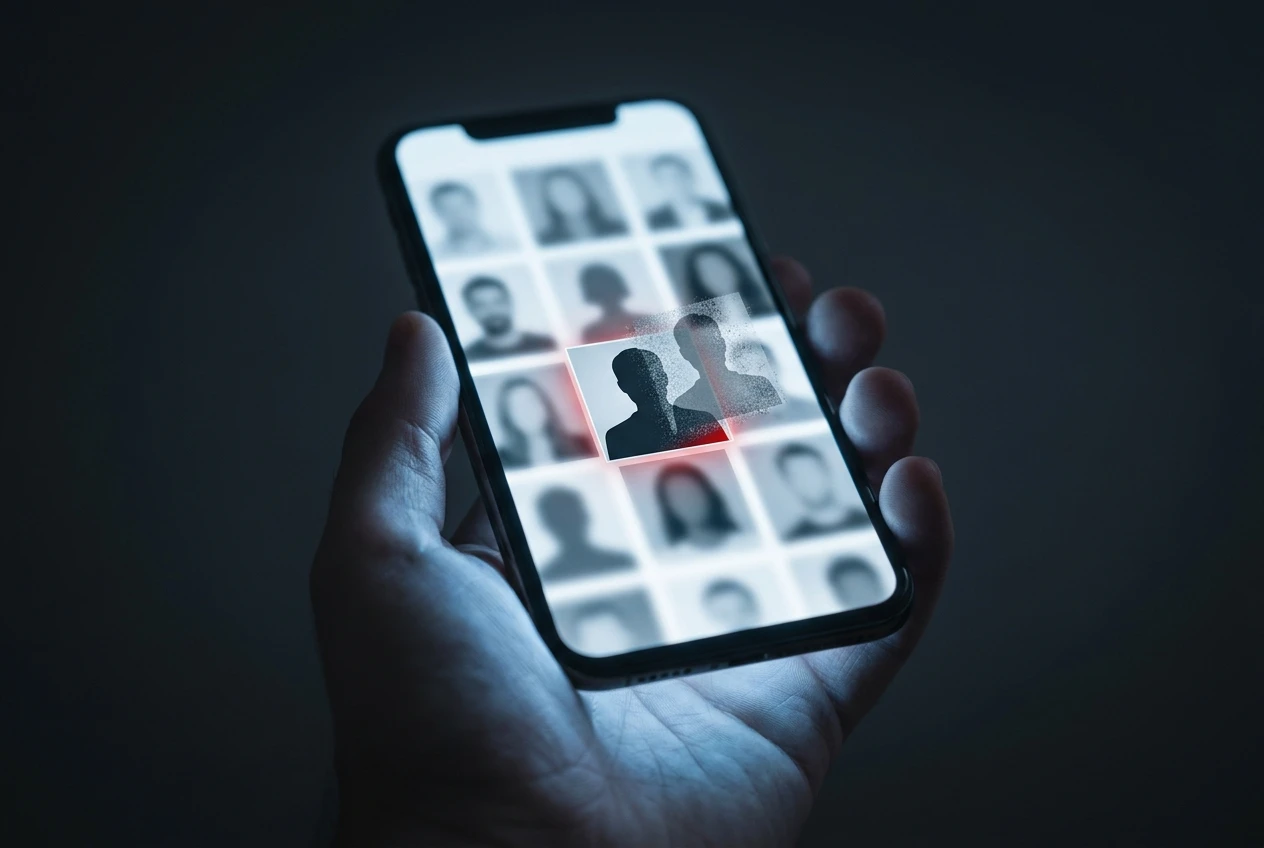
Critics said the design let anyone generate an altered image of another person without that person ever finding out, since Instagram never notified account holders when their photos were used. Privacy groups, an actors’ union and a top Hollywood talent agency all said that crossed a clear consent line.
Public Citizen, a consumer advocacy nonprofit, called the rollout an “egregious invasion” of people’s privacy. Its director of federal AI governance and technology policy put it more bluntly.
People should not wake up to discover their face has become raw material for someone else’s AI experiment.
J.B. Branch, Public Citizen’s director of federal AI governance and technology policy, said that in a statement.
Thorin Klosowski, a senior security and privacy activist at the Electronic Frontier Foundation, told The Guardian the setting “should absolutely be opt-in.” Emmy winning actor Hannah Einbinder criticized the feature on her own Instagram, saying it had switched on automatically, and urged her followers to turn it off, Reuters reported.
Meta Just Replayed OpenAI’s Sora Collapse
The shape of this fight isn’t new. Meta’s Wednesday to Friday scramble mirrors what happened when OpenAI launched Sora 2 with a similar opt-out design for copyrighted characters and celebrity likenesses.
| Detail | Meta’s Muse Image | OpenAI’s Sora 2 |
|---|---|---|
| Default setting | Public accounts opted in automatically; users had to switch tagging off | Copyrighted characters and likenesses opted in; rights holders had to opt out |
| First industry pushback | CAA statement, Wednesday, July 8 | CAA and the Motion Picture Association condemned the launch |
| Company’s first response | Defended its “strong controls and safety guardrails” | Sam Altman promised “more granular control over generation of characters” |
| Outcome | Tagging feature pulled after three days | Entire app shut down about three months later, with a $1 billion Disney deal terminated |
OpenAI’s story didn’t stop at a policy tweak. Three months after its own backlash, the company shut Sora down completely and walked away from the licensing deal that let Disney characters appear inside the app, Variety reported.
The Ad Engine Muse Image Was Built For
The backlash never touched the other half of Muse Image’s rollout. Meta said advertisers and agencies would get access to the model through Advantage+ creative “in the coming weeks,” letting brands generate on-brand ad variations automatically, without a designer touching most of them.
A Forbes analysis of the launch argued that piece of the announcement, not the claymation selfies and postcard filters, was the real point of building an in-house image model at all. Meta had spent recent years paying outside vendors like Midjourney and Black Forest Labs to power its image features. Muse Image was built to end that arrangement.
Meta didn’t pause the rest of its AI push while the privacy fight played out. The same week, it released Muse Spark 1.1 through a new public Meta Model API, a coding-focused update aimed at developers. Mark Zuckerberg used the same stretch to pitch developers on Meta’s cheapest coding model yet on X, even as the company’s other AI product dominated headlines for the opposite reason.
Muse Video Is Next, and CAA Wants Opt-In First
Meta has already confirmed a video generation model, Muse Video, is coming, without a release date attached. Whether it will launch with the same opt-out design is still an open question.
CAA isn’t waiting to find out. The agency has pushed Meta to flip Muse Image’s consent default before any video tool ships. “We call on Meta to make protection the default on Muse Image, not the exception.”, the agency said in its original statement.
Alexandr Wang signaled the company was still weighing its options even before Friday’s reversal. “We’re definitely receiving a lot of the feedback and are being thoughtful about what the next steps for that product should be,” Wang told Axios.
Meta declined to say Friday whether the tagging tool might return in a different form.
Frequently Asked Questions
How Do I Stop Meta From Reusing My Instagram Photos in AI Images?
Open Instagram, go to Settings, then Sharing and Reuse, and turn off the toggle that allows people to reuse content on Instagram and with AI features at Meta, for both posts and reels. The posts switch also covers the profile photo. Switching to a private account blocks the feature entirely, though it limits public reach for creators.
Do AI Images Already Made With My Photo Disappear If I Opt Out Now?
No. Turning off future reuse stops new AI creations from using someone’s face going forward, but images generated before the setting was changed remain available, since the tool does not automatically delete past outputs.
Will Muse Video Use the Same Opt-Out Default as Muse Image?
Meta has not said. The video model, Muse Video, is still in development with no announced release date, and CAA has already asked Meta to make consent opt-in by default before it launches.
How Does Muse Image Compare With Other AI Image Generators?
By Meta’s own internal benchmarks released at launch, Muse Image trails OpenAI’s GPT Image 2 on overall quality but beats Google’s Nano Banana 2 on single and multi-image editing tasks, according to the company.
Has Meta Faced Privacy Backlash Like This Before?
Yes. The U.S. Federal Trade Commission fined Facebook 5 billion dollars in 2019 after finding the company had misled users about how much control they had over their personal data, a case that still shapes how critics read every new Meta AI feature launch.


South Korea Retail Investors Face Reckoning After KOSPI AI Rally Collapses

Surrey AI Maps Three Heart Attack Paths and Their Molecular Roots

Germany Locks Neutral Apple ATT Prompts Across Most of Europe

Apple’s 5% EU Fee Quietly Rewrites Alternative App Store Math

Apple’s EU Fee Truce Cuts Complexity but Leaves Rivals Fuming

Pixel 11 Pro Fold Trades Thinness for Durability and Seven-Year Stay

Mayo AI Flags HCM Obstruction From Everyday Ultrasound Videos

Indian Brands Quietly Scale Landmark Screens and Home Tech

Navin Vatsa Turns Grief Into a Lifetime of Quiet Seeing

Google Bets Pixel 11 Agentic AI Will Redefine Phones

Oracle Cuts 21,000 Jobs in a Year, Cites AI in 10-K Filing

Fable 5 and Mythos 5 Return as US Lifts Anthropic Export Controls

SpaceX’s Google Deal Turns a Rocket Company Into a Cloud Landlord

CD Projekt Red Co-CEO: Redemption Arc Isn’t Done, Witcher 4 in 2027

XPL Rallies 30% Ahead of Plasma One Card Tier Launch

Google Search Profiles Build a Follow Graph Inside Discover

DGO App Brings Rs 549 Mobile Pass for FIFA World Cup 2026 in Nepal

Moonshot AI Targets $30 Billion in China’s Fastest AI Funding Sprint

Oppo’s ColorOS 17 Eligibility List Leaves A-Series Buyers Behind

Microsoft Xbox Layoffs Start in July as Sharma Slams 3% Margin
-
 AI2 months ago
Oracle Cuts 21,000 Jobs in a Year, Cites AI in 10-K Filing
-
 AI2 months ago
Fable 5 and Mythos 5 Return as US Lifts Anthropic Export Controls
-
 AI3 months ago
SpaceX’s Google Deal Turns a Rocket Company Into a Cloud Landlord
-
 GAMING2 months ago
CD Projekt Red Co-CEO: Redemption Arc Isn’t Done, Witcher 4 in 2027
-
 CRYPTO2 months ago
XPL Rallies 30% Ahead of Plasma One Card Tier Launch
-
 NEWS3 months ago
Google Search Profiles Build a Follow Graph Inside Discover
-
 APPS2 months ago
DGO App Brings Rs 549 Mobile Pass for FIFA World Cup 2026 in Nepal
-
 AI3 months ago
Moonshot AI Targets $30 Billion in China’s Fastest AI Funding Sprint