
NEWS
Apple Upgrade Leasing Hands Risk to Klarna and Keeps Devices Temporary
Apple’s new Klarna leasing program replaces the iPhone Upgrade Program with 12- to 36-month terms, soft credit checks.

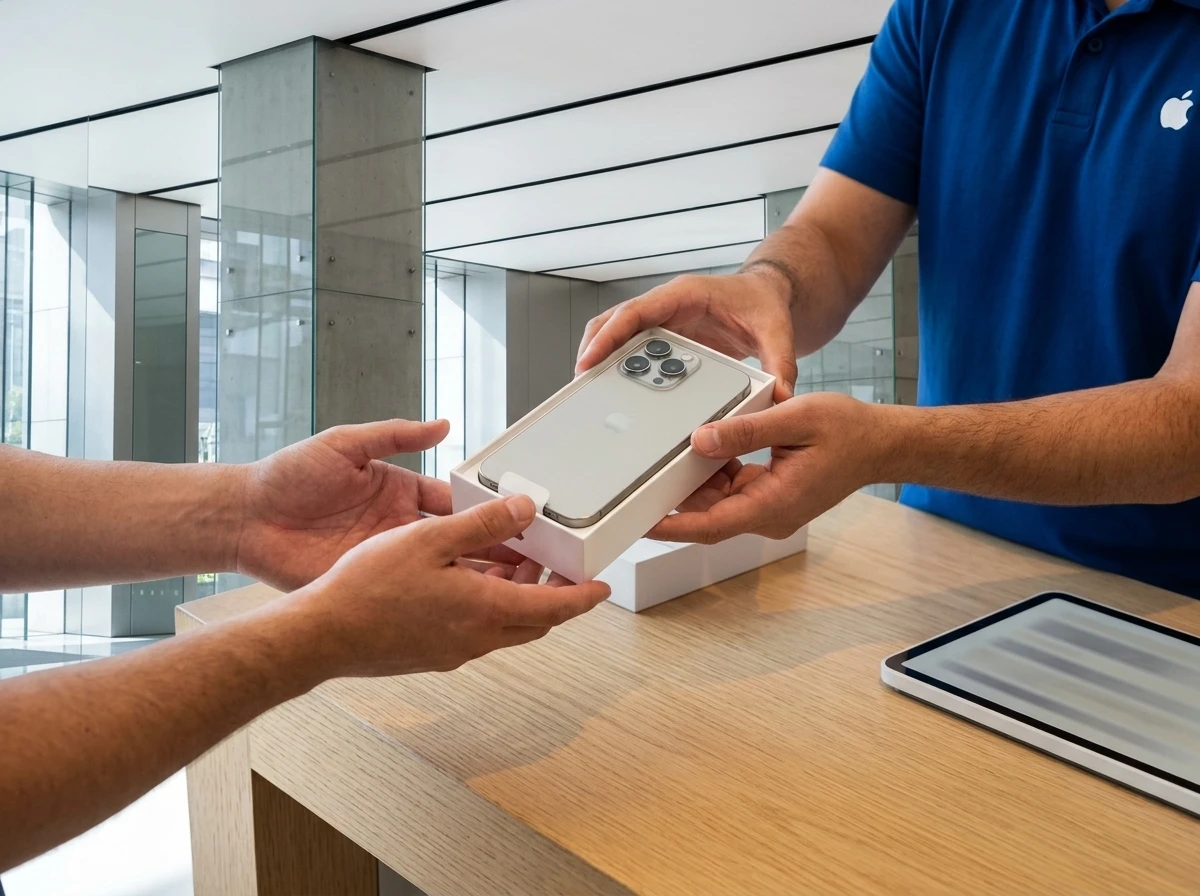
Apple opened Apple Upgrade on July 28, 2026, a Klarna-powered leasing program that lets U.S. customers take home iPhones from $17.99 a month, Apple Watches and iPads from $11.99, and Macs from $24.99. The plan replaces the old iPhone Upgrade Program and expands leasing to most current hardware.
Customers get lower monthly bills and three clean exits at term end. They do not own the device unless they write a residual check. Apple books a full sale up front. Klarna holds the paper, the credit risk, and the residual value.
What Apple and Klarna Rolled Out
The official announcement states that Apple Upgrade launches in the United States on the Apple Store online, in the Apple Store app, and at retail stores. Karen Rasmussen, Apple’s vice president of the Apple Store online, said the company is “thrilled that Apple Upgrade offers our customers, both online and in-store, a more flexible way to pay for the products they love.”
Leasing terms run 12 or 24 months for iPhone and Apple Watch. Mac and iPad leases run 24 or 36 months. AppleCare is optional and sold separately. Trade-in credit applied at enrollment can cut the monthly payment. Paying with Apple Card earns 3 percent Daily Cash on the lease payments.
Eligible lineup includes current iPhone models except the iPhone 16 series, Apple Watch Series 11 and Ultra 3 (plus Hermès editions), MacBook Air and Pro with M5 family chips, iMac, Mac Studio, iPad Pro, iPad Air, and iPad mini. Standard iPad, Apple Watch SE, Mac mini, and Studio Display stay outside the program.
- iPhone 17e leases start at $17.99 for 24 months
- iPhone 17 from $22.99, iPhone Air from $28.99, iPhone 17 Pro from $31.99
- Apple Watch Series 11 from $11.99 for 24 months; Ultra 3 from $24.99
- iPad mini from $11.99 for 36 months; iPad Air from $15.99; iPad Pro from $24.99
- MacBook Air from $24.99 for 36 months; higher for Pro, iMac, and Studio
Shoppers can lease iPhone Mac iPad or Watch after a soft credit check that does not hit their score. In-store buyers walk out the same day. Online orders ship or pick up later.
How the Monthly Numbers and Residuals Add Up
Monthly payments cover use of the device, not ownership. At the end of the initial term the customer still faces a purchase option fee equal to the original list price minus payments already made, minus remaining trade-in credits, plus tax. Forums and early calculators show a 24-month iPhone 17 Pro Max lease around the mid-$30s monthly can leave a buyout in the mid-to-high hundreds. A high-end MacBook Pro can leave roughly a thousand dollars still due after 36 months.
| Product example | Starting monthly | Typical term | End choice |
|---|---|---|---|
| iPhone 17e | $17.99 | 24 months | Upgrade, buy residual, or return |
| iPhone 17 Pro | $31.99 | 24 months | Upgrade, buy residual, or return |
| Apple Watch Series 11 | $11.99 | 24 months | Upgrade, buy residual, or return |
| iPad mini | $11.99 | 36 months | Upgrade, buy residual, or return |
| MacBook Air | $24.99 | 36 months | Upgrade, buy residual, or return |
| Mac Studio | $48.99 | 36 months | Upgrade, buy residual, or return |
If the customer does nothing after the term ends, the lease converts to month-to-month for up to six months. Payments may rise once any initial trade-in credit expires. After that window Klarna can charge the full purchase option fee. Missed payments carry consequences: Apple can restrict device functionality, and three consecutive misses can end the lease with a demand for the outstanding balance minus returned device value.
Stats snapshot
- $17.99 lowest iPhone monthly starting price
- 12-36 months available lease lengths by category
- Soft inquiry only for credit; no score impact on application
- 3% Daily Cash when the lease is paid with Apple Card
Using Apple Trade In to lower monthly payments at the start is one of the few ways to shrink the bill without changing term length. Accessories financed through the same Klarna flow stay with the customer even if the main device is returned.
Who Can Enroll and What the Process Demands
Eligibility is straightforward on paper and gated in practice. Applicants must be U.S. residents (territories excluded), age 18 or the legal age in their state, hold a valid Social Security Number or ITIN, keep an Apple Account in good standing, maintain an active Klarna account, possess a non-prepaid U.S. credit or debit card, and receive SMS verification codes.
iPhone leases require an eligible postpaid plan from AT&T, T-Mobile, or Verizon. Prepaid and most MVNOs are out. Mac, iPad, and Watch leases need no carrier. Devices ship only to U.S. addresses or pick up at U.S. Apple Stores. Special store programs (education, government, employee, veterans) are excluded.
- Soft credit check via Klarna; approval is not guaranteed
- In-store customers can leave with the device immediately after approval
- Online customers choose delivery or pickup after the same quick application
- Personal Setup and Today at Apple sessions remain available
Klarna manages the ongoing billing relationship inside its own app. Apple handles product selection, setup, and the physical return logistics.
Three Exits and the Cost of Leaving Early
At the scheduled end of the lease the customer faces three options. Upgrade by starting a new lease and returning the current device in good working condition. Buy the device with a one-time residual payment. Or return the device and walk away.
Early upgrade or early exit is possible but expensive. Closing a lease before term requires paying an early termination fee equal to all remaining unpaid monthly payments plus taxes, fees, and any damage assessment. The customer must then return the device within 14 days. Once the old lease is closed, a fresh application is required for the next device.
Return condition is non-negotiable. Devices must work and show normal wear. Without AppleCare, Klarna charges a one-time damage fee for anything beyond that. With AppleCare the customer may still face a service fee after assessment. The prepaid return kit or an Apple Store drop-off both work. Customers have 14 days after receiving a new upgrade unit to send the old one back or they keep paying on both leases.
Detailed return rules and early upgrade fees live on Apple’s how-to pages. The structure rewards staying inside the cycle and penalizes abrupt exits.
Apple Books the Sale, Klarna Carries the Risk
The second-order move is the balance-sheet split. Apple receives payment for the hardware immediately. Klarna finances the consumer, carries the receivable at fair value, and keeps the option to sell the paper into offloading programs. Klarna’s investor note states that Klarna finances the consumer purchase and expects the program to contribute positively to adjusted operating income in 2026 and beyond.
Klarna recently completed a $518 million Significant Risk Transfer supporting further lending capacity. That infrastructure now absorbs Apple’s U.S. hardware leasing volume. Residual values on returned devices become Klarna’s problem or opportunity. Condition fees, late payments, and depreciation sit on Klarna’s side. Apple keeps the upgrade cadence, the ecosystem lock-in, and a cleaner revenue recognition path.
Consumers who once bought outright or used the old 0 percent 24-month iPhone Upgrade Program now face a lease that never automatically transfers title. Frequent upgraders who returned phones yearly under the old rules lose the free annual path; 12-month terms still exist but early exits carry full remaining-payment costs. Owners who keep devices four or five years may pay more in residual plus months of payments than a simple purchase or Apple Card Monthly Installments.
Hardware costs already face pressure from memory and component markets. That same pressure shows up in recent MacBook price pressure from chips, making lower monthly leases more attractive even as total lifetime cost stays high for keepers.
At Apple, we put the customer at the center of everything we do, and we’re thrilled that Apple Upgrade offers our customers, both online and in-store, a more flexible way to pay for the products they love.
Karen Rasmussen said that on launch day. Flexibility is real. So is the transfer of residual and credit exposure.
How the Old iPhone Upgrade Program Compared
The prior iPhone Upgrade Program was 24-month 0 percent financing that included AppleCare+ in many configurations and led to ownership after the final payment if the customer stayed the course. Annual upgrades were built in after roughly half the term with a return. Apple and carriers shared more of the structure.
Apple Upgrade drops bundled AppleCare, expands the catalog to Mac and iPad, shortens some terms to 12 months, lengthens others to 36, and inserts Klarna as the lessor. Title stays with Klarna until residual payment. The soft credit check lowers the application friction. The damage and early-exit math raises the friction of leaving. Existing IUP customers can migrate when eligible by choosing a new lease, Apple Card installments, outright purchase, or carrier financing.
Carrier postpaid plans remain mandatory for iPhones. That keeps the big three networks inside the funnel even as the financing partner changes.
What Changes for Shoppers Who Stay or Leave
Shoppers who upgrade every one or two years and keep devices in excellent condition gain lower monthly cash flow and a cleaner hand-off process. They lose automatic ownership and free AppleCare. They gain Klarna app visibility into billing and the ability to stack multiple leased devices.
Shoppers who keep hardware longer face a residual bill that can erase the monthly savings. Damage without AppleCare becomes a cash event at return. Early termination is effectively a balloon of remaining payments. Credit-sensitive applicants still face denial even with a soft pull.
Apple gains a faster replacement cycle without carrying consumer credit. Klarna gains high-volume U.S. hardware paper and a direct consumer relationship. The secondary market for returned units becomes a Klarna residual game. Competitors watching the model now have a clearer template for hardware-as-a-service without owning the balance-sheet risk.
The program is live only in the United States for now. Terms, eligible SKUs, and residual formulas can evolve, but the core split of sale versus risk is already set.
Frequently Asked Questions
Does applying for Apple Upgrade affect my credit score?
No. Klarna runs a soft credit inquiry that does not impact credit scores. Approval is still required and is not guaranteed for every applicant.
Do I own the device after making all the lease payments?
No. Ownership transfers only if you pay the purchase option fee (list price minus payments already made and remaining credits). Otherwise you must return the device or start a new lease.
Is AppleCare included in the monthly lease payment?
No. AppleCare is sold separately. Adding it makes returns cleaner because damage assessments often fall under the plan’s service fees rather than a full Klarna damage charge.
Which carriers work with an iPhone lease?
Only eligible postpaid plans from AT&T, T-Mobile, or Verizon. Prepaid plans and most MVNOs are not accepted for iPhone leases. Mac, iPad, and Watch leases need no carrier.
Can I upgrade before the lease term ends?
Yes, by paying an early termination fee equal to all remaining unpaid monthly payments plus taxes, fees, and any damage charge, then returning the current device and starting a new lease application.


South Korea Retail Investors Face Reckoning After KOSPI AI Rally Collapses

Surrey AI Maps Three Heart Attack Paths and Their Molecular Roots

Germany Locks Neutral Apple ATT Prompts Across Most of Europe

Apple’s 5% EU Fee Quietly Rewrites Alternative App Store Math

Apple’s EU Fee Truce Cuts Complexity but Leaves Rivals Fuming

Pixel 11 Pro Fold Trades Thinness for Durability and Seven-Year Stay

Mayo AI Flags HCM Obstruction From Everyday Ultrasound Videos

Indian Brands Quietly Scale Landmark Screens and Home Tech

Navin Vatsa Turns Grief Into a Lifetime of Quiet Seeing

Google Bets Pixel 11 Agentic AI Will Redefine Phones

Oracle Cuts 21,000 Jobs in a Year, Cites AI in 10-K Filing

Fable 5 and Mythos 5 Return as US Lifts Anthropic Export Controls

SpaceX’s Google Deal Turns a Rocket Company Into a Cloud Landlord

CD Projekt Red Co-CEO: Redemption Arc Isn’t Done, Witcher 4 in 2027

XPL Rallies 30% Ahead of Plasma One Card Tier Launch

Google Search Profiles Build a Follow Graph Inside Discover

DGO App Brings Rs 549 Mobile Pass for FIFA World Cup 2026 in Nepal

Moonshot AI Targets $30 Billion in China’s Fastest AI Funding Sprint

Oppo’s ColorOS 17 Eligibility List Leaves A-Series Buyers Behind

Microsoft Xbox Layoffs Start in July as Sharma Slams 3% Margin
-
 AI2 months ago
Oracle Cuts 21,000 Jobs in a Year, Cites AI in 10-K Filing
-
 AI2 months ago
Fable 5 and Mythos 5 Return as US Lifts Anthropic Export Controls
-
 AI2 months ago
SpaceX’s Google Deal Turns a Rocket Company Into a Cloud Landlord
-
 GAMING2 months ago
CD Projekt Red Co-CEO: Redemption Arc Isn’t Done, Witcher 4 in 2027
-
 CRYPTO2 months ago
XPL Rallies 30% Ahead of Plasma One Card Tier Launch
-
 NEWS2 months ago
Google Search Profiles Build a Follow Graph Inside Discover
-
 APPS2 months ago
DGO App Brings Rs 549 Mobile Pass for FIFA World Cup 2026 in Nepal
-
 AI2 months ago
Moonshot AI Targets $30 Billion in China’s Fastest AI Funding Sprint