
NEWS
iOS 26.5 Downgrade Lock Puts Security Ahead of Choice

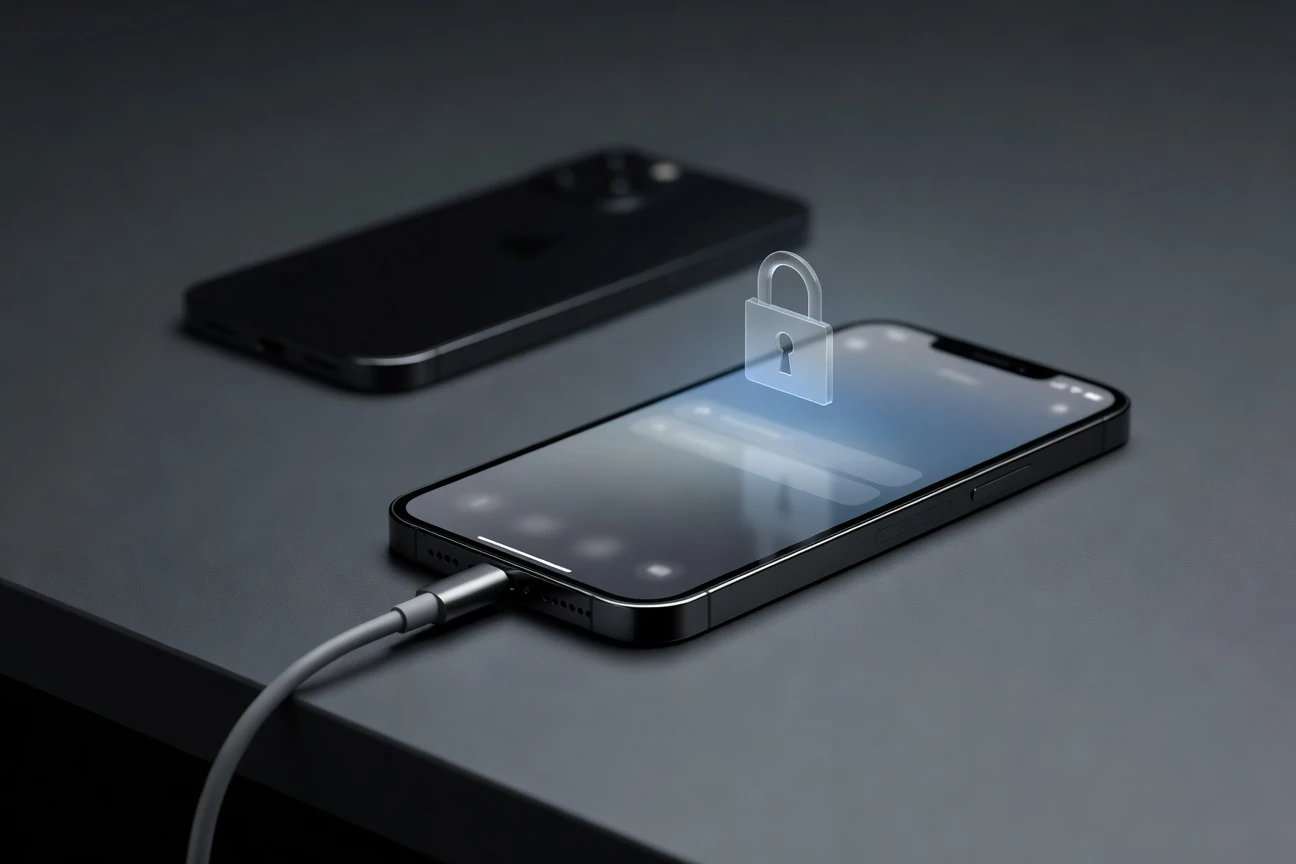
iOS 26.5 downgrade attempts are now blocked because Apple stopped signing iOS 26.4.2, the previous public iPhone build. That means an iPhone running the current release cannot be restored to that older software through Finder, Apple Devices, or iTunes, even if a user still has the installer file.
The cutoff matters because iOS 26.5 arrived at the end of Apple’s annual software cycle, just weeks before WWDC26. Apple Inc., the iPhone maker, has turned a routine signing change into a forced stay on the build that carries its new security fixes, beta encrypted RCS messaging and late-cycle developer plumbing.
The Signature Check Behind the Closed Door
Apple’s downgrade block turns on a quiet server-side step. When an iPhone is restored through a computer, the device asks Apple whether the software build can still be installed. If the build is no longer signed, the restore fails before the old system can take over.
Apple Support, the company’s public help site, tells users that a computer restore erases the device and installs the latest iOS or iPadOS software in Apple’s computer restore guidance. That support language is why saving an older installer file no longer gives an owner a practical escape route once signing ends.
For iPhone owners, the practical line is narrow:
- Stay on iOS 26.5 if the phone has already been updated.
- Install iOS 26.5 if the device still shows it in Software Update.
- Restore from a backup only onto the same or a newer compatible build, because a backup does not force a phone back to an unsigned release.
That leaves advanced users, repair shops and cautious updaters with no clean rollback path if an app, accessory or workflow behaves worse after the move.
The One-Build Window Apple Now Expects Users to Accept
The timing is tight. Apple Developer, the company’s portal for software makers, lists iOS 26.5 and iPadOS 26.5 build 23F77 as May 11 releases, while iOS 26.4.2 and iPadOS 26.4.2 build 23E261 landed on April 22 in the same Apple software release listing.
| Software Line | Release Date | Role in the Cycle | User Impact Now |
|---|---|---|---|
| iOS 26.4.2 and iPadOS 26.4.2 | April 22, 2026 | Security-focused patch with a Notification Services fix | Closed as a downgrade target after signing ended |
| iOS 26.5 and iPadOS 26.5 | May 11, 2026 | Current public line with broader security content and RCS encryption beta | Default path for supported iPhone and iPad models |
| iOS 18.7.9, iOS 16.7.16 and iOS 15.8.8 | May 11, 2026 | Separate update tracks listed for older software lines | Not a rollback option from iOS 26.5 on newer devices |
The table shows the central point. Apple is still shipping security releases across older tracks where they apply, but the iOS 26 branch has narrowed to one public landing place for current users.
Security Fixes Drive the Timing
The old build was itself a security patch. Apple’s iOS 26.4.2 security note says the April release addressed a Notification Services issue where notifications marked for deletion could be unexpectedly retained on the device. Apple assigned it Common Vulnerabilities and Exposures (CVE, the public identifier system for security flaws) ID CVE-2026-28950.
The newer build widens the patch set. Apple’s iOS 26.5 security content applies to iPhone 11 and later, plus several iPad lines, and lists fixes across components including Accelerate, Accounts, Bluetooth, Camera, Siri, Software Update and StoreKit.
- April 22: Apple released iOS 26.4.2 with the Notification Services security fix.
- May 11: Apple released iOS 26.5 build 23F77 for supported devices.
- CVE-2026-28950: The public identifier attached to the older notification retention flaw.
- June 8: Apple’s Worldwide Developers Conference keynote opens the next platform cycle.
From Apple’s side, keeping the old door open would mean accepting a longer tail of devices on a superseded patch level. From the user’s side, the same move can feel blunt when the update that fixes one problem creates another.
RCS Encryption Gives iOS 26.5 a Privacy Hook
The most visible reason to stay on iOS 26.5 is messaging. Rich Communication Services (RCS, the carrier messaging standard that adds higher quality media, read receipts, typing indicators and newer security options) began getting end-to-end encryption in beta for iPhone users running iOS 26.5 with supported carriers, Apple said in its encrypted RCS rollout note.
Google LLC, the Android maker, is the other named platform partner here because the beta also depends on Android users running the latest Google Messages. That makes the iOS signing cutoff more than a bug-fix chore. It pushes current iPhone users toward the build Apple needs for cross-platform encrypted green-bubble chats.
Apple’s own Messages support page adds the catch. RCS messages can be end-to-end encrypted only when all participants and carriers support it, and Apple says a conversation shows an encrypted label and lock icon when the protection is active in its iMessage, RCS and SMS guide. Short Message Service (SMS, basic carrier text messaging) and Multimedia Messaging Service (MMS, carrier media messaging) remain unencrypted fallbacks.
- The iPhone must be running iOS 26.5.
- The user’s carrier must support encrypted RCS.
- The other participant’s carrier and messaging app must support the same protection.
That carrier-by-carrier dependency is why many users will see uneven results. Oton Technology’s earlier report on encrypted RCS and Maps changes in iOS 26.5 flagged the same split between headline feature and day-one availability.
Developers Lose a Late-Cycle Escape Hatch
The signing cutoff also changes the risk calculus for developers. If a late-cycle iOS update breaks an app’s edge case, a developer can no longer tell a test user to roll back to iOS 26.4.2 while a fix is prepared. The test matrix moves forward, whether the developer is ready or not.
That matters because iOS 26.5 is not only a consumer patch. Apple Developer release notes for iOS and iPadOS 26.5 list Software Update changes around dynamically reserving update space, plus StoreKit changes for purchase and subscription flows. StoreKit is Apple’s framework for in-app purchases and subscriptions, so even small behavior changes can reach paywalls, trials and billing recovery screens.
Accessory makers face a similar squeeze. A Bluetooth key, controller, car system or assistive device that behaved better on the previous build now has to be fixed for the current build. For mainstream users, that policy reduces fragmentation. For anyone debugging hardware, it removes the fastest comparison point.
Apple has made this trade for years because it wants more users on fixed code. The difference in this case is timing. With WWDC26 close, the company is clearing the last public branch before it asks developers to start testing the next one.
WWDC26 Leaves Little Room for a Reversal
The calendar now does much of the work. Apple’s Worldwide Developers Conference (WWDC, the company’s annual developer event) runs June 8-12, with the keynote and Platforms State of the Union set for June 8, according to Apple’s WWDC26 announcement. Apple says the conference will focus on platform updates, artificial intelligence (AI) advancements and new software tools.
That means iOS 26.5 is likely to serve as the last stable reference point before iOS 27 enters the public conversation. If Apple uses WWDC to widen user choice around assistants and models, a possibility Oton Technology covered in its report on third-party AI model choices for iOS 27, the signing policy will decide how quickly those choices replace the old baseline.
For now, iPhone owners who updated have a simple answer and a harder lesson. The answer is that iOS 26.4.2 is closed. The lesson is that Apple’s upgrade button is a one-way switch whenever the signing window shuts.


South Korea Retail Investors Face Reckoning After KOSPI AI Rally Collapses

Surrey AI Maps Three Heart Attack Paths and Their Molecular Roots

Germany Locks Neutral Apple ATT Prompts Across Most of Europe

Apple’s 5% EU Fee Quietly Rewrites Alternative App Store Math

Apple’s EU Fee Truce Cuts Complexity but Leaves Rivals Fuming

Pixel 11 Pro Fold Trades Thinness for Durability and Seven-Year Stay

Mayo AI Flags HCM Obstruction From Everyday Ultrasound Videos

Indian Brands Quietly Scale Landmark Screens and Home Tech

Navin Vatsa Turns Grief Into a Lifetime of Quiet Seeing

Google Bets Pixel 11 Agentic AI Will Redefine Phones

Oracle Cuts 21,000 Jobs in a Year, Cites AI in 10-K Filing

Fable 5 and Mythos 5 Return as US Lifts Anthropic Export Controls

SpaceX’s Google Deal Turns a Rocket Company Into a Cloud Landlord

CD Projekt Red Co-CEO: Redemption Arc Isn’t Done, Witcher 4 in 2027

XPL Rallies 30% Ahead of Plasma One Card Tier Launch

Google Search Profiles Build a Follow Graph Inside Discover

DGO App Brings Rs 549 Mobile Pass for FIFA World Cup 2026 in Nepal

Moonshot AI Targets $30 Billion in China’s Fastest AI Funding Sprint

Oppo’s ColorOS 17 Eligibility List Leaves A-Series Buyers Behind

Microsoft Xbox Layoffs Start in July as Sharma Slams 3% Margin
-
 AI2 months ago
Oracle Cuts 21,000 Jobs in a Year, Cites AI in 10-K Filing
-
 AI2 months ago
Fable 5 and Mythos 5 Return as US Lifts Anthropic Export Controls
-
 AI2 months ago
SpaceX’s Google Deal Turns a Rocket Company Into a Cloud Landlord
-
 GAMING2 months ago
CD Projekt Red Co-CEO: Redemption Arc Isn’t Done, Witcher 4 in 2027
-
 CRYPTO2 months ago
XPL Rallies 30% Ahead of Plasma One Card Tier Launch
-
 NEWS2 months ago
Google Search Profiles Build a Follow Graph Inside Discover
-
 APPS2 months ago
DGO App Brings Rs 549 Mobile Pass for FIFA World Cup 2026 in Nepal
-
 AI2 months ago
Moonshot AI Targets $30 Billion in China’s Fastest AI Funding Sprint