
NEWS
iPhone 17 Price Hike Rumor Tests Apple’s Memory Squeeze Play
Weibo leaker Fixed Focus Digital flags an iPhone 17 price increase on August 10 after Mac and iPad hikes, extending the AI chip cost pressure into phones.

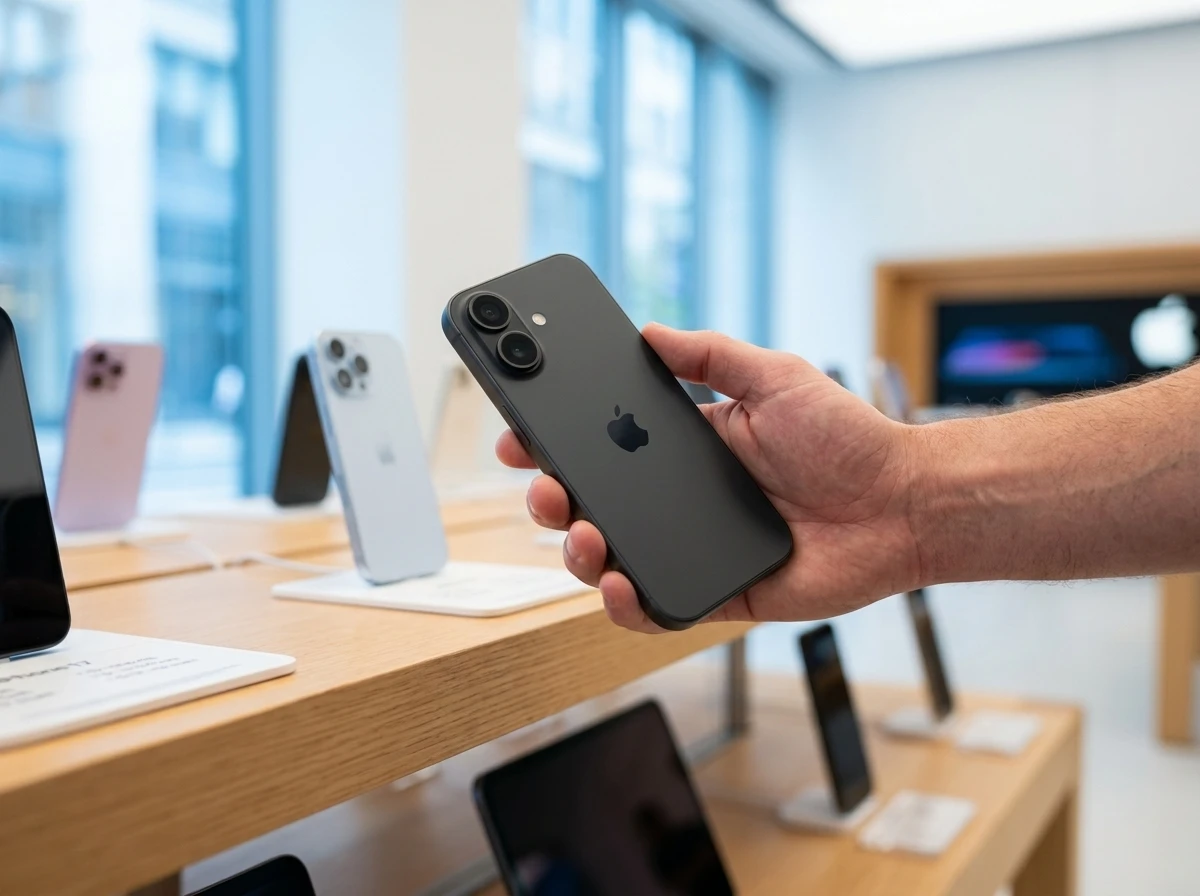
A Weibo leaker with a solid track record says Apple may raise iPhone 17 prices on Monday, August 10. The current iPhone 17 starting at $799 has held steady since launch even as Macs and iPads jumped this summer.
Most shoppers still expect any phone increases to land with the iPhone 18 series next month. This rumor flips that timeline.
The gap between expectation and the claim is what gives the post its edge. Buyers have treated the September keynote as the natural moment for sticker changes. An August move would break that habit before the new generation even appears.
The Monday Claim From a Connected Leaker
Fixed Focus Digital posted on Weibo that rumors are circulating about an iPhone 17 price rise on August 10. 9to5Mac first amplified the post in English. The leaker did not name a specific dollar amount or which storage tiers would move.
rumors are circulating that the iPhone 17 will increase in price on August 10
That is the full substance of the claim, according to the English write-ups. Fixed Focus Digital has delivered accurate Apple supply-chain tips before, which is why the post drew attention even without an official confirmation.
Apple has said nothing. U.S. store pages still list the same prices they have carried for months.
The absence of a dollar figure leaves the market filling blanks. Track record alone carried the post into wider English coverage. Without a named tier or a confirmed amount, the claim functions as a date alert rather than a full price sheet.
Silence from Apple is consistent with past practice. The company rarely previews mid-cycle list changes. Store pages that still show the launch prices therefore prove nothing either way until Monday passes.
Phones Escaped the June Wave
In late June Apple lifted prices across Macs, iPads and several home devices. It blamed an AI-driven surge in demand for memory and storage chips. iPhones, Apple Watch and AirPods stayed untouched at the time.
- MacBook Neo: rose from $599 to $699
- 13-inch MacBook Air: rose from $1,099 to $1,299
- 11-inch iPad Air: rose from $599 to $749
- 11-inch iPad Pro: rose from $999 to $1,199
Apple’s own statement called the component spike unprecedented. “We have never seen a component price increase this much, this quickly,” the company said. CEO Tim Cook had warned a week earlier that shielding customers had become unsustainable.
The decision to spare phones looked deliberate. The iPhone remains Apple’s highest-volume product and the one most sensitive to sticker shock. Keeping the lineup stable through summer also protected carrier promotions and back-to-school traffic.
That pause may now be ending. If the rumor holds, the same memory squeeze that hit the MacBook and iPad hikes tied to memory chips is simply arriving later for phones.
Volume explains the sequence. Macs and iPads absorb less total DRAM and NAND than the iPhone line. Hitting them first limited the early revenue hit while Apple tested how shoppers would react. Phones, once shielded, become the larger remaining exposure once the component pressure refuses to ease.
Watch and AirPods shared the same temporary protection. Their smaller memory footprints made them easier to hold steady. The iPhone’s scale makes any later adjustment more visible and more consequential for both Apple and its carriers.
Japan Already Raised the Bar
Apple has already moved iPhone prices in at least one major market. In mid-July the company lifted Japanese pricing by roughly 8 to 10 percent, citing the weak yen.
| Model | Prior Japan Price | New Japan Price | Approx. Change |
|---|---|---|---|
| iPhone 17 (entry) | ¥129,800 | ¥142,800 | +10% |
| iPhone 17 Pro | ¥179,800 | ¥194,800 | +8.3% |
| iPhone 17 Pro Max | ¥194,800 | ¥214,800 | +10.3% |
U.S. list prices stayed flat. The Japan move shows Apple is willing to adjust existing iPhone MSRPs when currency or costs demand it. A broader adjustment would not be the first mid-cycle change of the year, only the first in dollars.
Historical U.S. mid-cycle iPhone MSRP increases are almost nonexistent. The original 2007 iPhone famously dropped in price two months after launch, prompting Steve Jobs to offer partial rebates. Stability has been the default ever since. That history is exactly why the August 10 date feels abrupt.
Currency gave Japan a clean public rationale. A U.S. move would rest on the component story already used for Macs and iPads. The mechanism differs, yet the outcome looks similar: existing models cost more before the next generation arrives.
Shoppers who track global list prices already saw the Japan shift as a signal. Once one major market moves, the question becomes which market follows and on what justification. The Weibo date supplies a possible answer for the dollar price list.
Who Feels the Squeeze First
If prices rise Monday, several groups take the hit or the gain immediately.
- Shoppers who planned a late-summer upgrade lose the current floor and may face $50 to $100 more, depending on the model and unconfirmed circulating figures.
- Carriers that locked in promotional pricing for the quarter must renegotiate or absorb the difference.
- Refurb and trade-in markets see residual values shift overnight as new units become more expensive.
- Memory suppliers already enjoying elevated contract prices keep the upside that forced Apple’s hand in June.
X posts have filled the amount vacuum with market-specific guesses. One widely shared claim floated a $74 global lift, ¥500 in China and roughly ₹10,000 in India. Those numbers remain unverified speculation. They do show how quickly buyers translate a vague rumor into local math, especially in markets already seeing earlier India iPhone 17 price pressure from duties and supply.
Apple’s June Apple statement on unprecedented component costs left little doubt the pressure is real. Analysts such as IDC’s Nabila Popal warned that once phones move, the increases could exceed the old $50 habit and reach $200 on Pro models by the next launch cycle.
Unlocked buyers feel list changes first because they lack carrier credits to offset them. Carrier customers may see the same MSRP rise cushioned by promotions that get refreshed in response. That split makes the headline increase an incomplete guide to out-of-pocket cost.
Trade-in desks and refurb sellers reprice against the new floor. Higher new-unit tags tend to lift residual values, which can ease the net cost of an upgrade even as the sticker climbs. The direction of that offset depends on how fast carriers and secondary markets adjust.
The Real Pressure Point Is September
A quick iPhone 17 bump does more than capture a few extra weeks of margin. It resets the reference price that shoppers use when the iPhone 18 arrives.
If the base 17 jumps from $799 to $849 or $899, an iPhone 18 that opens at $899 or $949 looks like a normal step rather than a leap. The same math applies higher up the stack. Apple can then frame the new generation as holding the line even while absolute dollars climb.
Keeping current models on sale through December is standard. Raising their prices now lets Apple collect more revenue on every remaining unit without waiting for the September keynote. It also reduces the inventory risk of deep discounts later in the year.
Demand elasticity is the open question. iPhone buyers have absorbed higher Pro prices for years. Whether the volume base model can take another hit mid-cycle is less tested. Strong carrier trade-in credits and financing can blunt the pain, but pure unlocked buyers will notice first.
Reference pricing works because most shoppers compare the new phone with the one already on the shelf. A higher shelf price shrinks the perceived jump. That framing matters more at the base tier, where volume is highest and price sensitivity is sharpest.
Margin on residual 17 inventory adds a second motive. Every unit sold between an August change and the December clearance window would carry a higher list. Apple does not need to wait for new silicon to improve the average selling price on the current generation.
The Calendar Compresses Around Memory Costs
The path from the June Mac and iPad increases to a possible August iPhone move follows a clear sequence already visible in public actions and the current rumor.
- Late June: Apple raises Mac and iPad prices and cites an unprecedented AI-driven spike in memory and storage component costs.
- Mid-July: Japan iPhone pricing rises roughly 8 to 10 percent on the weak yen, proving mid-cycle MSRP changes are already in use.
- August 10: The Fixed Focus Digital claim points to a U.S. iPhone 17 increase, extending the same cost pressure to phones.
- September: The iPhone 18 series arrives, and any new 17 floor becomes the reference shoppers use to judge the next starting price.
- Through December: Current models typically remain on sale, so an earlier list change captures more revenue on remaining units.
Each step rests on facts already in view. The component statement, the Japan table, the Weibo date, and the standard sell-through window line up without requiring new claims. The calendar simply tightens once phones join the products already adjusted.
Memory suppliers sit on the other side of that timeline. Elevated contract prices that began forcing Apple’s hand in June continue to set the floor under every device that uses high volumes of DRAM and NAND. Phones were the last major holdout.
Carrier Credits Decide the Real Outlay
List price is only the starting number for most iPhone buyers. Carriers that locked in promotional pricing for the quarter face an immediate choice if Monday brings a change: renegotiate the terms or absorb the difference while offers stay live.
Trade-in credits and financing terms can erase a $50 or $100 list increase for customers who qualify. A shopper who sees a higher MSRP but also a richer carrier credit may still pay less cash at the counter. Unlocked buyers without those offsets meet the full sticker first.
That split shapes who complains loudest. Pure retail purchasers notice the floor moving under them. Carrier customers notice only if the promotions fail to keep pace. Watching those offers over the next 72 hours therefore matters more than the rumor headline alone.
Refurb and trade-in markets move in parallel. When new units cost more, residual values on recent models often firm up. That secondary lift can further cushion an upgrade even as the primary list price climbs. The net effect depends on how fast those desks reprice after any official change.
What Buyers Can Still Control This Weekend
Nothing is confirmed. Apple could leave U.S. prices alone and only adjust other regions. It could raise only Pro models or only higher storage tiers. It could wait until September after all.
Anyone who needs a new phone in the next few months and likes the current 17 lineup has a short window of certainty. Current Apple.com pricing, carrier deals and third-party stock remain at the old levels through at least the weekend. After Monday the picture may change without warning.
Trade-in values and financing terms matter as much as the sticker. A $50 or $100 list increase can still net lower out-of-pocket cost if a carrier sweetens the offer. Watching those promotions will tell more than the rumor itself over the next 72 hours.
The larger pattern is already visible. Apple shielded phones as long as it could. The AI memory boom eventually reaches every product that uses high volumes of DRAM and NAND. A Monday price change would simply complete the circle that began with Macs and iPads in June.
Shoppers who act before Monday keep the known floor. Shoppers who wait trade certainty for the chance that Apple holds steady or limits any increase to higher tiers. Both paths are rational once the rumor has set the clock.
Either outcome leaves the broader cost story intact. Component pressure already reshaped Mac and iPad pricing and moved iPhone tags in Japan. The only open variable is whether U.S. phone prices join that list this week or wait for the next cycle.


South Korea Retail Investors Face Reckoning After KOSPI AI Rally Collapses

Surrey AI Maps Three Heart Attack Paths and Their Molecular Roots

Germany Locks Neutral Apple ATT Prompts Across Most of Europe

Apple’s 5% EU Fee Quietly Rewrites Alternative App Store Math

Apple’s EU Fee Truce Cuts Complexity but Leaves Rivals Fuming

Pixel 11 Pro Fold Trades Thinness for Durability and Seven-Year Stay

Mayo AI Flags HCM Obstruction From Everyday Ultrasound Videos

Indian Brands Quietly Scale Landmark Screens and Home Tech

Navin Vatsa Turns Grief Into a Lifetime of Quiet Seeing

Google Bets Pixel 11 Agentic AI Will Redefine Phones

Oracle Cuts 21,000 Jobs in a Year, Cites AI in 10-K Filing

Fable 5 and Mythos 5 Return as US Lifts Anthropic Export Controls

SpaceX’s Google Deal Turns a Rocket Company Into a Cloud Landlord

CD Projekt Red Co-CEO: Redemption Arc Isn’t Done, Witcher 4 in 2027

XPL Rallies 30% Ahead of Plasma One Card Tier Launch

Google Search Profiles Build a Follow Graph Inside Discover

DGO App Brings Rs 549 Mobile Pass for FIFA World Cup 2026 in Nepal

Moonshot AI Targets $30 Billion in China’s Fastest AI Funding Sprint

Oppo’s ColorOS 17 Eligibility List Leaves A-Series Buyers Behind

Microsoft Xbox Layoffs Start in July as Sharma Slams 3% Margin
-
 AI2 months ago
Oracle Cuts 21,000 Jobs in a Year, Cites AI in 10-K Filing
-
 AI2 months ago
Fable 5 and Mythos 5 Return as US Lifts Anthropic Export Controls
-
 AI3 months ago
SpaceX’s Google Deal Turns a Rocket Company Into a Cloud Landlord
-
 GAMING2 months ago
CD Projekt Red Co-CEO: Redemption Arc Isn’t Done, Witcher 4 in 2027
-
 CRYPTO3 months ago
XPL Rallies 30% Ahead of Plasma One Card Tier Launch
-
 NEWS3 months ago
Google Search Profiles Build a Follow Graph Inside Discover
-
 APPS3 months ago
DGO App Brings Rs 549 Mobile Pass for FIFA World Cup 2026 in Nepal
-
 AI3 months ago
Moonshot AI Targets $30 Billion in China’s Fastest AI Funding Sprint